Signal is now imposing restrictions on screenshots within its mobile apps, citing concerns that operating systems with built-in AI agents pose an “existential threat” to user privacy. The company, led by President Meredith Whittaker, argues that when systems like Windows, Android, or iOS integrate AI that can inspect screen contents, they erode Signal’s ability to wholly protect what users share in conversations.
Why Signal Sees Screenshots as a Weakness
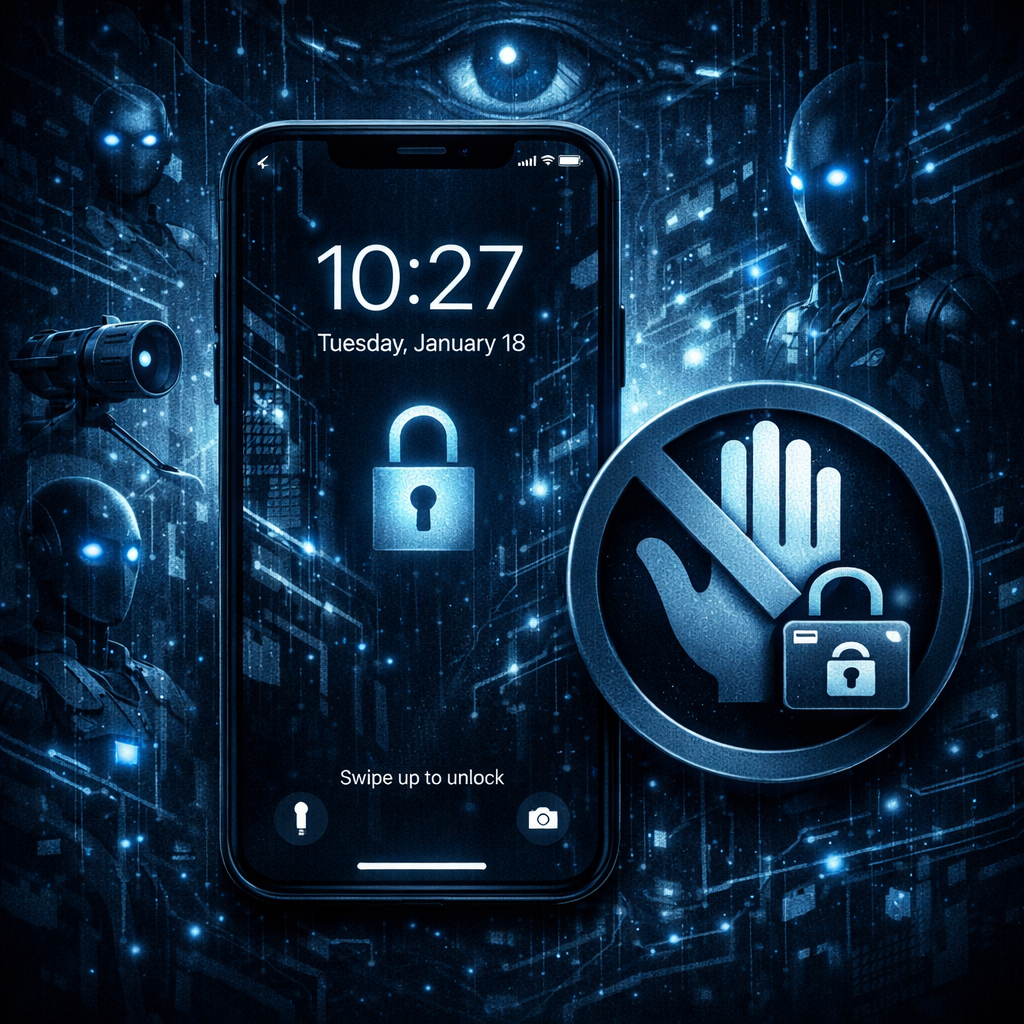
Previously, Signal blocked screenshots by default only on its Windows desktop application. With the new policy, Android and iOS users will also face default screenshot restrictions—effectively limiting any way system-level AI agents can scrape or archive screen content without user intent. Signal maintains this move is vital since OS-level AI tools may capture, store, and possibly transmit sensitive data in ways outside the messaging service’s control.
Options, Trade-Offs, and Limits
The screenshot prevention is not absolute. Users can turn off this protection if they choose, though Signal warns doing so undermines its privacy assurances. Still, the feature isn’t a complete defense. Whittaker, in announcing the update, noted there are more surreptitious methods by which AI agents could access app data—beyond screenshots—and this step doesn’t address all of them.
Broader Context: AI, OS Agents, and Privacy Risks
As more operating systems equip powerful AI agents capable of acting autonomously, privacy experts have raised concerns about what apps can no longer keep private. Even if data remains encrypted in transit, once a system-level agent has access to what’s displayed on the screen, it can bypass protections developers build inside their apps.
Signal’s move puts it at the forefront of services pushing back against this trend. It’s joining a growing wave of concern over how embedded AI—especially when baked into the OS layer—could fundamentally shift privacy expectations and protections.
The bottom line: Signal’s adoption of mobile screenshot blocks marks a significant escalation in privacy enforcement. While users retain the ability to disable the control, doing so may leave conversation data exposed to system-level AI actors. In an era where OS providers and AI increasingly intertwine, this change strikes at the heart of what privacy means—for apps, users, and the platform makers themselves.