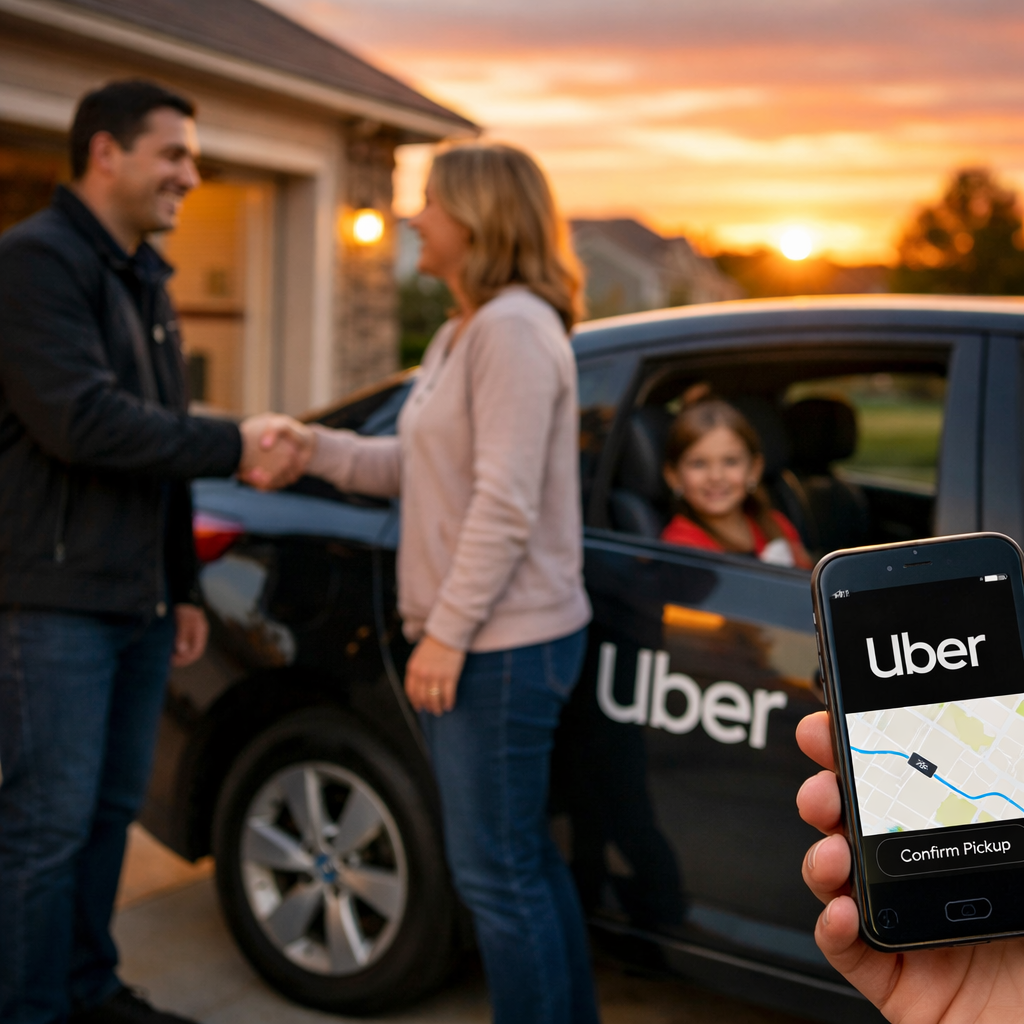
Uber is testing a new service called Uber Kids in three U.S. cities—Austin, Nashville, and Madison—that would allow children as young as 10 to ride without an adult. This pilot expands on Uber’s existing service for teenagers aged 13–17 and is being rolled out quietly, meaning it may or may not spread beyond this test phase.
Strict Safety & Driver Standards
Under Uber Kids, parents or guardians must first create a “family profile” and complete an onboarding process that highlights safety measures integrated into the service. The trip request must come from the parent, and they have to be present at the pickup location. Additionally, they must leave written instructions for the driver about where to drop the child off.
Not just any driver can opt in. Uber is allowing only drivers who have been directly invited to participate, and who meet a high rating threshold. These drivers must complete a training module that includes detailed instructions about handling these trips and agree to enable live video streaming so parents can monitor the ride in real time. Uber also uses a pin verification system for every Uber Kids ride, plus GPS and sensor-based tracking to spot detours, unusual stops, or early trip ends. All videos are encrypted and won’t be shared with drivers.
Extra Pay to Make It Work
Recognizing that drivers will be taking on more responsibility, Uber is offering increased compensation to those who accept Uber Kids rides. Drivers receive an extra $7 per Uber Kids trip compared to a standard ride, and a $20 bonus for their first Uber Kids trip. The higher pay is intended to encourage participation from drivers who might otherwise avoid trips involving younger riders.
In launching Uber Kids, Uber is clearly competing with existing services tailored specifically to transporting minors—companies like HopSkipDrive and Zum—which already offer ride options for younger children under strict safety protocols. If Uber’s test proves successful, this could give it a foothold in a market with high demand among families with active schedules and limited transport options for preteens.
This pilot builds on Uber for Teens, which launched in 2023 and expanded nationwide. That program introduced live video streaming among its safety features, a component now carried into the Uber Kids pilot.
There’s no guarantee Uber Kids will become permanent or be broadly expanded—it may remain limited to these three cities or sunset entirely depending on parental reception, safety outcomes, and operational feasibility.
What this means: Uber Kids represents a bold push into transporting minor-aged riders without adult accompaniment, under a framework of strict oversight. It could address a real need for families—but success will hinge on safety, driver recruitment, and public trust. Industries working in child transport will be watching closely, and regulatory scrutiny could increase. If Uber can deliver on these safeguards, this could shift how younger users access ride-hailing services—and position Uber as a stronger player in family-focused mobility options.