Over the past two weeks, critical technology failures across major systems—from airline bookings to banking and government networks—have fueled fresh concerns about how artificial intelligence and aging infrastructure are colliding. Apple Pay went offline. NASA’s internal communication systems faltered. The FAA shut down all flights for hours—only the third time that has happened since 9/11. And Microsoft suffered a two-day outage impacting Outlook, Teams, and Copilot. These disruptions came so closely together that many are calling them more than coincidence.
Not Attacks, But Growing Pains
While some suspected AI hackers or state-sponsored cyberattacks, members of government and the companies involved have dismissed those theories. The Director of National Intelligence said there is no indication of organized terrorism behind the outages, and key businesses confirmed the root causes were technical failures, not AI attacks. However, cybersecurity experts warn the rapid escalation of shared vulnerabilities is being exposed by AI tools.
Dave DeWalt, former CEO of McAfee and long-time cybersecurity veteran, argues that these incidents reveal structural weaknesses being surfaced by AI at a rate we’ve never seen before. Many flaws, he notes, have always been there—only now are they coming into view. The rush to patch and fix in haste has itself led to further instability.
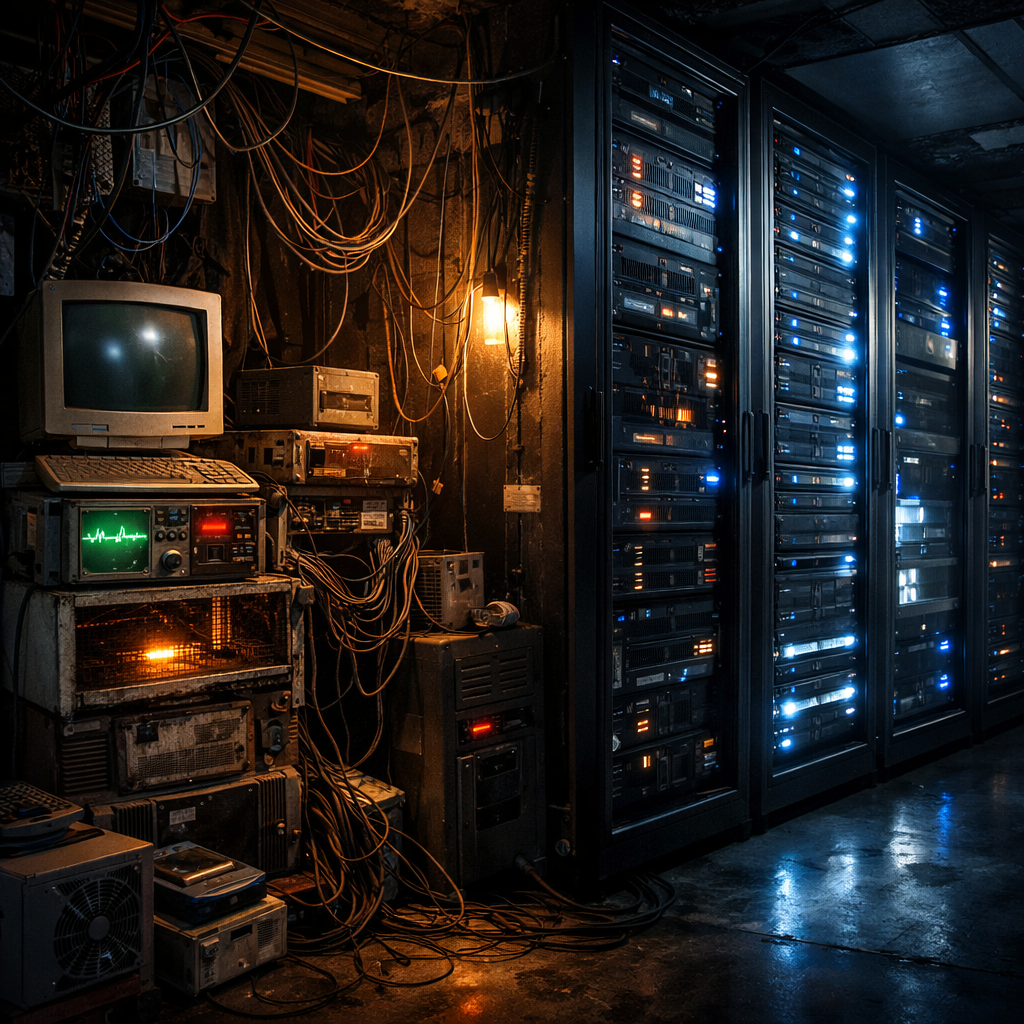
Software engineer Anusha Iyer points to mismatches between legacy systems and modern infrastructure as a major cause. Legacy hardware simply isn’t built for today’s interconnected and AI-heavy environment. Early investigations suggest, for example, that the FAA’s outage occurred during modernization efforts to upgrade telecommunications systems—efforts that may have overwhelmed older infrastructure.
Where Theory Meets Reality
Senator Mark Warner, vice chair of the Senate Intel Committee, describes recent outages as a wake-up call: AI’s pace is outstripping many organizations’ ability to contain risk. Experts are calling for a more disciplined approach to AI adoption. DeWalt recommends testing prioritize what needs fixing most, while Iyer urges tighter segmentation and strict access controls so that when new technology is introduced, it doesn’t drag down older, more vulnerable systems.
The growing consensus: while the outages are painful, the visibility they bring could be beneficial. DeWalt anticipates a surge in startups and tools focused on vulnerability management, autonomous remediation, safe patch deployment, and infrastructure resiliency. Businesses that manage to move at AI speed without breaking things may come out ahead.
This moment, then, is one of tension: the legacy systems many critical functions depend on weren’t built for today’s pace of AI development, while the modern systems trying to integrate with them often lack compatibility. As the U.S. faces multiple outages at once, the verdict seems to be emerging: these events aren’t just “bad luck”—they’re symptoms of a broader pressure test.
It’s not just about avoiding another FAA scare. These ongoing outages expose how unprepared many industries are for the AI-era interdependencies now in play. What enterprises need isn’t just faster AI adoption, but smarter planning—where risk, legacy, and infrastructure get equal attention to innovation.