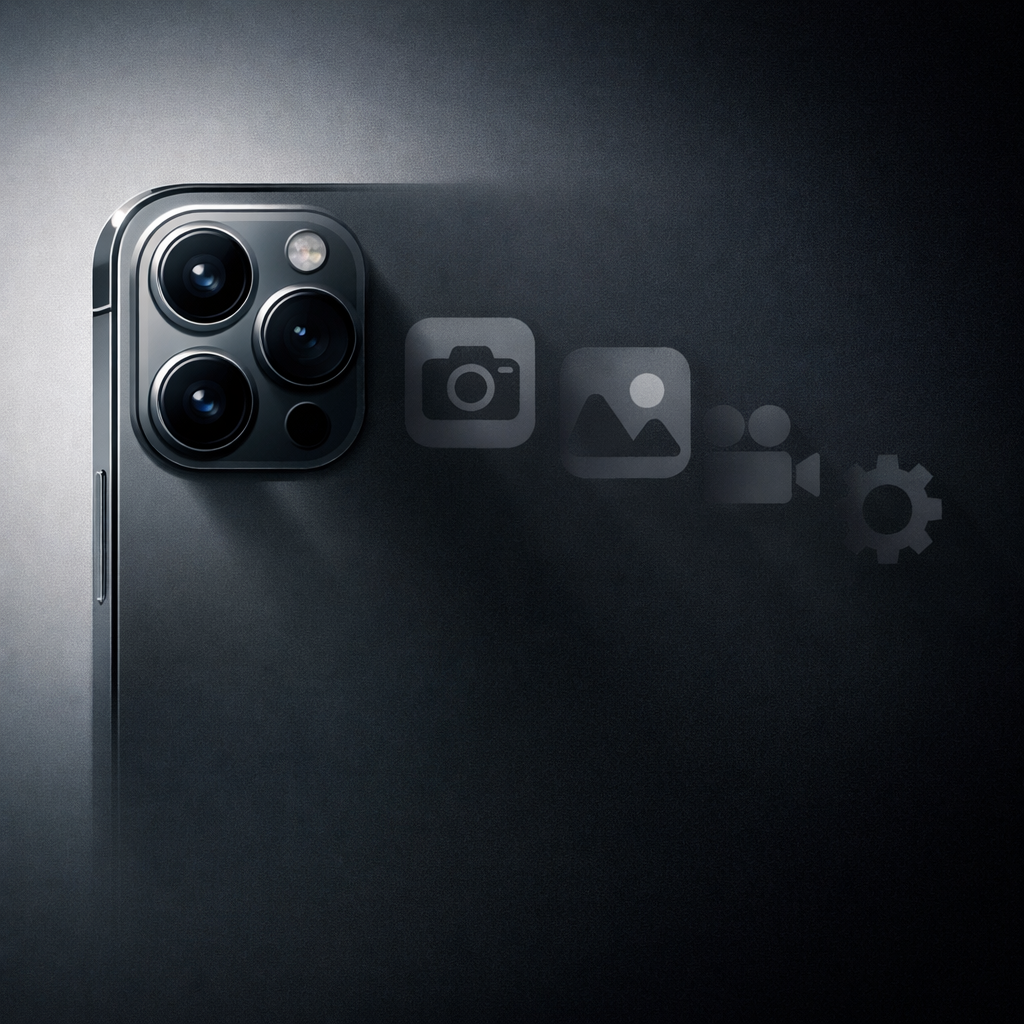
Apple is undergoing a leadership shakeup in its imaging software division. Jon McCormack, who had been leading Apple’s Camera and Photos software efforts for the past eight years, officially retired last month. His role included oversight of the Camera and Photos apps plus the core technologies that enable capturing, viewing, and editing photos and video. McCormack reported directly to Apple’s software chief, Craig Federighi.
Transitioning the Role Without a Direct Replacement
Rather than naming a new vice president to step into McCormack’s position, Apple is redistributing his responsibilities among his former deputies, each now reporting to different senior executives. This restructuring reflects Apple’s long-term approach of allowing multiple leaders to carry forward a role rather than appointing a single successor.
McCormack’s Contributions: From Selfies to Variable Aperture and AI Philosophy
During his tenure, McCormack played a key part in significant imaging feature launches. He guided the redesign of the selfie camera implemented in the iPhone 17 lineup. In the iPhone 18 Pro models, Apple brought in a variable-aperture camera, offering enhanced control over depth of field and lighting. Under his lead, the Camera app also gained a customizable interface tailored toward professional users.
Apart from hardware and app features, McCormack’s style was defined by his standpoint on AI in imaging. He was known for resisting the use of generative AI to create or modify photographs, even as Apple incrementally introduced AI-powered tools within the Photos app. Despite this philosophical stance, the company’s leadership indicated his departure was not due to a clash over AI strategy.
Earlier this year, in an interview, McCormack discussed features coming with iOS 27. These include Clean Up, Extend, and Spatial Reframing—all built with a focus on maintaining what he called “the integrity of the moment.” These tools represent Apple’s direction toward AI-assisted editing while still keeping user intent and photo authenticity central.
What This Means Going Forward
The departure of a long-serving imaging software lead like McCormack poses both challenges and opportunities for Apple. Without a direct heir in title, the company’s imaging vision may gradually shift under the influence of several leaders rather than one. His resistance to heavy-handed generative AI use in photos suggests Apple may continue cautious, more curated AI implementation—balancing innovation with respect for authenticity. Observers should watch upcoming iOS releases, especially how Apple handles AI-powered tools in Photos and Camera apps, to see who steps into McCormack’s strategic role and how that vision evolves.