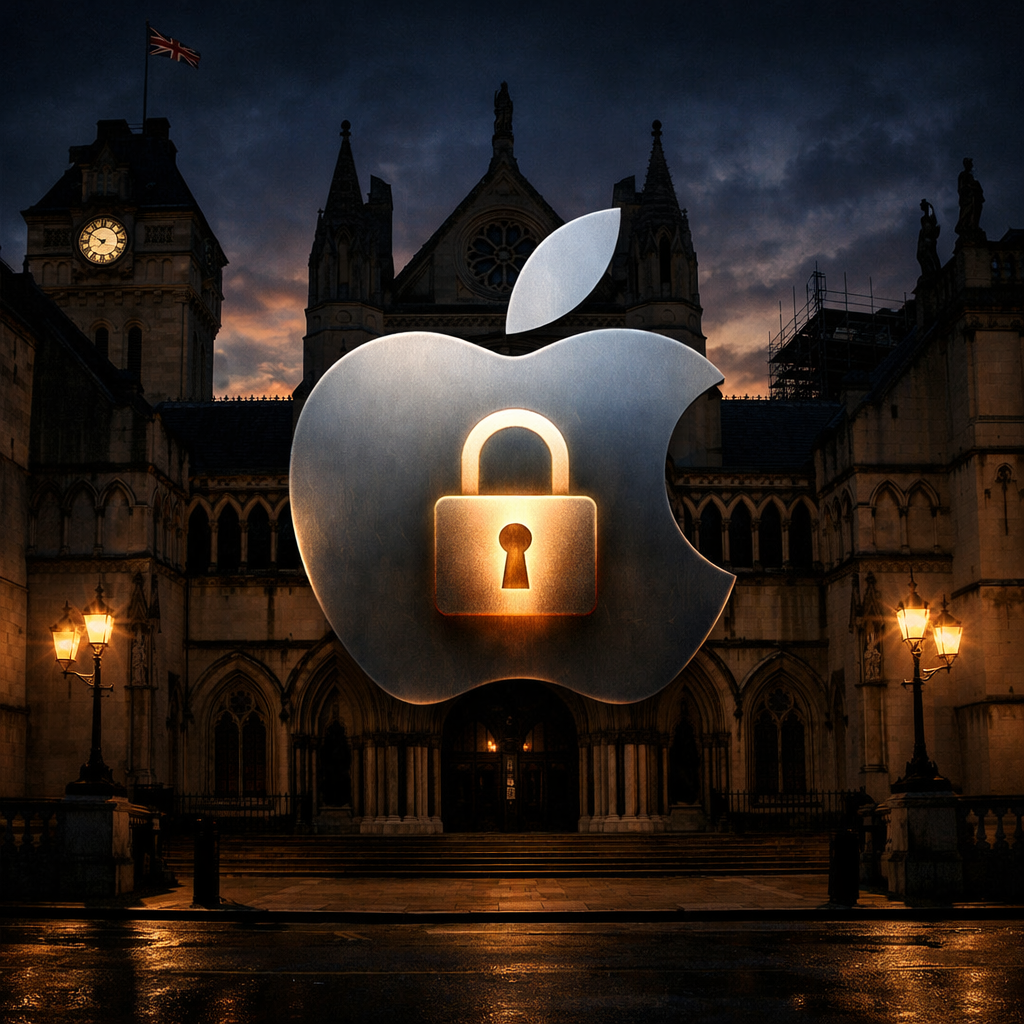
A British tribunal has ruled that Apple is now legally permitted to reveal a previously classified order from the UK government demanding it introduce a backdoor into its Advanced Data Protection feature. The order, issued under law that also barred disclosure, forced Apple to allow access by security services to encrypted iCloud data.
What Advanced Data Protection Is
Advanced Data Protection (ADP), launched by Apple in 2022, extends end-to-end encryption across nearly all iCloud data. With ADP enabled, even Apple cannot access user data—making it inaccessible to law enforcement or government agencies. Because of this, the feature is off by default, to prevent situations where users forget passwords and cannot regain access.
The Demand from UK Authorities
In 2025, the UK government issued an order compelling Apple to install a “technical capability notice” (TCN)—effectively a backdoor—to allow state access to data protected by ADP. This order came with a gag: the legislation forbade Apple from disclosing that it had been instructed to comply.
Rather than reveal the full truth, Apple withdrew ADP from availability in the UK. It stopped allowing new users to turn on the feature, and current users were informed that they would ultimately need to disable it. Publicly, the company cited disappointment and emphasized that it had not built a backdoor or master key—while many industry observers saw through the silence.
Court Rules Secrecy Must End
Apple later challenged the legality of the gag order, backed by privacy organizations. The Investigatory Powers Tribunal, which handles UK surveillance disputes, has now ruled in Apple’s favor. The Home Office—the UK government department responsible—failed to demonstrate that admitting the existence of the order would harm national security. The tribunal held that much of the ongoing legal dispute can now be heard openly.
The ruling formally allows Apple to confirm that the government issued a TCN, ending the enforced silence. It does not remove the requirement for Apple to comply with the backdoor demand—it only lifts the ban on speaking about the order itself.
Why it matters: This decision sets an important precedent for corporate transparency in security matters. It confirms that, even when governments invoke national security to impose secrecy, there are limits—especially when public interest and constitutional rights are in tension.