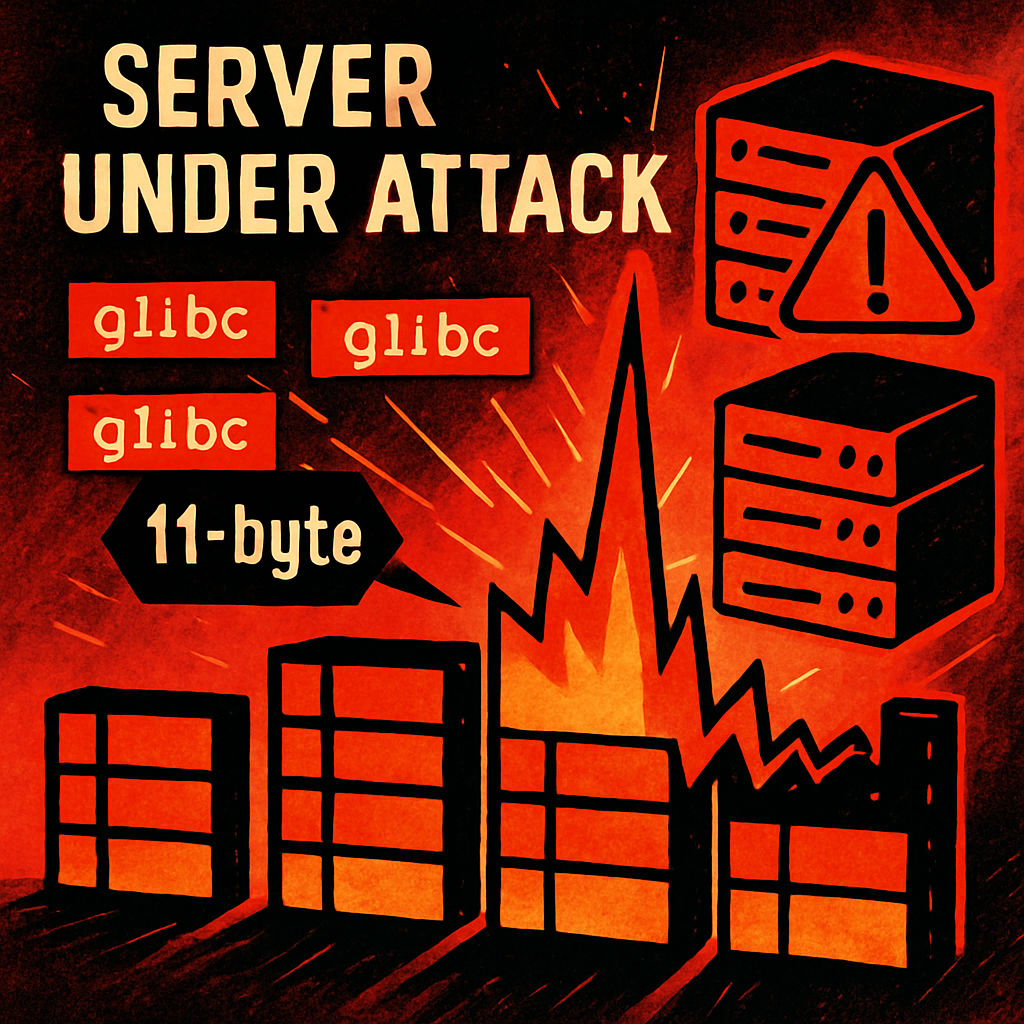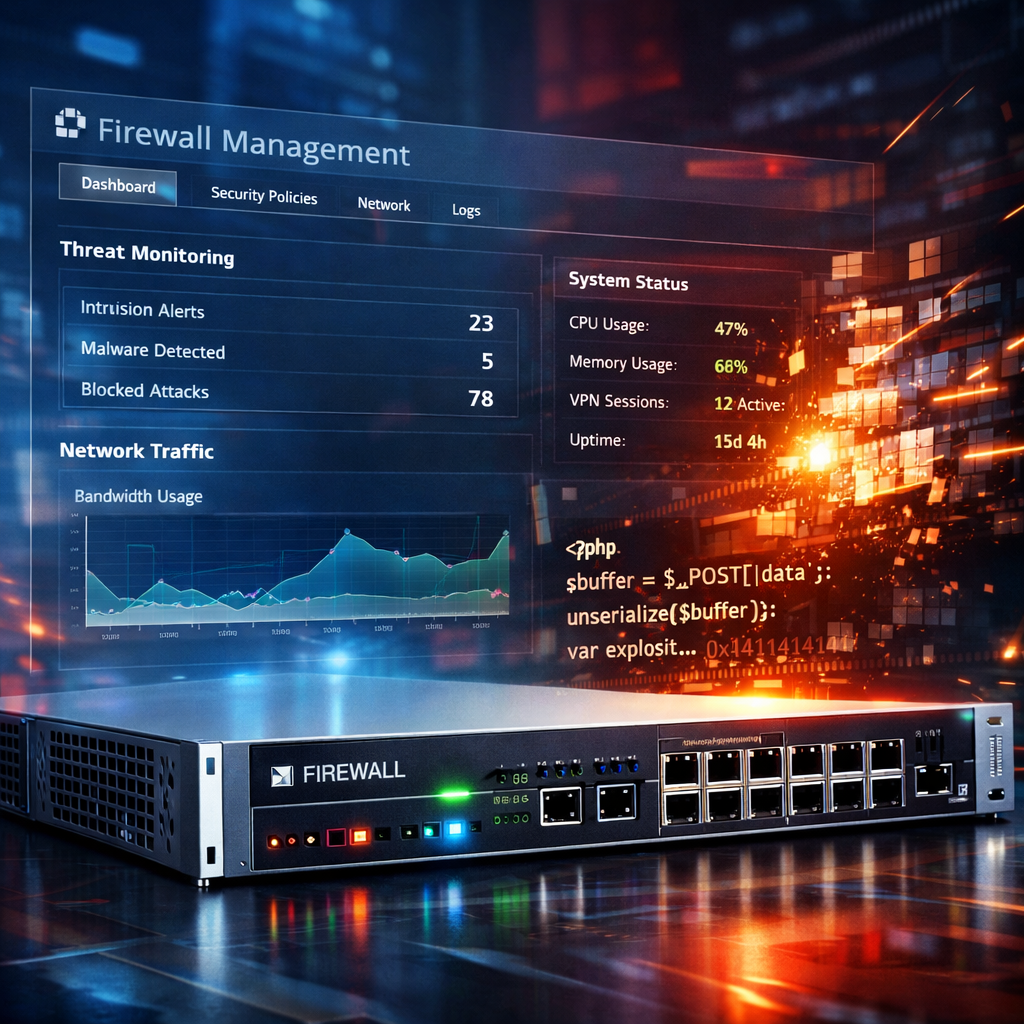
In late October 2026, two high-severity vulnerabilities in PHP—CVE-2026-109618 and CVE-2026-109619, collectively dubbed “PHP2Shell”—were found to be actively exploited in firewalls and management interfaces that are exposed to the internet. These flaws allow unauthenticated remote code execution (RCE), meaning attackers can gain control of critical systems without any credentials. The incident underscores the fact that many network appliances, including firewalls, are essentially web applications vulnerable to the same threats as websites.
What Is PHP2Shell and Why It’s Dangerous
These two vulnerabilities stem from memory-safety bugs in PHP—one relating to how PHP handles out-of-memory situations (CVE-2026-109618) and the other stemming from stale global state being reused across requests (CVE-2026-109619). Because the flaws arise during HTTP request parsing, they may trigger before any application-level protections, login checks, or authorization logic ever run. That means even applications that don’t handle file uploads or custom user code may still be exposed if they rely on a vulnerable PHP runtime.
These vulnerabilities earned a score of 9.2 under CVSS v4.0 and have been found exploitable on various platforms, but especially weak versus systems using mod_php. Appliances like firewalls are especially at risk because they often ship with fixed, unmodified versions of PHP software, lack frequent patches, and run identical binaries across many devices—making it easier for attackers to predict internal memory layout or routines.
Attacks Observed and Exposed Devices
Attackers have already leveraged PHP2Shell to breach multiple Palo Alto Networks firewalls. Investigation by Dream Research and Palo Alto revealed that threat actors obtained firmware, extracted PHP libraries, mapped memory layouts for multiple versions, and chained PHP2Shell with a separate Linux kernel flaw—named Fragnesia (CVE-2026-46300)—to gain root on 25 systems across U.S., Japan, Taiwan, and South Korea. Affected devices include 24 firewalls and one management server.
These exposed systems typically had management interfaces accessible over the public internet, outdated PHP versions (including ones no longer supported), and in some cases insufficient protections like outdated ASLR configurations. The combined threat has triggered urgent mitigation efforts from vendors like Microsoft, AWS, and Cloudflare to issue patches, deploy Web Application Firewall (WAF) protections, and provide guidance for limiting exposure.
Defending Against PHP2Shell
Patch immediately to PHP 8.5.12, 8.4.27, 8.3.36, or 8.2.35—or apply backported fixes if still using older branches. Inventory all devices with internet-facing PHP runtimes, especially those not typically viewed as web servers but appliances with management web interfaces.
If removing internet exposure isn’t feasible immediately, limit access to internal or trusted IP addresses, disable unnecessary features like session upload progress, and ensure strict request-body size limits. WAFs can provide stopgap protection, but must be tuned to detect multipart/form-data misuse and known PHP2Shell signatures.
Finally, keep in mind that traditional security layers—firewalls and WAFs—may not always detect or block novel abuse of web protocols. Monitoring crash logs, memory exhaustion warnings, and anomalous behavior across web servers and appliances can provide early warning of abuse.
This vulnerability isn’t just another PHP bug—it’s a structural wake-up call. Appliances once considered a step above common web app risk are proving just as exposed once you recognize everything that listens on HTTP as a web app. Organizations need to shift mindset: applying application security practices not just to websites and APIs, but to all devices with management interfaces, file upload routines, or HTTP-based control planes—before the next flaw wakes up in something unsuspected. Keep your firmware and runtimes updated, map your attack surface, and treat every web-exposed endpoint as a site needing web-safe defenses.