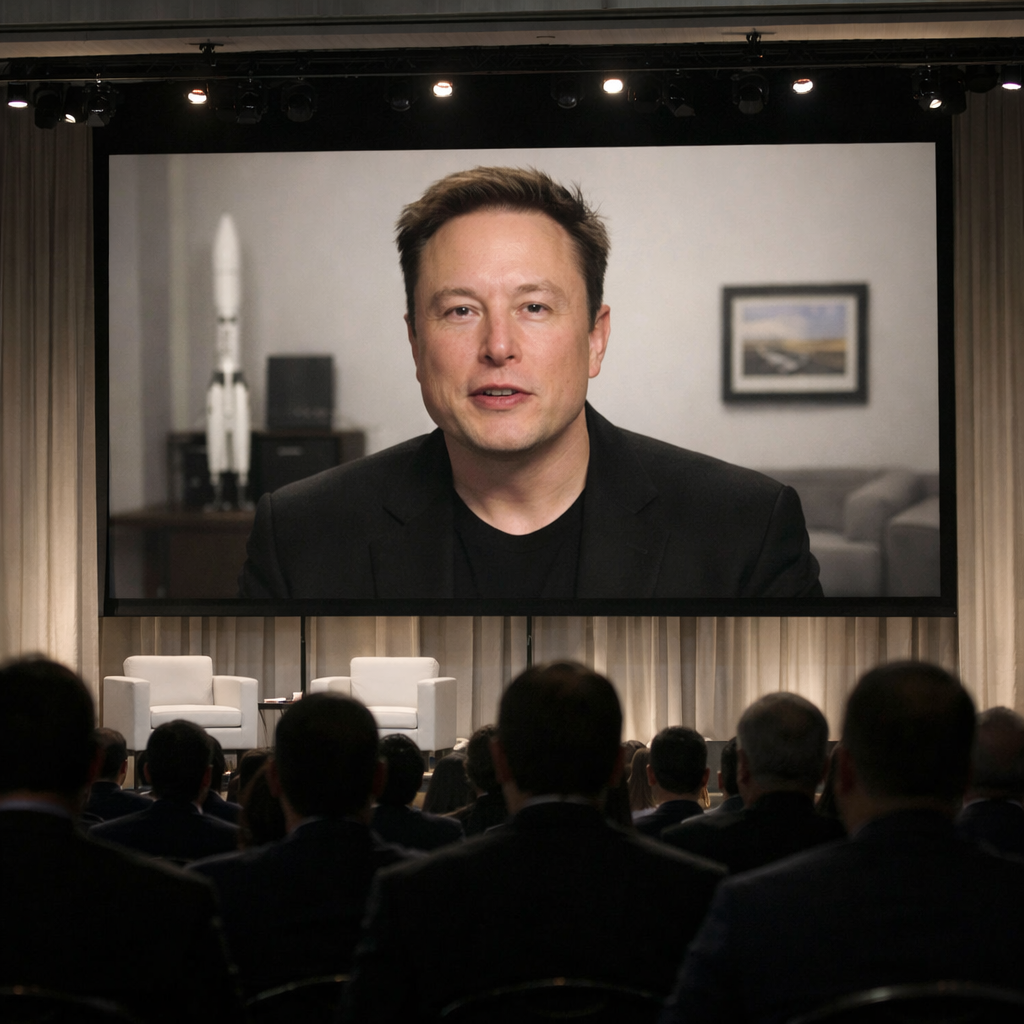
Elon Musk has publicly distanced himself from the MAGA label—even after supporting Donald Trump’s 2024 campaign with vast financial contributions and formerly identifying as “dark MAGA.” During a video interview at The New York Times DealBook Summit, Musk said, “I’m not MAGA,” clarifying that he doesn’t view himself as someone who blindly follows Republican Party policy. The remark came as he reflected on recent Republican losses in the midterms and his own political spending.
Musk’s political identity has long been tangled with MAGA imagery and rhetoric. In 2024, he backed Trump’s reelection bid with around $277 million. He also once called himself “dark MAGA” and was later photographed wearing an oversized MAGA hat during a visit to the Oval Office. Yet those actions now appear at odds with how he defines himself.
Questioning the Return on High Stakes Political Spending
During the same DealBook conversation, Musk admitted that despite pouring roughly $445 million into Republican campaigns, the results were underwhelming. He expressed regret over what he now perceives as ineffectual spending, noting that even though money is a major factor, it doesn’t guarantee political success.
He also rejected labels of extremism, insisting he holds no radical political views. When prompted about people finding his stance on immigration “extreme,” Musk asked simply, “Like what?” suggesting he doesn’t see his own positions that way.
Musk Pushes Back Amid Rising Scrutiny
Musk’s remarks come as Congressional oversight ramps up. Lawmakers are investigating several areas, including Musk’s involvement with DOGE, a government efficiency initiative launched during Trump’s presidency, and allegations that Starlink restricted Ukrainian military access to its internet service.
Amid this backdrop, Musk denied wrongdoing. When asked about comments suggesting he might need a pardon, he said he hasn’t committed any crimes. He also drew a comparison between a recent Texas official’s comments—saying Musk should go to prison—and tactics used by Stalin’s secret police under Beria, criticizing the idea of being jailed without proof of crime.
These statements reflect Musk’s attempt to redefine how he is perceived politically, moving away from hardline partisan identity toward a more individualistic stance. His dissociation from MAGA may reshape conversations around his political influence, business entanglements, and public image.
Musk’s distancing matters. In an era where corporate leaders’ political involvement draws scrutiny from all sides, rejecting the MAGA label doesn’t erase one’s past, but it may recalibrate expectations—among voters, regulators, and business partners. Moving forward, it’s worth watching how Musk’s policy positions evolve and whether this shift impacts how his companies are treated politically or regulated.