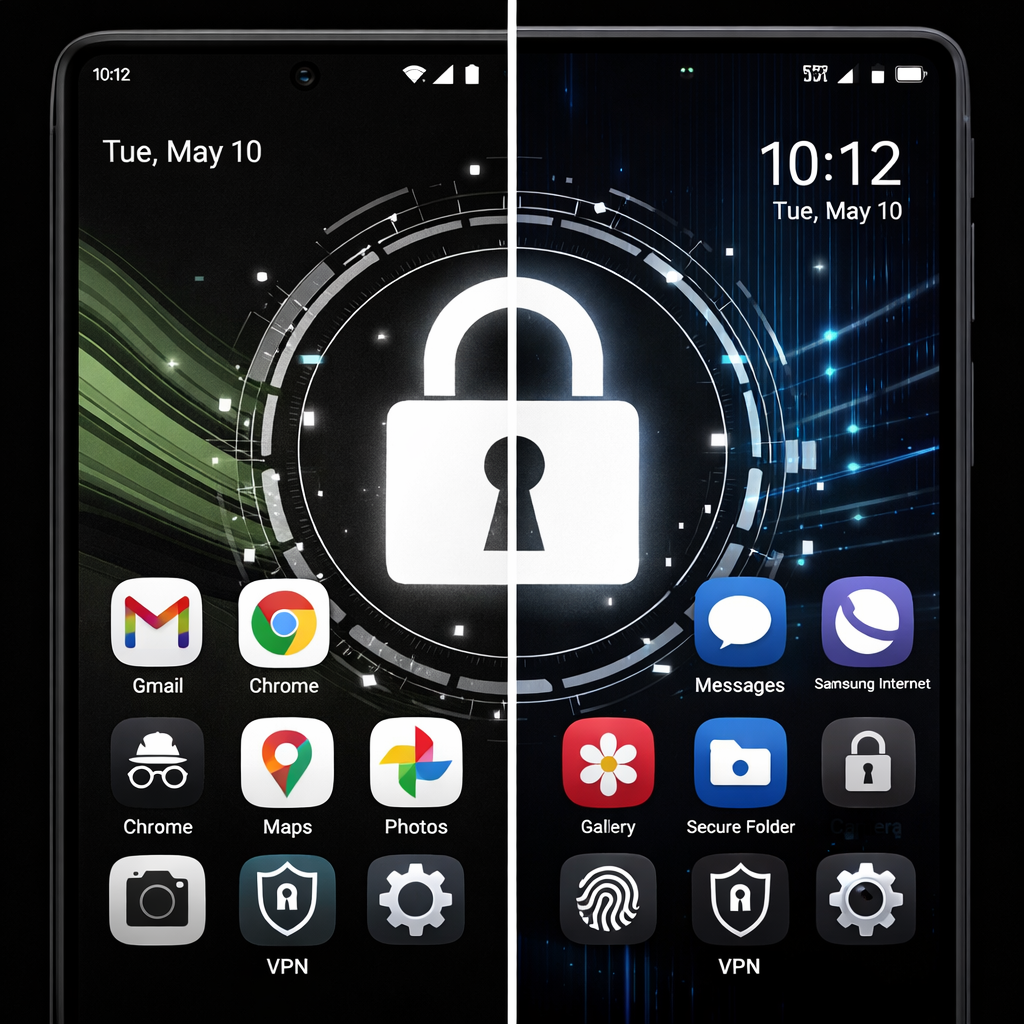
Today marks the official return of App Lock for Google Pixel phones, now in beta form—a feature that slipped away briefly and has reappeared alongside early access for select Samsung Galaxy devices.
What is App Lock, and why it matters
App Lock lets users safeguard individual apps behind biometric verification or PINs. It goes further than simple app hiding: notifications, widgets, and even data that third-party AI services could tap into stay locked down. Originally introduced in August via Android 17 QPR2’s beta on Pixel devices, the feature was later pulled so Google could fine-tune the experience. It re-emerged in QPR3 Beta 3 before today’s formal rollout.
Where this lands for Pixel and Samsung
Pixel users on Android 17 QPR3 Beta 3 now officially have App Lock again, with expectations that the stable release will arrive in early 2027. Access is simple: long-press an app icon and add it to the lock list, then it’s protected as soon as you set up authentication. Notifications etc. are similarly shielded.
Samsung Galaxy devices aren’t left out. One UI 9.5 beta, based on Android 17 QPR2, already supports App Lock. That suggests Samsung’s upcoming Galaxy S27 phones will ship with it by default. For older Galaxy models, however, the update won’t arrive until down the road—possibly around May, judging by lines of past rollouts.
The backstory and rollout timeline
The initial launch in QPR2’s beta on Pixel phones showed promise, but Google decided to remove App Lock during development to add more polish and ensure the feature integrates well across its system. The re-release in QPR3 Beta 3 restores it, this time prepping for a stable delivery in early 2027. Samsung’s One UI 9.5 takes advantage of QPR2’s foundation to bring the feature to its beta users now, with broader access coming later.
For Pixels, the timing suggests a first stable release around March of next year. Samsung Galaxy S27 phones are likely to include App Lock out of the box, while older Galaxies could follow with One UI 9.5 updates in mid-2027.
This development joins a broader trend of strengthening privacy controls at the app level—a move users have increasingly called for as concerns about data leakage and AI exposure grow. App Lock represents a direct response, offering users a more granular way to keep parts of their phones out of view.