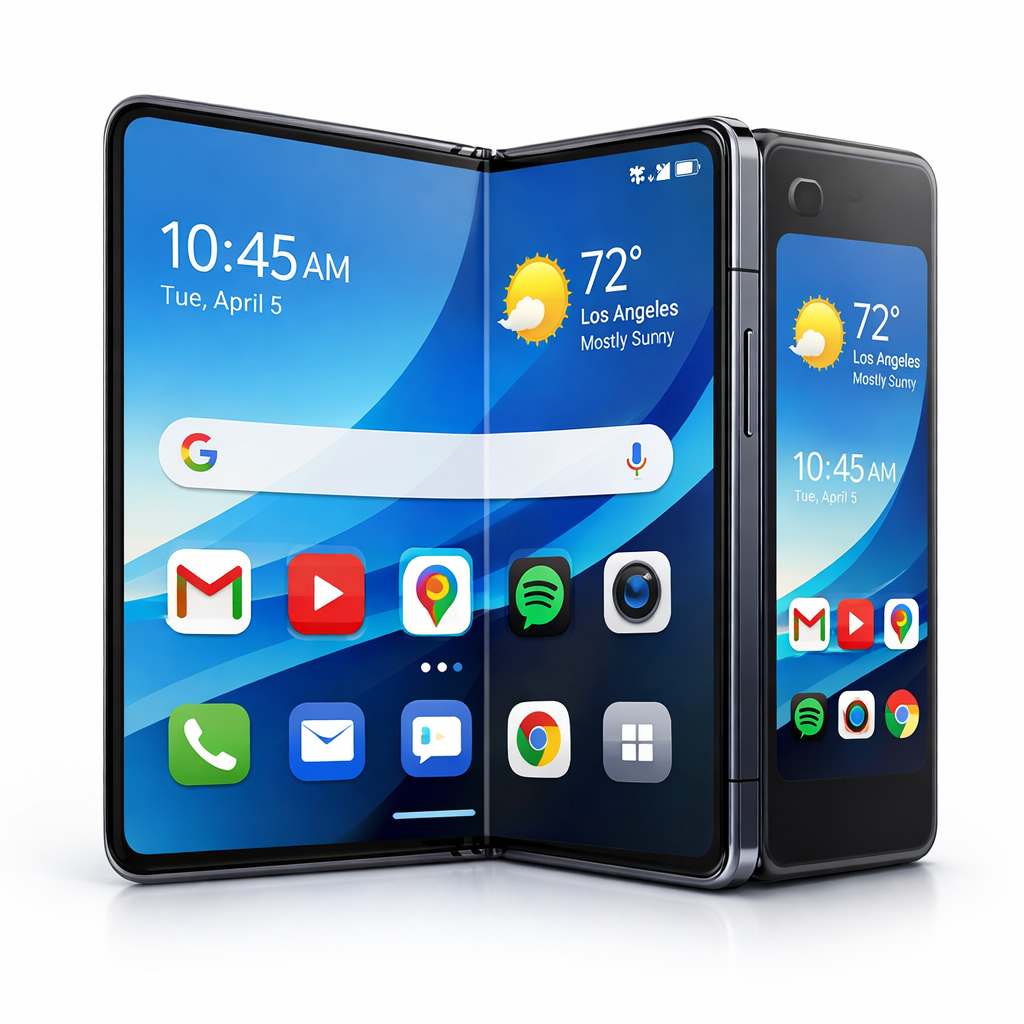
Starting April 2027, Google Play will demand that all Android apps meet a new baseline for foldable device compatibility. The platform is introducing “Tier 3” of its Adaptive App Quality Guidelines: apps must fully support foldables without relying on compatibility modes like letterboxing. Core behaviors—screen rotation, resizing, folding and unfolding—must preserve scroll position, text input, and media playback. Multi-window support is now mandatory. Apps failing to meet these requirements will be barred from updates or new publishing on Google Play and may lose visibility in the store.
Policy Timeline & Technical Requirements
In addition to the April foldable compatibility mandate, developers must provide foldable-device screenshots for their app listings by the same date. A new requirement in August 2027 will be that all new and updated apps target Android 17 (API level 37), bringing stricter compatibility and performance standards.
For games, the same timeline applies: foldable screenshots will be required by April, and by August they must comply with the Tier 3 large screen quality guidelines. These include full-screen rendering in supported modes, resilient HUD behavior under rotation or folding, and proper touch alignment.
Higher Tiers & Rewards for Excellence
Above Tier 3 lie Tiers 2 and 1, each with increasing levels of polish: responsive multi-pane designs, support for external input like keyboards and mice, avoidance of stretched UI elements, high-resolution visuals, and optimized performance. Tier 1 pushes the envelope further with priorities like 60–120 FPS frame rates, efficient rendering, extended battery and thermal stability, and dynamic resolution scaling between screens.
Apps that meet higher-tier standards will earn perks such as special store badging, editorial visibility, and enhanced merchandising space on Google Play—rewards aimed at driving developers toward a superior user experience on large- and folding-screen Android devices.
The broader Adaptive App Quality framework doesn’t stop at foldables. Over time, Google plans to bring Tier 1 and Tier 2 standards to tablets, Android XR, and even books, elevating the expectation for adaptive design across all Android form factors.
Your Own Analysis: This shift from Google Play signals an inflection point for Android UX on modern devices. It’s the clearest directive yet that foldables aren’t niche—they’re expected, and apps must treat them as first-class citizens. For developers, the coming deadlines demand early investment in responsive UI, robust state preservation, and wide-screen optimization. Users should expect a sharper, more polished experience across foldables and tablets, but the transition could leave laggards behind. The real winners will be apps that embrace the high tiers—those will be the showcase experiences that set the benchmark for Android adaptive design going forward.