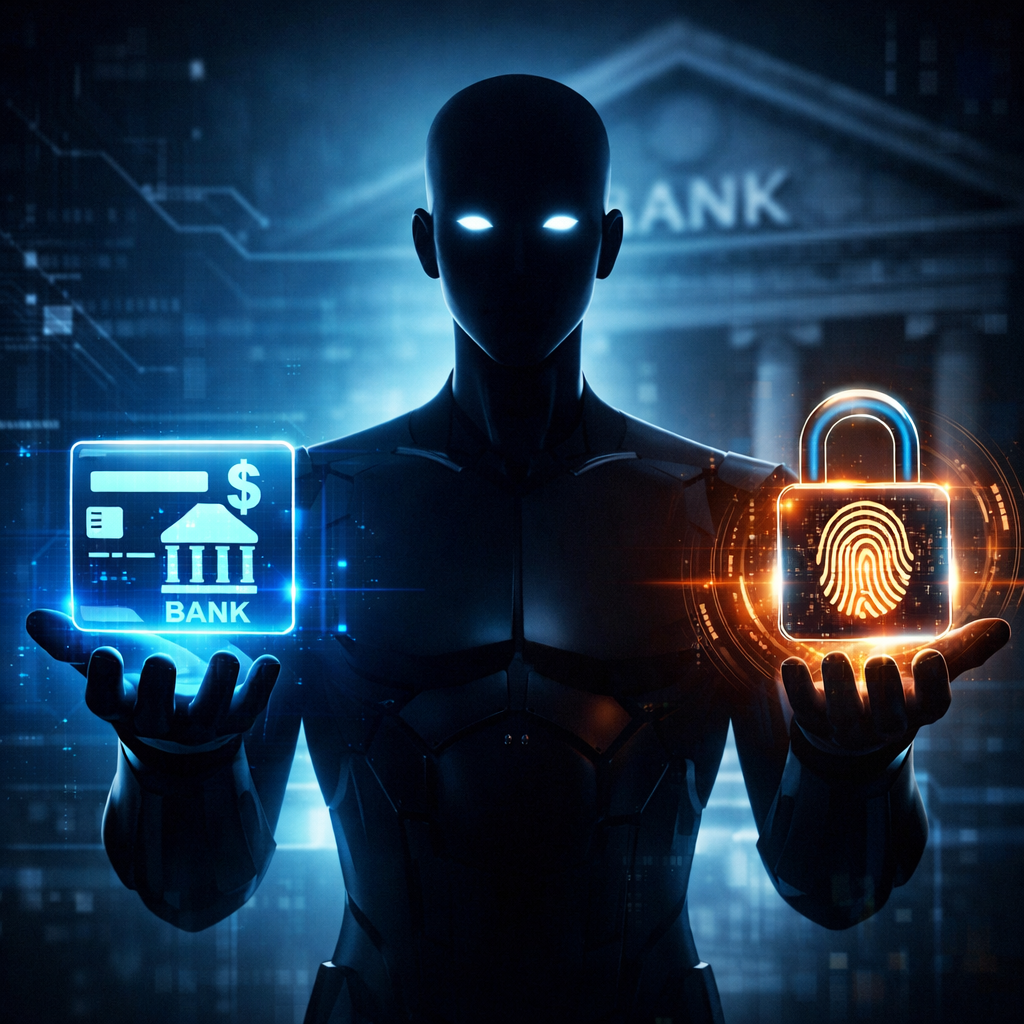
Major U.S. banks including Citibank, Bank of America, JPMorgan, PNC, and Citizens have updated their terms of service to clarify that customers using third-party AI agents to access their bank accounts are on the hook for any mishaps—even in cases of hacking or unauthorized access. The changes explicitly state that the customer, not the bank, is responsible for losses arising from misuse or breach of credentials granted to these AI tools.
These AI tools—ranging from experimental models to apps focused on personal finance—can be granted permissions to view or manage financial data, advising users on spending, investing, and sometimes performing transactions. Banks are pushing back hard, warning that when these tools hold sensitive login information, any resulting harm is not their problem. Citibank made this crystal clear in a recent update: if an AI agent leaks credentials or is compromised, the bank will not reverse resulting damages. Similar policies have already been adopted by Bank of America and JPMorgan; PNC and Citizens followed suit this week.
What’s Driving the Change
As financial AI services grow more popular, the risk surface expands. These tools often promise value by automating tasks—from scheduling payments to optimizing investment portfolios—but they inherently require trust and access to sensitive data. Banks see this as a liability risk. Rather than maintain responsibility for losses tied to third-party tools, they’re shifting that burden to the users themselves.
One especially telling example comes from a new finance tool launched by Anthropic. It’s marketed as “read-only,” meaning it can’t initiate transactions or move money. By doing so, the company avoids pushing into territory where banks are drawing clear liability lines. The move suggests firms building finance-oriented AI products will need to be especially careful about permission scopes and clarity around what customers can expect.
Implications and Industry Reactions
Banks’ stronger stance could reshape how consumers engage with fintech and AI. Transparent liability terms mean fewer surprises, but also greater caution. Users seeking automation must weigh the trade-off: convenience and insights vs. bearing the risk themselves. Some banks have argued this is a part of broader competitive pressures—fintech tools could help customers sidestep fees or find better rates, cutting into traditional banking revenue streams.
This tension between innovation and safety is playing out not just in finance but across sectors. From car services to food delivery, agents and automated systems promise ease—but businesses are pulling back when liability and accountability questions arise. Financial institutions have even more at stake: mismanaged funds, fraud, and regulatory scrutiny all loom large.
What to Watch: how regulators respond. With banking laws already strict around disclosures and fraud protections, changing liability norms might attract government attention. Also important: what kinds of safeguards users can realistically demand or expect from AI agents—such as limited access levels, strict security audits, and contingency plans when something goes wrong.
This trend signals a turning point. Banks are drawing the boundary very plainly: if you invite an AI into your financial world, you accept the risks. For users, that means reading the fine print—not just trusting in convenience. The future may see more regulation, or more practices designed to balance protection and innovation. Either way, responsibility for risk is shifting, whether users are ready or not.