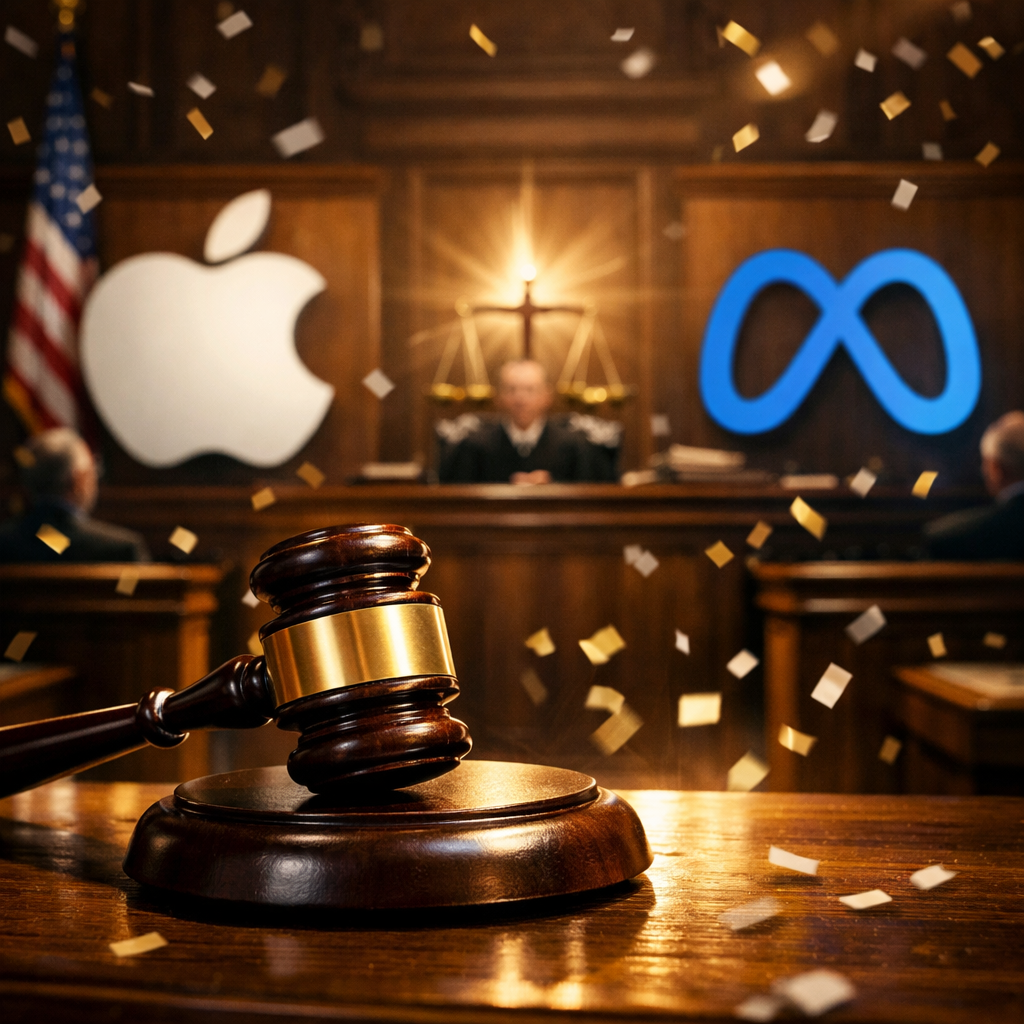
The U.S. government has settled a lawsuit after a verdict found it likely breached the First Amendment by pressuring Apple and Meta to remove Eyes Up, an app that collects videos submitted by users documenting actions by Immigration and Customs Enforcement (ICE). The settlement has made the injunction protecting the app permanent and requires federal officials to alert the tech companies when such court orders are issued.
What sparked the lawsuit
Eyes Up, developed by Mark Hodges, originally appeared in the App Store but was removed following repeated demands from government agencies. The app functions as a public reporting tool to collect user videos of ICE operations.
In February 2026, the Foundation for Individual Rights and Expression (FIRE) filed suit against Attorney General Pam Bondi and Homeland Security Secretary Kristi Noem, representing both Eyes Up and a Facebook page based in Chicago. The lawsuit claimed the government’s actions constituted First Amendment interference by forcing Apple and Meta to take down the app and page. Legal proceedings led a judge to find these actions likely unconstitutional.
The court’s ruling and its consequences
Following the ruling, a permanent injunction was entered, preventing government agencies from coercing platforms like Apple and Meta into removing such speech. As part of the settlement, officials must now inform both companies of court orders that may affect app removals or content takedowns.
Mark Hodges said the ruling affirms the right of individuals to document what they see ICE doing, emphasizing that it shouldn’t take litigation to protect speech. Meanwhile, Meta’s removal of the Chicago Facebook group was also challenged under the same principles in the lawsuit.
The case is not isolated. Another lawsuit remains pending: a separate developer behind the ICEblock app is also suing over similar claims of unconstitutional pressure to suppress speech by law enforcement authorities.
What this means, and what to keep an eye on: This decision sets a legal precedent strong enough to shield apps and platforms from government pressure that infringes on speech rights. It forces greater transparency from federal agencies when attempting to restrict digital tools and content. The outcome could influence how tech platforms react to government demands, particularly in cases touching civil rights or public oversight. With similar lawsuits in the pipeline, we may see broader protections emerge for apps documenting government activity.