SK Hynix, a key supplier of memory components like RAM and flash used by Apple, is warning that price increases for these components are expected to continue through at least 2030. The company cites a widening gap between soaring demand—particularly driven by AI workloads—and a sluggish capacity expansion that can’t keep pace. Apple, among more than a dozen major customers with priority supply deals, is not immune to the rising costs under these contracts.
Why the Squeeze?
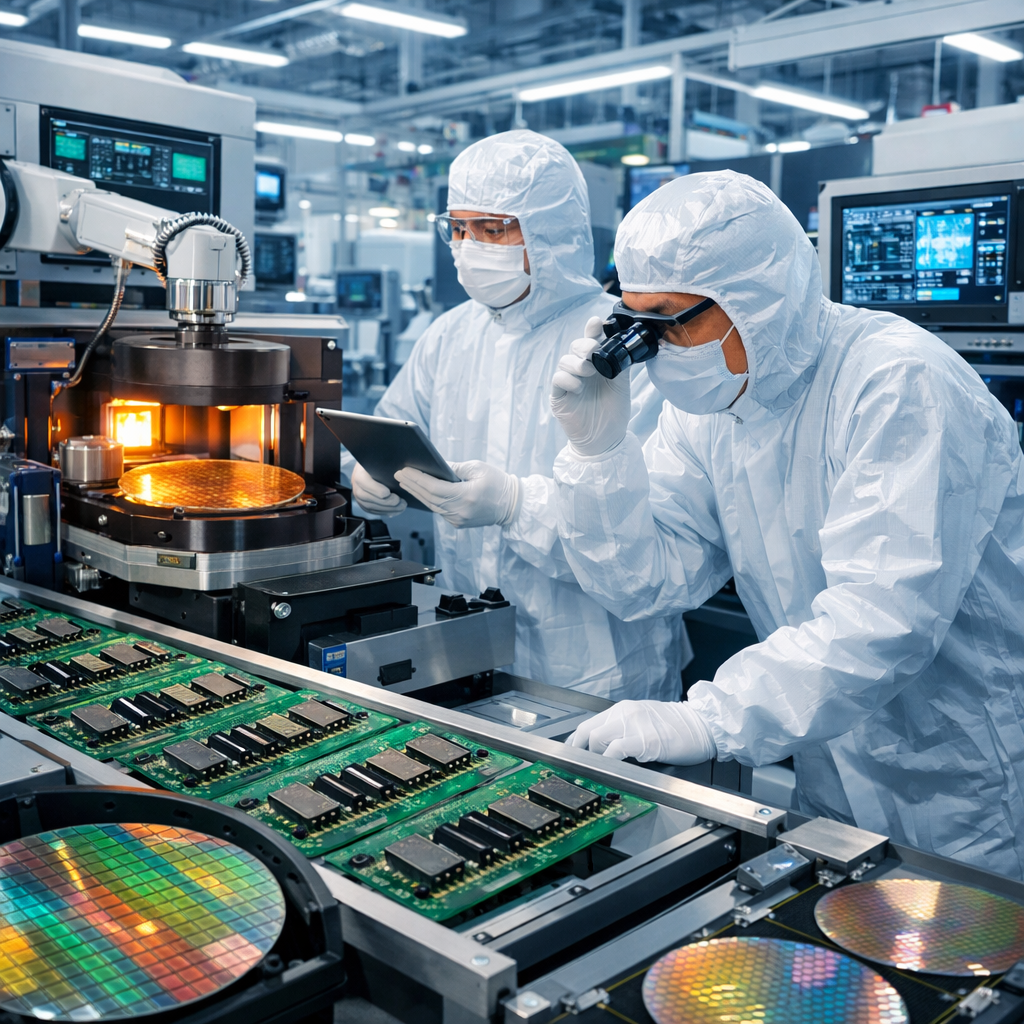
The fundamental issue stems from supply failing to keep up with market demand. SK Hynix argues that because cutting-edge memory production technologies are becoming more complex and setting up new manufacturing plants now takes years, memory shortages will persist for the foreseeable future. High demand from AI and other data-intensive sectors is only accelerating the problem with existing facilities stretched thin.
Apple is reportedly one of 14 “big buyers” that have secured priority orders with SK Hynix. These long-term agreements guarantee supply but include clauses allowing for price adjustments tied to market supply-demand balance. This means Apple can’t avoid at least some cost inflation despite its leverage, since the contracts allow for increases should shortages worsen or persist. One additional note: Apple is said to be near finalizing a similar agreement with Samsung which also permits market-based pricing increases.
Scope and Impact
The stretch of time these price pressures will last is unusual. SK Hynix expects that demand will exceed supply through 2030. For 2027 and 2028, over half of its memory output is earmarked for its biggest corporate customers via these priority agreements, many of whom want to extend them further into the future. But while getting priority means more certainty of supply, it also brings vulnerability to price swings fueled by supply constraints.
Another component that may see similar trouble: printed circuit boards. What used to be a fairly standard and low-cost part has in recent years become more complex due to tighter bandwidth requirements and more sophisticated layering. This has reduced the number of capable suppliers and extended how long it takes to source them.
Meanwhile, Apple has acknowledged the problem. Earlier this year, it confirmed efforts to counter rising component costs—but so far those efforts haven’t significantly eased the pressure, particularly for memory and flash storage.
This developing squeeze could have cascading effects: higher product prices, tighter profit margins, or shifts in product strategy to manage costs. For consumers, it could mean paying more for devices with higher specs—those using more RAM or storage—while entry models may see cuts in configuration or added costs elsewhere to compensate.
From a broader industry view, the ongoing imbalance could reshape supply chain strategies. Companies may invest more aggressively in their own fabrication or work to further diversify suppliers. New partnerships or innovations in memory manufacturing could also get pushed to the front to counter the lag in capacity growth.