Kaseya, a leading provider of managed service provider (MSP) tools and cybersecurity software, is pushing forward with major updates aimed at simplifying compliance and device management for its MSP and IT customers. These enhancements center around its Datto Remote Monitoring & Management (RMM) platform and reflect growing demand from regulated sectors for built-in security and unified control.
What’s New: FIPS 140-3 & Native Apple MDM
The first big change is that from October 2026, Datto RMM will include cryptography validated under FIPS 140-3 standards. This ensures its core communications use a NIST-validated module, which can help enterprises satisfy compliance needs in areas like healthcare, finance, government, and defense. Importantly, these encryption features come free to customers and can be enabled at the account level. When active, users still retain full access to existing RMM tools—patch management, monitoring, automation, remote control—all with audit-ready logging built in. This shift reflects regulatory trends toward mandating stronger encryption standards rather than accepting vendor claims alone.
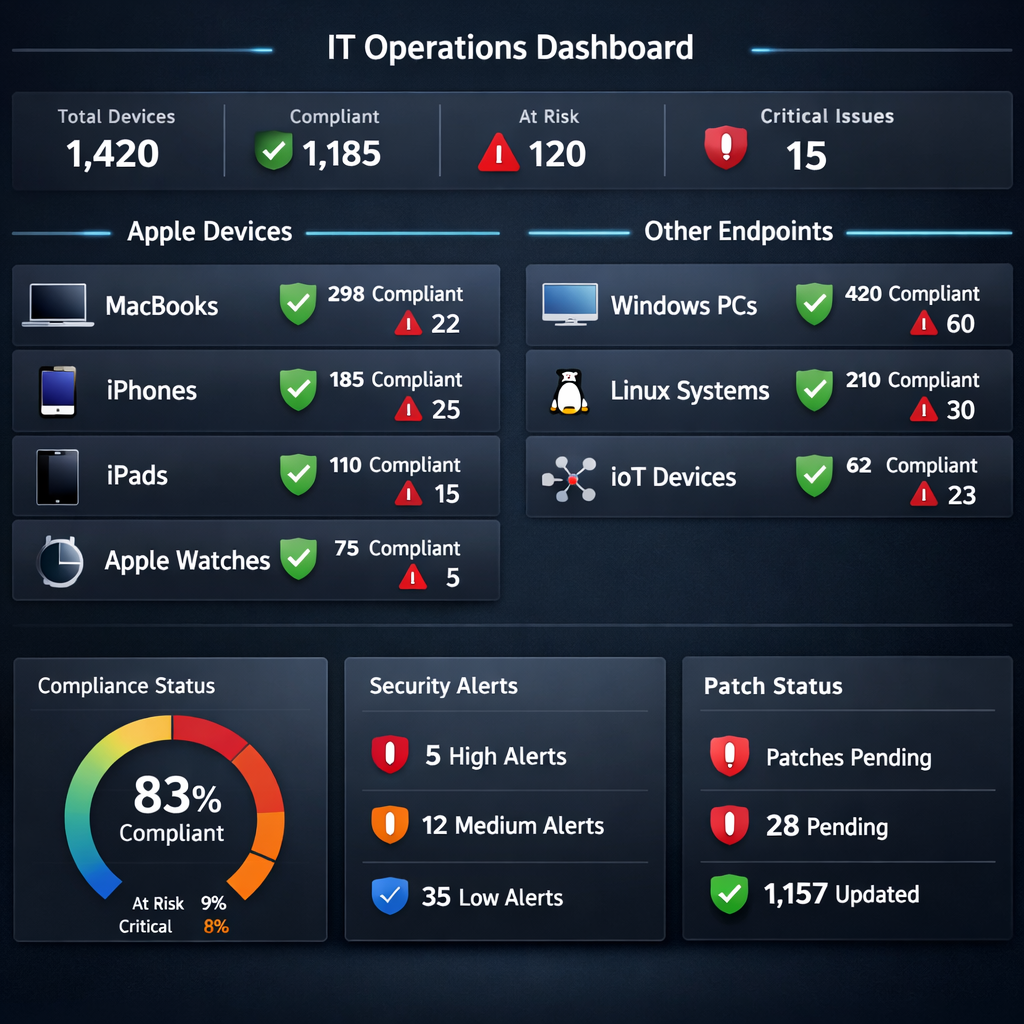
The second major update is that Datto RMM will gain a native Apple Mobile Device Management (MDM) capability. With this addition, MSPs will be able to enroll, configure, and roll out policies, apps, and remote actions for iPhones, iPads, and Macs directly from within Datto RMM. Devices can be enrolled individually or in bulk via Apple Business Manager, and will show up alongside other endpoints in dashboards and reports—removing the need for separate MDM tools and eliminating many of the blind spots caused by managing mobile Apple devices through disconnected platforms.
Why This Matters for MSPs and Regulated Industries
MSPs have long struggled with tool sprawl: juggling multiple platforms, each with its own user interface, policies, and visibility gaps. Mobile devices, especially Apple ones, often lie outside core RMM dashboards when using standalone MDM tools, adding complexity and raising security risks. These changes aim to collapse some of that complexity and help unified visibility across all managed devices.
Regulated industries are particularly affected. Changing laws and procurement requirements increasingly expect compliance with standards like FIPS 140-3, certification that encryption modules are independently validated, and consolidated management of devices and security policies. By offering native encryption and Apple MDM, Kaseya is widening the passport for MSPs to serve high-security clients who previously excluded those without such formal compliance features.
These enhancements were introduced at Kaseya’s Connect Edge virtual summit. Executives emphasize that operational efficiency and compliance should go hand in hand: the company’s goal is to reduce friction in areas such as reporting, audits, security policy deployment, and cross-platform visibility. With device enrollment, policy enforcement, and app deployment now handled in one place, MSPs are positioned to better monitor risks and respond quicker.
Still, there are unanswered questions. The rollout is set for early October, which means MSPs must prepare: training, migration plans, and internal audits may be required. Adoption timelines, feature refinement, and integration with other Kaseya tools will matter. Also, enabling cryptography by default is off; MSPs choosing to activate it will need to ensure that legacy workflows or integrations aren’t disrupted.
From a bigger picture perspective, these updates are part of a larger trend in MSP tools toward consolidation. Reducing the number of platforms and consoles doesn’t just streamline technician workload—it increases security posture. The move could also affect competition: vendors that lag in built-in compliance or native Apple support risk being shut out by enterprises who simply can’t take on unnecessary risk or complexity.
What to watch for: how well these features perform in real-world use, especially around bulk enrollment, policy consistency, and audit logging. Also, whether MSPs feel that deploying encryption and management capabilities impacts performance, cost, or existing toolsets. The real test will be whether this unified platform approach reduces overhead and brings in more clients from regulated verticals.