On November 16, 2026, attackers secretly injected malicious JavaScript into the Optimizely Web experimentation platform, compromising 178 prominent websites in a sweeping supply-chain assault. Organizations ranging from Zoom and CNN to IKEA, Equifax, and HSBC were affected. Security researchers confirmed that crypto assets were pilfered and traced to wallets under the attackers’ control.
How the Optimizely Snippet Was Weaponized
At the heart of the breach is Optimizely Web’s “snippet” code—served from cdn.optimizely.com. Each customer loads this JavaScript file, which contains Optimizely’s core code, their experiments, and a field called Project JavaScript. The attacker modified that field to inject a loader, leaving the rest of the snippet intact. Because the file was still served from Optimizely’s domain under its valid certificate, browsers and security tools continued to treat it as legitimate.
The loader created a script tag to pull a secondary payload called track.js from 1688360.cc. To evade detection, attackers used three variants: a basic script tag, a base64-encoded URL via atob(), and, in some cases, a fully inlined payload processed through eval if the domain was blocked. Even after some cleanup, reinfection occurred, showing persistent access. Sites serving the snippet from a custom domain were hit too, since the same Project JavaScript field was compromised.
What Was Stolen — and Who Was Targeted
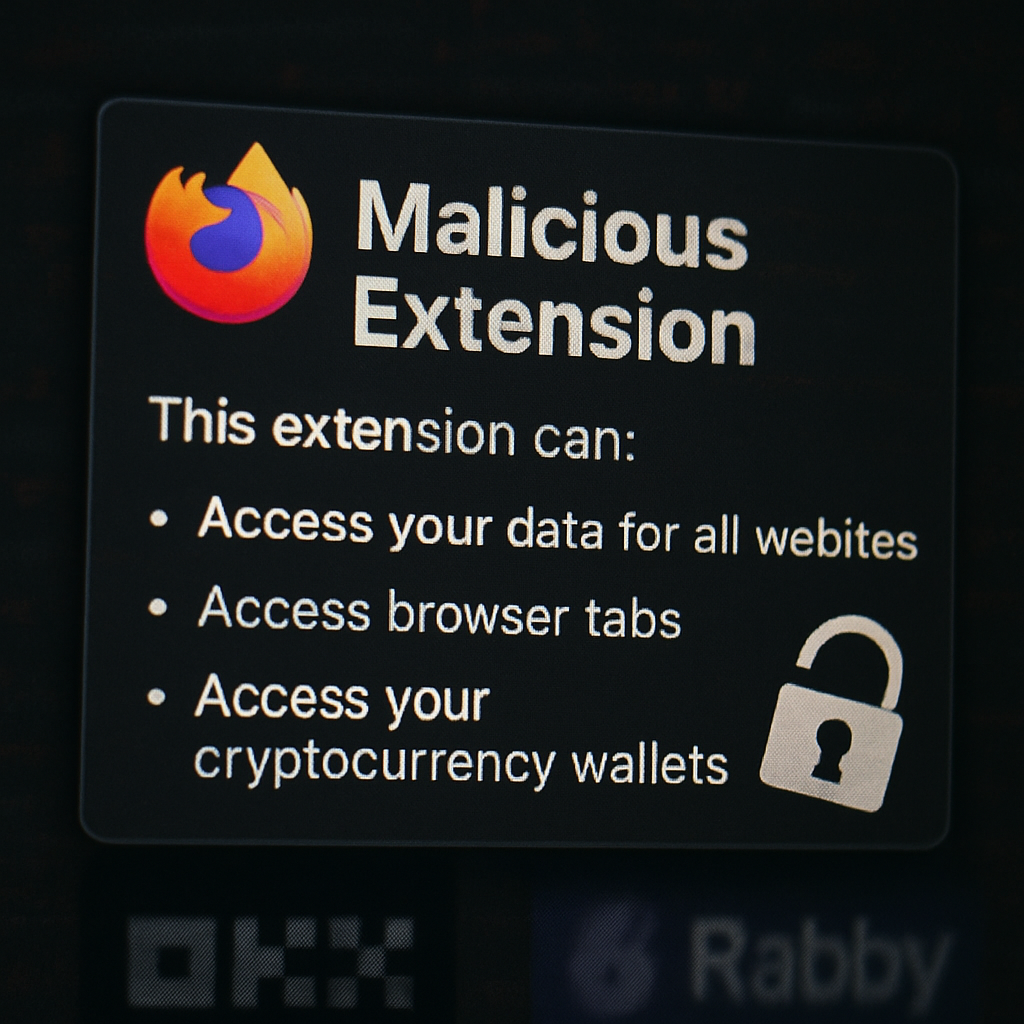
The attack was multi-faceted. It included a crypto clippers that scanned for wallet addresses on Bitcoin, Ethereum, TRON, Solana, TON, Litecoin, Bitcoin Cash, and Dogecoin. These addresses were replaced with attacker-controlled ones in text on pages, in clipboard contents, and in outgoing requests. By early evening UTC, approximately $7,040 in crypto had already been siphoned off. Payments were traced to exchanges shortly after.
Attackers also added a card-skimming module that captured credit card numbers, expiry dates, and CVVs—but only when users filled out native form fields. Hosted payment widgets, like Stripe or Adyen, remained unaffected. Additional theft vectors included sending page URLs, readable cookies, and screenshots via html2canvas to the attacker’s infrastructure.
On iPhones and iPads, the script detected the device’s iOS version. Devices running iOS 13-17 were served the Coruna exploit kit; those on iOS 18 got DarkSword; only fingerprinting occurred for devices on iOS 26. Coruna bundled 23 exploits across five complete exploit chains. DarkSword leveraged six vulnerabilities specific to iOS versions 18.4-18.7.
Indicators & Remediation
Researchers outlined domains and files to watch: 1688360.cc (which hosted track.js, card.php, hit.php), several .icu domains used for mobile routing or exploit payloads, and the SHA-256 hash for a recent version of track.js. Customer projects’ history logs can show when Project JavaScript fields were modified—whether via API or UI. Teams are urged to rotate tokens and credentials, review all user access, and inspect or remove any suspicious custom scripts.
Content Security Policy (CSP) made a difference: among infected sites that were reviewed, 68 had no CSP at all; just 24 fully blocked the malicious payload. Settings that allow ‘unsafe-eval’ or use ‘strict-dynamic’ permitted the attack to proceed. Users are advised to update to iOS 18.7.3 or later, or iOS 26.3 or later. Any credit card used on November 16, and secrets stored in non-HttpOnly cookies, should be considered potentially exposed.
Optimizely Response
Optimizely said it has contained the incident. The vulnerable attack path has been blocked, injected code removed, and affected customers contacted directly. Further status details are posted on their official status page.
This breach spotlights the acute danger of supply-chain attacks. When a single vendor’s trusted script is compromised, it can cascade across hundreds of websites instantly. Anything relying on third-party code, especially code that runs early and broadly like Optimizely’s snippet, is a potential vector. Businesses should audit all global scripts, tighten CSP policies, and treat any Field in platforms like Project JavaScript as high-risk. For users, this is a reminder to patch iOS promptly, review recent transactions, and use hosted payment widgets where possible—small steps that can ward off large downstream damage.