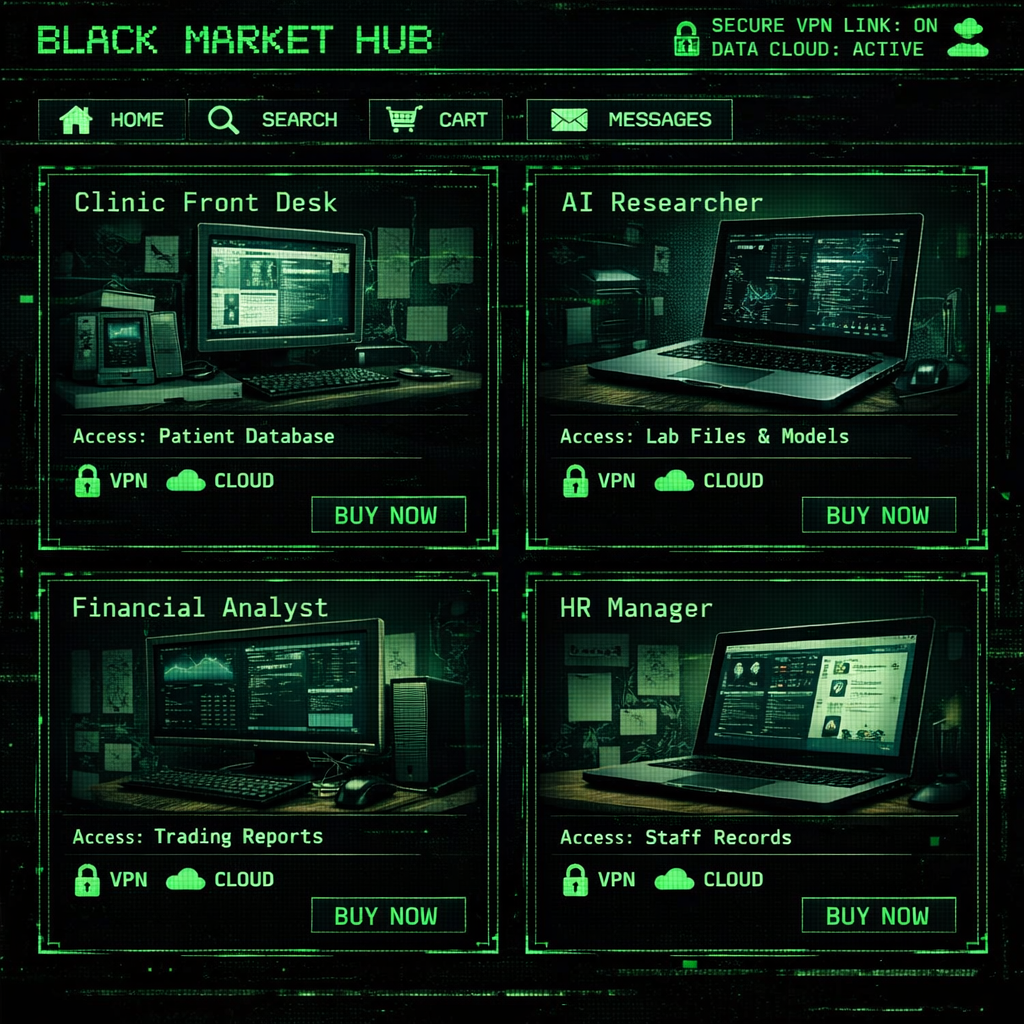
A newly discovered underground marketplace is reshaping how cybercriminals find and buy access to infected machines—especially those tied to corporate VPNs or cloud services. Rather than sifting through raw log files, this platform provides plain-language profiles for each compromised device, letting buyers search by country, operating system, or even price.
What’s New: Searchable Profiles of Infected Machines
The marketplace, advertised on a cybercrime forum on November 14, 2026, offers more than just dumps of stolen data. Compromised computers are presented with descriptive tags—for example, “defense contractor home PC” or “clinic front desk workstation”—that quickly indicate what kinds of access a buyer might get. Searches like “citrix access to healthcare provider” are now possible. Buyers can filter results by domain names, email addresses, or even cookies. Though each listing includes a “score,” the criteria for scoring remains unclear.
Stolen Data as Targeted Inventory
The core product sold here are “logs”—bundles of stolen credentials, browser cookies, and other sensitive files harvested via malware known as infostealers. Some samples featured machine profiles claiming Citrix VPN credentials, medical billing software, or API session tokens for AI tools. One listing advertised a Canadian clinic workstation for $10, with hundreds of cookies and multiple saved passwords. Another described a government employee’s family computer, while yet another claimed access tied to “valid Anthropic Claude API session tokens” on an AI researcher’s workstation. These claims aren’t independently verified, though analysts have matched some items to their existing datasets using identifiers like Firefox profile names.
New Risks for Defenders and Enterprises
By packaging context—like organization type, job role, or location—this service dramatically lowers the effort it takes for criminals to identify valuable targets. Defense researchers note that this approach resembles earlier markets like Genesis and others that let buyers filter by account type or geography. Session cookies, in particular, are especially dangerous: they can allow access without triggering multi-factor authentication.
Some red flags need perspective. Listings show asking prices, not actual sales. An item labeled ‘saved password’ doesn’t guarantee a valid, functioning login. And dates shown in logs denote when data was saved, not when a system was compromised. But taken together, these details increase the urgency for companies to proactively detect, respond, and tighten security.
Actions Companies Should Take Now
- Trace which of your accounts, roles, or systems appear in this marketplace—especially those tied to VPNs, cloud, or corporate networks.
- Recover from potential compromise by cleaning infected machines, resetting passwords from trusted devices, and revoking any active sessions or tokens.
- Monitor audit logs and sign-in records for unfamiliar access, domain changes, or suspicious activity.
This development matters because it shifts the balance in favor of attackers. The ability to search victims by role, location, or software access means that defense teams are being outpaced by automation. Organisations that don’t prioritize visibility—both of what credentials are exposed and where they’re used—are at a heightened risk of having VPN or cloud access sold before they even know they’re compromised. What to watch next: whether law enforcement disrupts this marketplace, how pricing evolves, and what defenses—especially zero trust and session monitoring—prove effective against this rising threat.