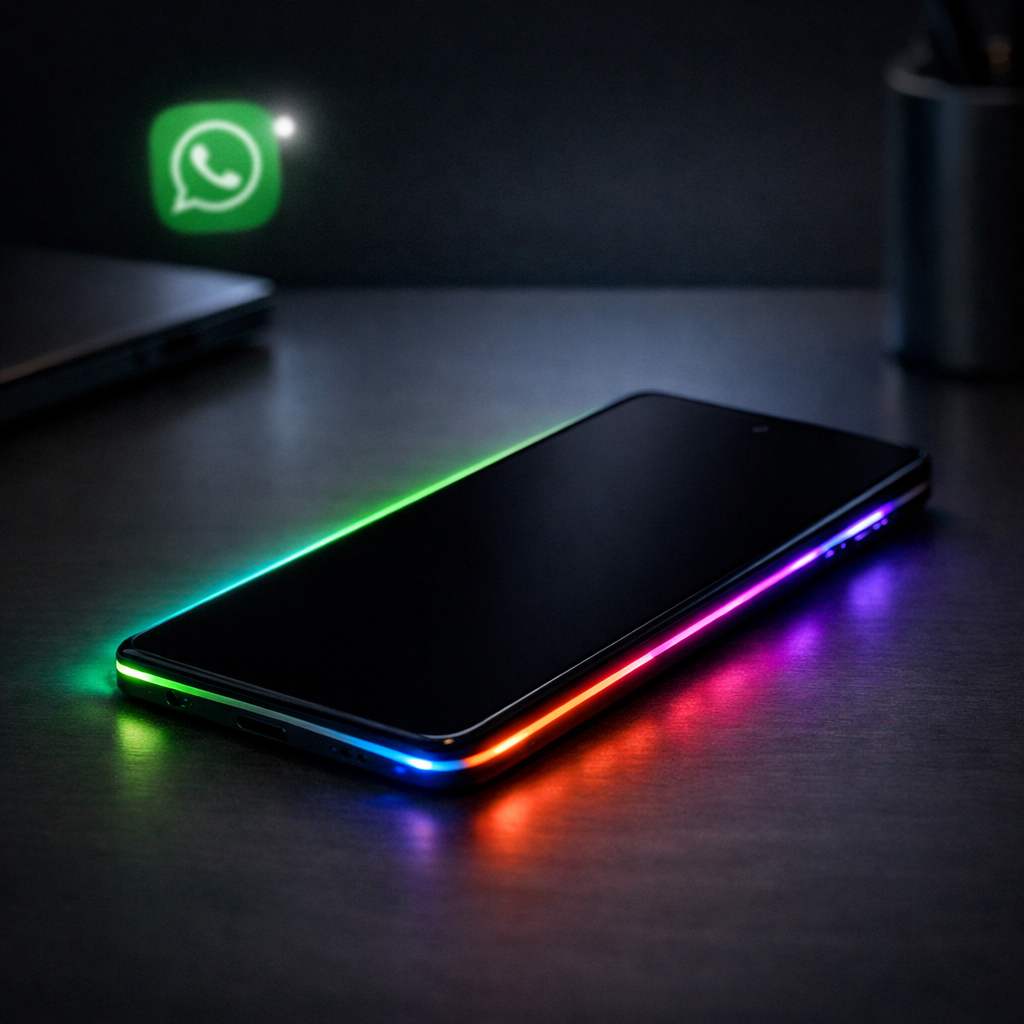
Google has expanded the Pixel 11 Pro’s HiLight feature to include WhatsApp messages. Originally, HiLight—which lets users assign special lighting colors for calls and messages from chosen contacts—only supported Google Messages. With the November 2026 Pixel Drop update, WhatsApp chat messages will now trigger HiLight just like WhatsApp calls already did, per a confirmation from Google’s product leadership.
The ability to set unique lighting alerts per contact came with HiLight’s beta testing back in September. Users could already personalize lighting triggers for messages and calls through Google Messages and for WhatsApp calls from launch. What’s new is that WhatsApp chat messages receive the same attention-grabbing glow.
When and how the update arrived
This enhancement rolled out as part of Android 17 QPR2, released with the November 2026 Pixel Drop. All Pixel 11 Pro devices are eligible. To use the expanded HiLight functionality, ensure your device has the latest system update installed. Once updated, pick a contact in HiLight settings and assign color lighting for both WhatsApp calls and messages.
Before this update, WhatsApp messaging didn’t trigger HiLight alerts—only phone calls and messages through SMS/RCS were supported. For users who rely heavily on WhatsApp, this fills a notable gap. The inclusion of messages aligns HiLight more closely with broader user expectations for unified notification control.
HiLight itself is a Pixel-exclusive feature that lets you pick contacts as VIPs and get custom LED-style lighting when they reach out. First introduced with the Pixel 11 Pro launch, it aimed to help users notice priority communications without pulling out their phone.
Why this update matters: It gives users more control over notifications, especially for those using WhatsApp as their primary messaging platform, which is common in many parts of the world. With this change, Pixel 11 Pro’s HiLight becomes more useful across both system and third-party messaging apps—further bridging the gap between how Android and competitors like Apple handle notifications and contact-specific alerts.