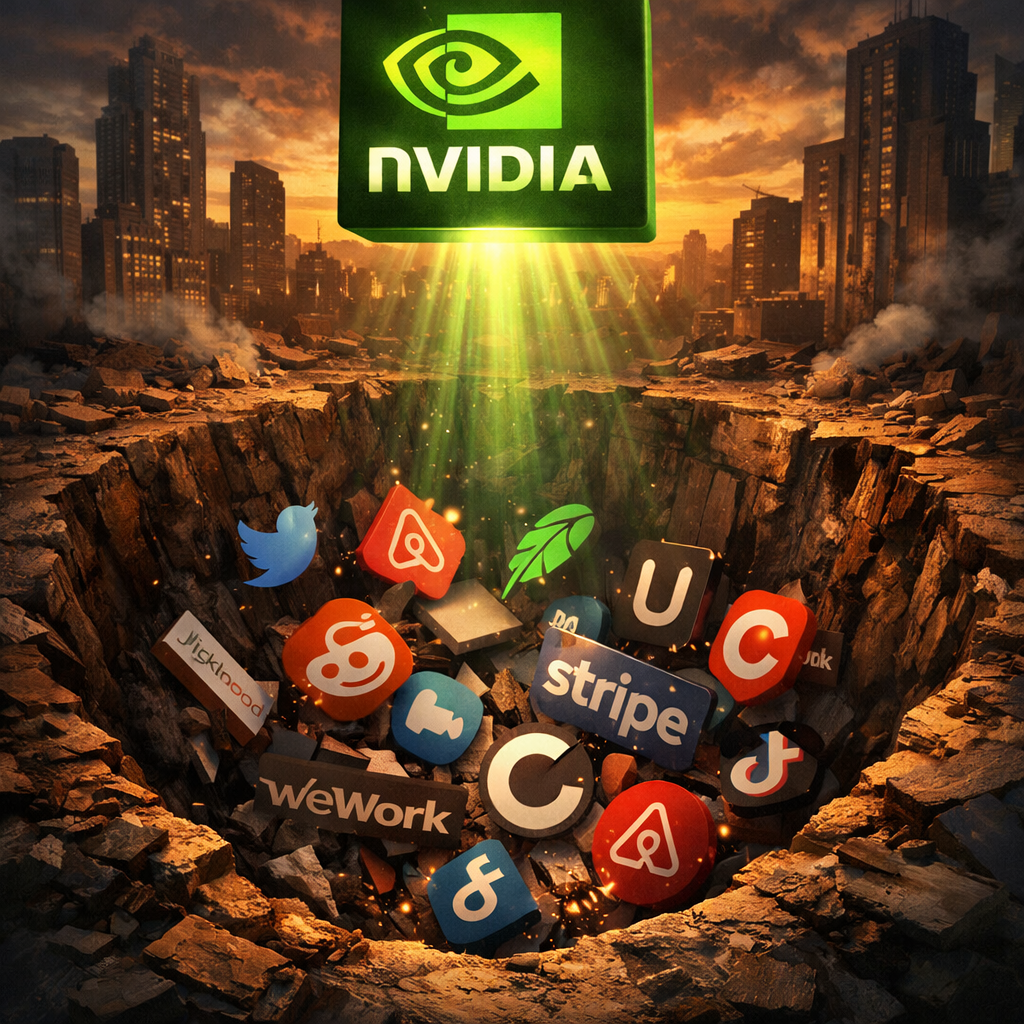
Jensen Huang’s resignation as Nvidia CEO after 33 years at the helm has left a major void in the AI startup funding landscape. Once one of the most active investors, Nvidia has backed over 100 startup rounds this year—often as lead investor. With Huang gone, both venture capitalists and startup founders anticipate sharp shifts in deal dynamics and valuation norms. The departure isn’t just a leadership change—it’s a moment that could redefine investment flows around AI infrastructure, open models, and edge compute.
What’s Different Without Huang
Under Huang, Nvidia funneled tens of billions into early-stage and infrastructure-heavy AI plays. From neoclouds and inference tools to open-weight models, the company provided essential financial support to capital-intensive sectors where traditional investors often pull back. Founders applaud the degree of risk Nvidia was willing to shoulder—shopping massive GPU deployments, for example, demanded huge upfront capital that many investors balked at without a heavyweight like Nvidia in the mix.
Nvidia’s track record includes deep investments such as its backing of CoreWeave when it was still private, participation in Crusoe rounds including a $1.4 billion Series E, and acquiring Hugging Face in a deal expected to close in 2027 for roughly $13 billion. The company also held major equity in AI infrastructure names like Mistral AI, Lambda, and Black Forest Labs, in many cases serving as the largest capital source. Under the previous structure, involving Nvidia was often seen as a signal of credibility—lifting valuations and attracting co-investors.
Uncertainty and Ecosystem Impacts
Colette Kress has taken over as interim CEO, and insiders expect her to steer Nvidia toward more conservative investment behavior. While no one’s expecting an immediate cut-off, there’s concern fewer early-stage startups will receive massive checks the way they did under Huang. If Nvidia pulls back, VCs believe this could depress valuations for companies to come.
Leaders in Europe and other less capital-rich regions are worried the effect will hit hardest outside the U.S. Nvidia’s global reach made it one of the few backers ready to commit large-scale capital across borders and infrastructure-heavy AI projects. Those ecosystems fear fundraising gaps will emerge—and that local investors might not easily step in.
Who Might Fill the Gap
Some expect that cloud providers and chipmakers will try to fill Nvidia’s shoes, particularly when it comes to more mature startups. Amazon, Microsoft, Google, and AMD may increase their participation in deals tied to accelerating adoption of their platforms or ecosystems. But several investors remain skeptical that they will match Nvidia’s past willingness to dump hundreds of millions into early-stage infrastructure plays with uncertain paths to revenue.
Nvidia’s former practice of investing huge sums—sometimes half of what infrastructure-heavy startups needed—created support structures that encouraged risk-taking and innovation. Without that, risk-averse VCs may demand higher proof points before committing capital.
There’s a consensus that while Nvidia’s pullback may slow parts of the AI momentum, it’s unlikely to stop the overall boom. Founders and VCs alike believe the broader ecosystem has become resilient—yet also more fragile. Huang was personally significant, but the talent, momentum, and competitive interest in AI infrastructure remain very real.
What This Means & What to Watch
Nvidia’s shift under new leadership may force early-stage startups—especially those building GPU-heavy infrastructure or open-weight models—to rethink funding strategies. Expect co-investment terms to become stricter, and valuations to moderate. Watch how competitors like AMD, cloud giants, or chip manufactures respond—whether they launch new programs to back risky infrastructure or instead double down on safer platform plays. The next few quarters will reveal whether Huang’s exit triggers a lasting funding contraction or just a reshaping of who leads it.