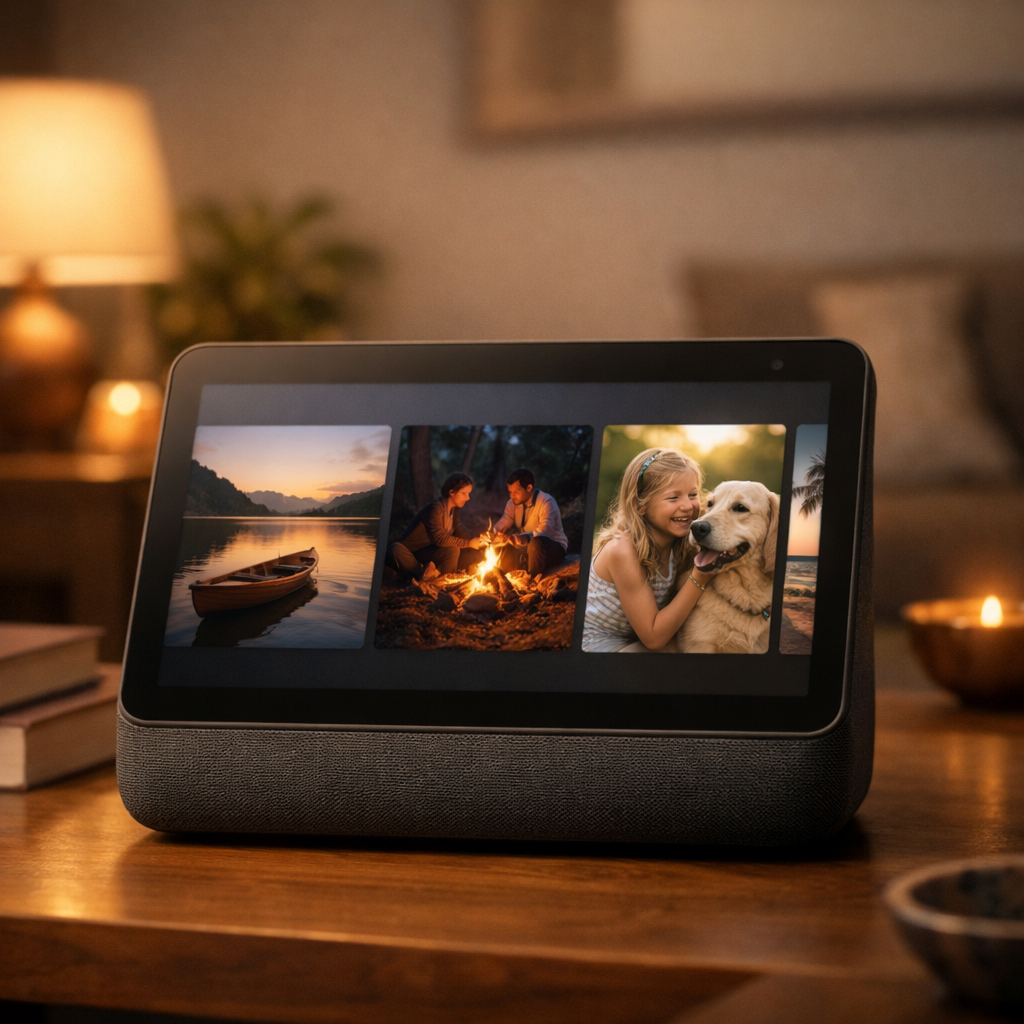
Apple’s new HomeView reflects years of work rooted in the company’s push to master shared home interfaces, combining voice, audio, display, and privacy in a device meant to belong in communal spaces. As HomeView begins shipping, Apple executives have opened up about the decisions and challenges that shaped its design — especially around Siri AI, hardware form, and user experience.
Where HomeView began
Behind HomeView lies a driving idea: creating a product that thrives in the chaos of real homes. Apple’s hardware engineering team prioritized building a device that understands movement and complexity, rather than sitting untouched on a tabletop. The goal was to make something deeply useful in moments when people are already juggling calendar events, reminders, or simply sharing photos — and to pack that usefulness into a simple, intuitive interface.
Crucial to this was ensuring that data stays personal and private. HomeView relies on your iPhone for storing personal information; when you move away carrying your phone, the device loses access to your data. Family album updates, for instance, are displayed in shared spaces once someone adds new photos, giving HomeView dual roles as a family hub and personalized assistant.
Crafting hardware and vocals
Apple centered HomeView’s design around Siri AI. Rather than retrofitting existing designs, the company embarked on an exploratory process with its Design Studio to define a form factor built for homes. Eventually, this led to the model’s distinctive wide rectangular shape — the decisions around screen aspect ratio then shaped speaker placement, usability, and interface layout.
On the audio front, HomeView uses a dual-zone setup: high-frequency speakers built into the display “head” and a weaker woofer in the base. The same audio strategy was adapted for the wall-mounted version of the device. Alongside audio, Apple pushed for its lowest-light product ever, able to dim down to 0.3 nits — a result of balancing visibility in darkness with low distraction.
Early impressions: promise + caveats
So far, reactions suggest HomeView delivers much of what Apple set out to build. Reviewers point to its potential as a centerpiece for home organization, family sharing, and voice-interactive tasks. At the same time, multiple first-generation limitations are evident — strengths in concept are sometimes undercut by rough edges in execution.
Still, Apple appears to have achieved something rare: a device that’s ambitious in scope but sensitive to daily life, privacy, and communal settings.
Analytical take: HomeView is more than just a smart display — it’s a statement about where Apple sees the future of home tech. By embedding Siri AI at the core and designing around family interaction and privacy, it’s challenging competitors that lean too heavily on cloud data or smartphone dependency. Going forward, what will matter is how quickly Apple refines those early weaknesses — in software, response, and integration — to match the high bar it has set. HomeView could redefine the smart hub, but only if the “first-gen” label becomes a stepping stone, not a ceiling.