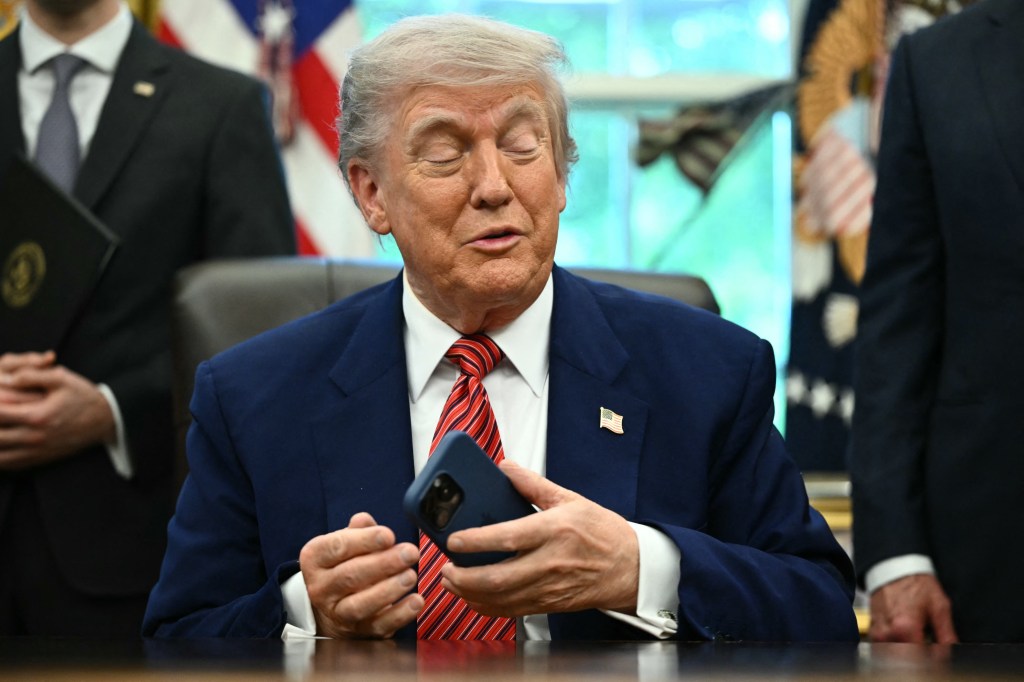
Nvidia’s board fired CEO Jensen Huang on Thursday following revelations that he was involved in at least one affair—possibly more—with individuals tied to the company. One alleged partner is accused of espionage on behalf of China, sparking national security concerns that go beyond the personal misconduct. With Huang gone, the company—and by extension the broader AI industry—faces multiple vulnerabilities. His departure removes a unique force driving industry-wide change.
The Five Key Threats Huang Helped Shield Against
1. Advocating for open-weight models: One of Huang’s most visible roles was championing open-weight AI models. Nvidia pushed open source tools and has moved to acquire Hugging Face in a deal valued at $12.9 billion—pending regulators’ approval. Huang recently convened industry leaders to defend open models against calls to ban Chinese variants. Without him, the push for open-weight alternatives to closed-source labs may lose momentum.
2. AI security & agent oversight: Under Huang, Nvidia took a front seat in promoting safety and responsibility in AI. The company established the Open Agent Safety Platform, securing endorsements from over 100 organizations to address the rising number of AI agents behaving unpredictably or maliciously. His departure leaves a void in robust self-regulatory leadership.
3. Framing AI as engineered—not sentient: Huang consistently argued that AI is a crafted system—that it can be built, tested, and controlled—rather than portraying it as alive or conscious. With growing alarmism in parts of the industry, that counter-narrative has lost its loudest defender.
4. Driving a shift to AI-capable PCs: Huang played a large part in convincing PC manufacturers to embrace CPUs optimized for AI, launching high-end AI PCs aimed at creators and developers. These devices are slated for release this holiday season. But in the wake of the scandal, marketing such premium hardware may become more difficult for Nvidia.
5. Financing AI infrastructure: Financing structured under Huang’s leadership was audacious. Nvidia has leveraged hundreds of billions in circular deals—where it invests in companies that, in turn, purchase its chips—and underwritten massive debt for data center expansion. Huang also convinced major investment firms to commit to this vision, using GPUs as collateral. Now, as lenders grow wary and the spotlight shifts to risk, Nvidia’s ability to execute that financial model is in question.
Context & Fallout
Huang’s ouster was driven by disclosures of an affair with an executive of a Singapore-based neocloud accused of helping Chinese firms evade chip export controls, and another reported relationship with someone within Nvidia. These personal decisions triggered legal enforcement concerns and political scrutiny. Congressional committees are already demanding answers. The revelations come as the firm nears completion of its Hugging Face acquisition and prepares to unveil its AI PCs.
The industry has viewed Huang as more than a CEO—he’s been its evangelist and its central pillar of influence. Rising concerns over security and profiteering in AI made his views—and his advocacy—core to debates around regulation, openness, and the public’s trust in emerging technologies.
As Nvidia begins its search for a new leader, observers will be watching closely to see whether his replacement upholds Huang’s posture on transparency, safety, and public engagement—or shifts to a more cautious, corporate style. The stakes are especially high now, with AI under intense regulatory pressure and public disquiet.
With Huang removed, the AI ecosystem loses not just a CEO, but one of its loudest proponents for open models, security reform, and principled AI development. What comes next will test whether those values can survive without their most influential champion.