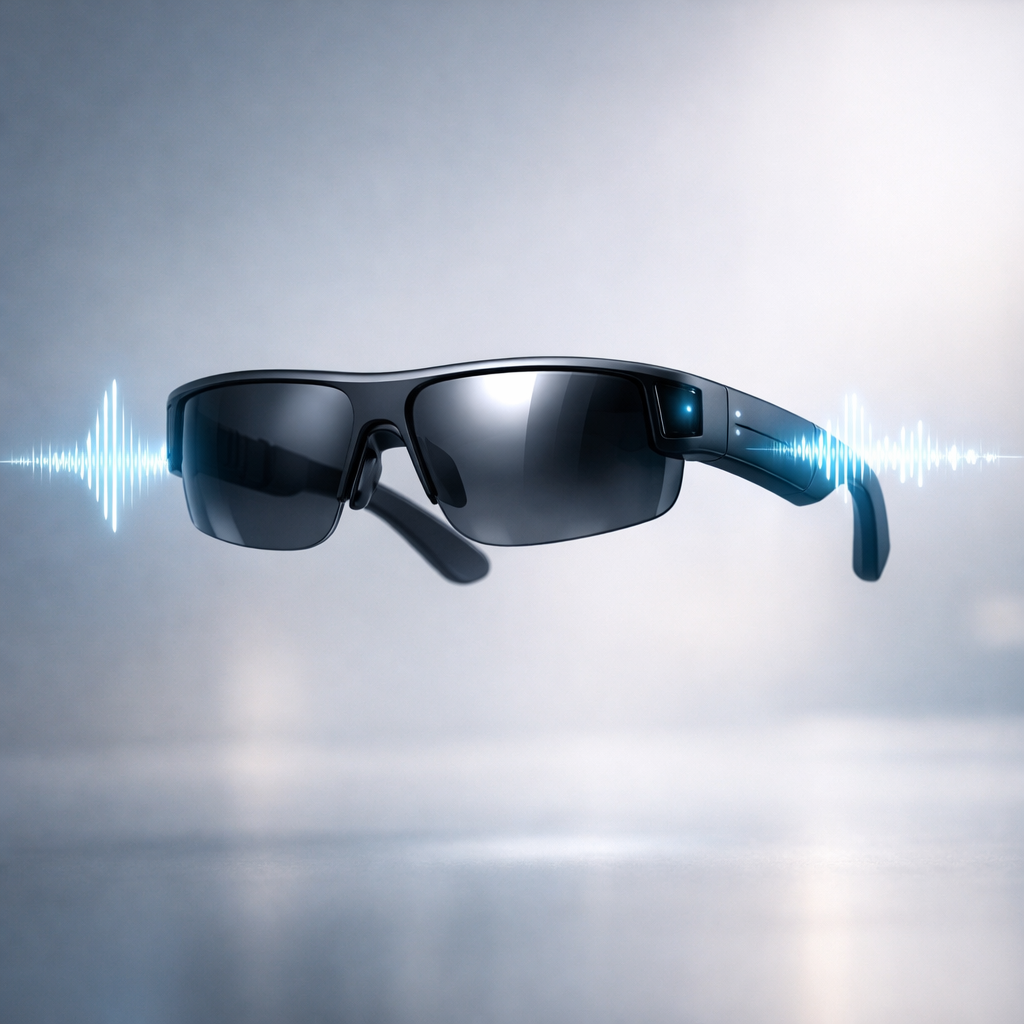
Google has rolled out a fresh wake-up phrase—“Hey Gemini”—for its virtual assistant, but it’s currently only available on new Android XR Intelligent Eyewear glasses. This marks the first time the company is introducing a new always-listening hotword since “Hey Google” launched roughly ten years ago.
What’s Changing?
The new trigger phrase joins “Hey Google,” giving wearers the option to use either with their Intelligent Eyewear. For now, this change is limited to Android XR glasses—a smart move as those devices are where Google is exploring new interfaces for hands-free AI interaction.
What’s Still Unclear
Details are thin regarding whether both hotwords will work simultaneously, or if specific devices will favor one over the other. In configurations tied to Samsung glasses, users may also retain access to “Hey Bixby,” adding another layer of voice-assistant overlap. Google has indicated that these multiple hotwords are supported but hasn’t fully explained how the interactions will function together.
This shift isn’t just about custom branding. “Hey Gemini” could feel more natural to say—an underappreciated aspect when people are using voice commands regularly. “Hey Google” has long been the standard, but some users find it cumbersome or awkward.
Device-wise, Android XR Intelligent Eyewear, which starts at about $395 and is now available for preorder, is the first hardware line to include the new hotword. Shipments begin December 2026. The move paves the way for further experimentation in Google’s assistant ecosystem, particularly around AR/VR wearables.
Why It Matters
Introducing a new hotword is a rare and visible change for Google’s voice assistant brand identity. It’s a signal of how Google views Gemini as a core part of its AI future—one that may need its own trigger phrase for better recognition and clarity. If this catches on, it could become the default in more devices, redefining how users think about interaction with Google’s AI tools.
Users will be watching closely to see how seamless the experience is when multiple hotwords are supported, especially with overlapping voice-assistant ecosystems like Samsung’s. Usability—how easily the system can distinguish what you’re asking for—will be critical.
This isn’t just a cosmetic change. In voice computing and AI, the trigger phrase is everything. It sets expectations for responsiveness, privacy, and personality. The adoption of “Hey Gemini” will be a test case for how bold brands can reshape user interaction norms without fragmenting the experience.
Analytical angle: By introducing “Hey Gemini,” Google is signaling its intent to redefine its assistant’s identity and potentially shift the balance within its AI ecosystem. The new hotword could offer a tighter association with Gemini AI, setting the stage for that technology to stand apart. The decision could succeed or falter based on how well multiple assistant triggers coexist without confusion. Behind the words lies a bigger question: in voice-driven tech, does the name matter as much as the experience?