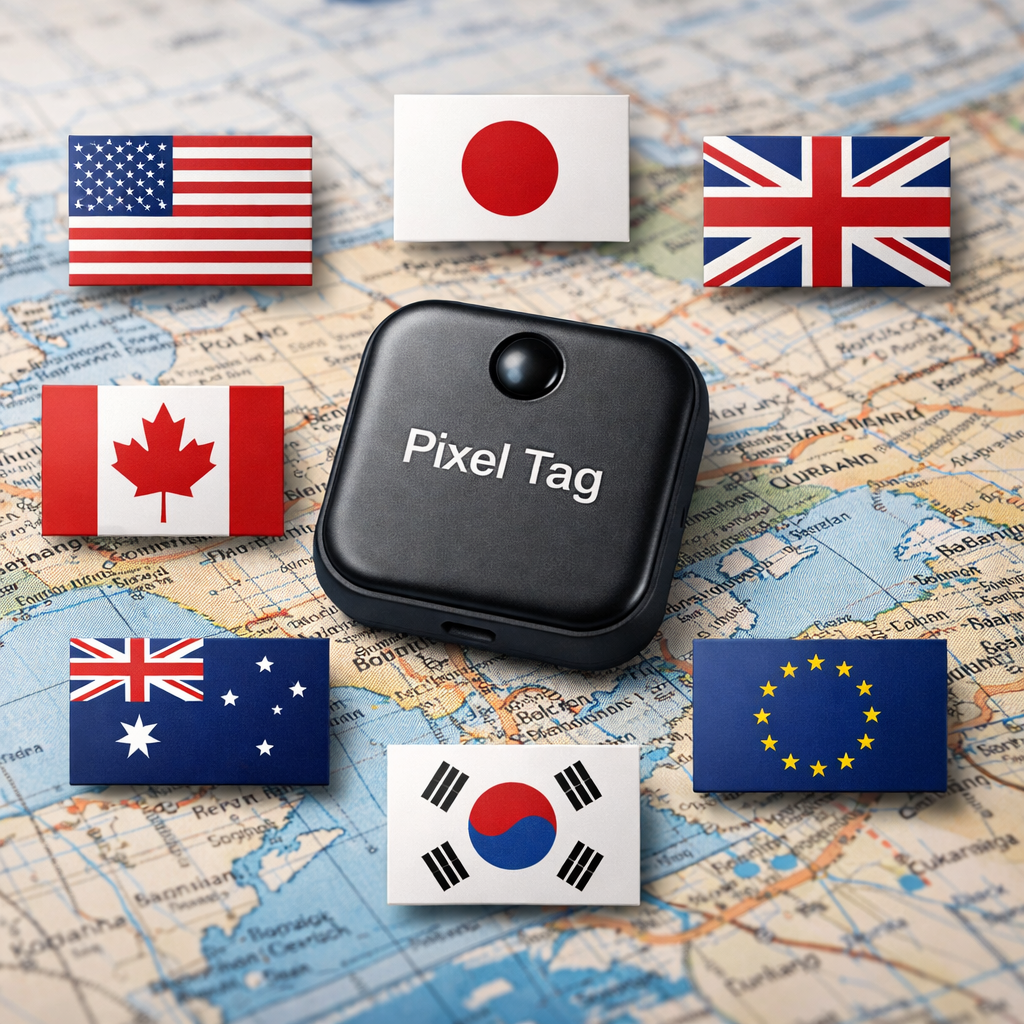
Google has officially launched its Pixel Tag tracker—its first Android Find Hub device—but it’s only available in a select group of eight countries. That list includes Australia, Canada, India, Japan, Singapore, Taiwan, the United Kingdom, and the United States (excluding Puerto Rico). The reveal came alongside the product’s support page live on Google’s site as of November 11, 2026 exclusively in those markets.
What’s Available (and What’s Missing)
Despite Google already offering its Pixel phones and Pixel Watch in many more territories, the Pixel Tag’s rollout is notably more limited. While only those eight countries are officially supported for sales and warranty, people outside those regions might still use the tracker—especially while travelling. However, outside purchases may come without warranty protection or access to authorized sellers.
Perhaps most conspicuous is Google’s absence in continental Europe (excluding the UK). With the rest of the European Union missing from the list, many potential buyers in that region will likely have to wait until Google expands its offerings.
What This Means for Buyers
If you live in one of the supported countries, you can now order the Pixel Tag from Google’s official Store or via Amazon, with full support and warranty. Buyers in countries not listed should be aware that while basic functionality might work, the device won’t be officially sold there and may not be covered by Google’s warranty if bought through unofficial channels.
Google’s launch approach suggests the company is prioritizing oversight on shipment, support, and legal compliance. Country-by-country rollouts are typical for hardware with wireless communication and tracking features, given complexity around regulations, supply chain, and after-sales service.
This situation could evolve—as with many early rollouts, further markets are likely to be added over time. But for now, those outside the eight-country list have no guaranteed access.
The Bigger Picture: This launch highlights Google’s cautious entry into a competitive tracking market dominated by Apple’s AirTag and Samsung’s Galaxy SmartTag. By limiting initial availability, Google can address regional regulatory hurdles, logistical challenges, and ensure service quality—while gauging consumer response. Moving forward, how swiftly Google scales into new markets and handles cross-border support and warranty issues will be key for buyers and its global strategy alike.