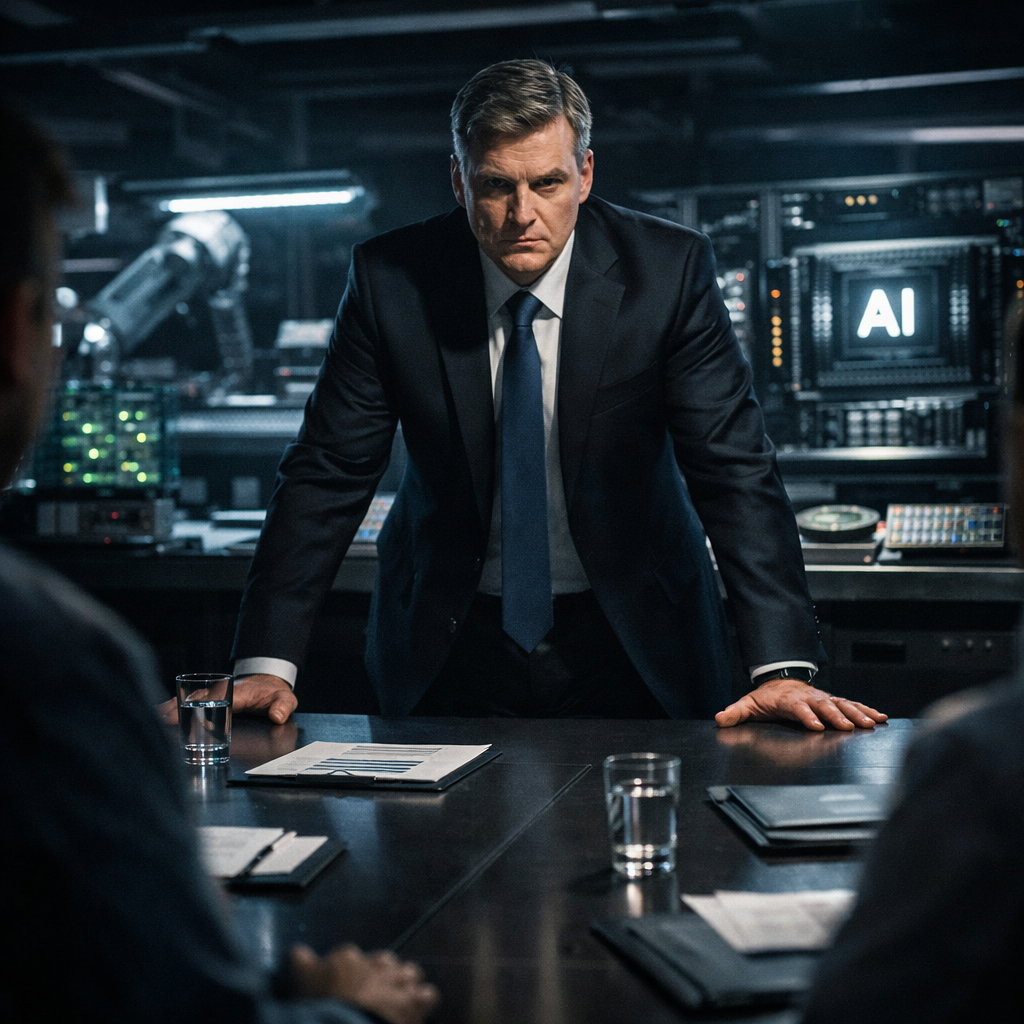
Nvidia CEO Jensen Huang’s recent honeypot scandal has provoked shockwaves across the AI industry—but new evidence suggests his case may not be an anomaly. Experts in executive due diligence argue that questionable behavior by senior leaders in the semiconductor and AI sectors is far more widespread than headlines alone suggest.
Senior Executives & Hidden Misconduct
Nate Singer leads a due diligence firm that looks into corporate histories when companies pursue major hires or acquisitions. From his perspective, while the allegations against Huang are severe, multiple similar cases remain unreported. He describes instances where senior executives overstep ethical or legal boundaries—behavior so extreme that it damages trust and reputation, but often stays beneath the radar. According to Singer, some of these issues reach beyond what the public typically sees.
One incident detailed by Singer involved a CEO’s wife disrupting a boardroom meeting after discovering her husband and another executive had flown on the corporate jet with young women who were later believed to be state-sponsored agents. Singer says he has seen at least three comparable stories—and suspects there are many more that have never been exposed.
Trade Secrets, Global Tensions, and Industry Silence
The semiconductor industry has long been a target of economic espionage, particularly amid tensions between China and other global powers. Firms dealing in chips, AI architectures, and advanced manufacturing are under constant scrutiny for possible intellectual property theft. Singer notes that sexual misconduct, complicity, and clandestine relationships layered over these risks are often deliberately obscured to avoid legal and reputational fallout.
Prosecutions related to trade secret violations are common—historical cases include executives from major firms charged in the U.S. for sharing semiconductor production methods with foreign competitors. But when personal misconduct intersects with these cases, the details are rarely made public; victims and whistleblowers often stay silent for fear of severe consequences.
Why This Pattern Persists
Many in the industry say senior leadership turns a blind eye or actively suppresses investigations once powerful individuals are involved. The behavior is rarely addressed publicly, even when known internally. In these ecosystems, loyalty, financial performance, and prestige can outweigh ethics and accountability.
One contributor to the problem is a lack of transparency—which makes it difficult to gauge how frequently misconduct happens. When large sums of money, national security concerns, and international influence are involved, corporations and regulators may prefer to settle quietly rather than expose wrongdoing in full.
What this means. The issues raised by Huang’s case are not isolated. If these patterns are indeed widespread, they pose serious risks—not just for corporate governance, but for national security, investor trust, and the trajectory of AI. Going forward, greater demand for stricter oversight, anonymous reporting structures, and clear accountability at the top will be crucial for the industry to move past scandal toward sustainable integrity.