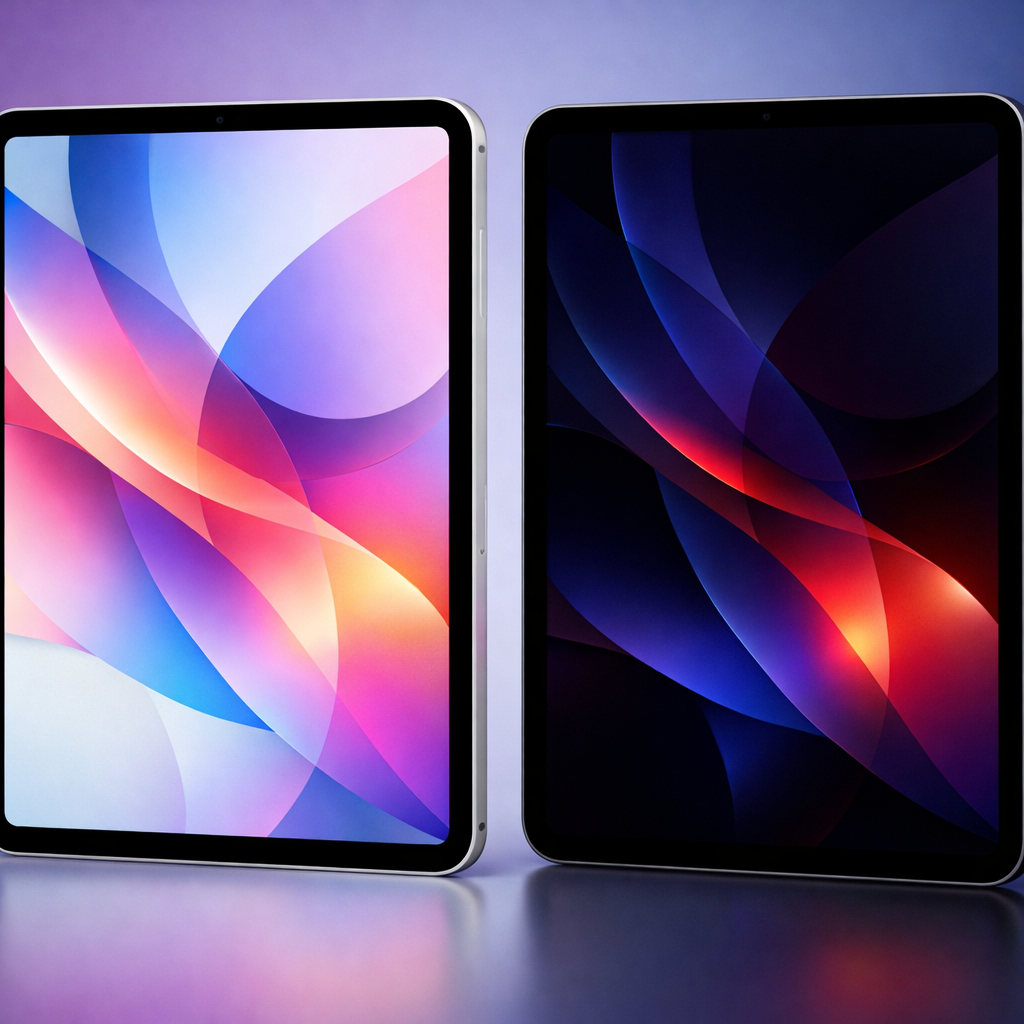
Apple is planning to overhaul the iPad Air lineup by replacing the current LCD displays with OLED panels across both size models, targeting a rollout in the first half of 2027. These upgrades reflect the company’s push toward modern display technologies, following OLED adoption earlier this year in the iPad Pro and the newly launched 8.5-inch iPad mini.
Supply Chain and Panel Sourcing
Samsung Display is expected to supply the majority of OLED screens for the new iPad Air units. Meanwhile, BOE is reportedly pursuing orders for the smaller size model but still needs to earn qualification to become an official supplier. If BOE succeeds with the iPad Air and continues supplying the iPad mini, Samsung could emerge as Apple’s largest OLED panel provider across iPad models, though LG Display is expected to remain the leader for the iPad Pro panels.
Specs, Shipments, and Display Tech Trade-Offs
Industry analysts estimate that in 2027 Apple will ship between 4 million and 5 million iPad Air units and a similar volume of iPad minis, with iPad Pro shipments expected at 3 to 4 million. These figures for the Pro fall notably short of earlier targets that approached 10 million units annually, a discrepancy that may be driven by pricing pressures.
The OLED iPad Air is expected to employ a single-stack OLED structure with an LTPS (low-temperature polycrystalline silicon) backplane, matching the display tech used in the iPad mini. In contrast, the iPad Pro utilizes a more advanced dual-stack OLED configuration paired with LTPO (low-temperature polycrystalline oxide), enabling variable refresh rates (from 10Hz up to 120Hz) and improved power efficiency. For the new Air models, the report suggests Apple will retain a standard 60Hz refresh rate, reserving the ProMotion tech for its more premium iPad Pro line.
The expected timeline aligns with previous reporting that first placed Apple’s OLED Air plans solidly in early 2027. The transition marks the iPad Air’s shift toward parity with higher-end models in display quality, even though it may not match the full suite of premium Pro features.
For context, Apple first brought OLED to the iPad Pro in 2024, and most recently introduced an OLED iPad mini earlier this November. The move to OLED for the Air line signals Apple’s commitment to extending display upgrades beyond its premium tiers.
This development appears driven by both competitive display standards across tablets and declining costs of OLED panel technology. As consumers increasingly expect richer contrast, deeper blacks, and better power efficiencies, especially for content consumption and creative work, even mid-level tablets like the iPad Air are being pushed to keep up. But the decision to omit variable refresh rates suggests Apple will continue its tiered strategy: giving ProMotion to Pro models enhances differentiation. What to watch: quality and brightness of the OLED panels, BOE’s success in qualification, and how much the new display bumps up the Air’s price. Also key will be whether supply constraints or component costs might delay or shrink shipment volumes relative to forecasts for 2027.