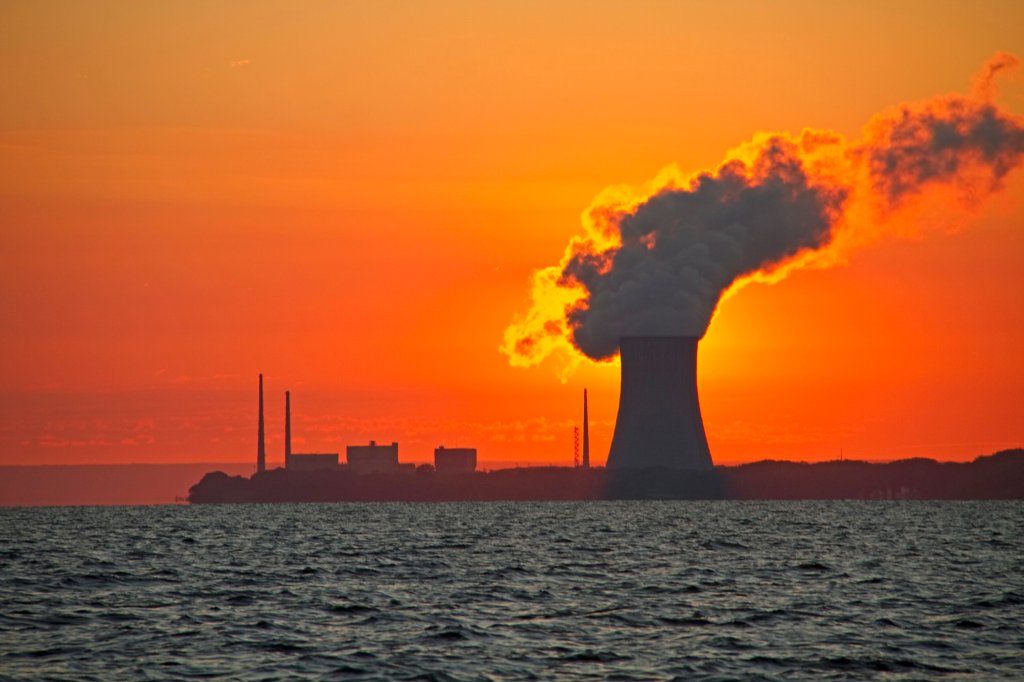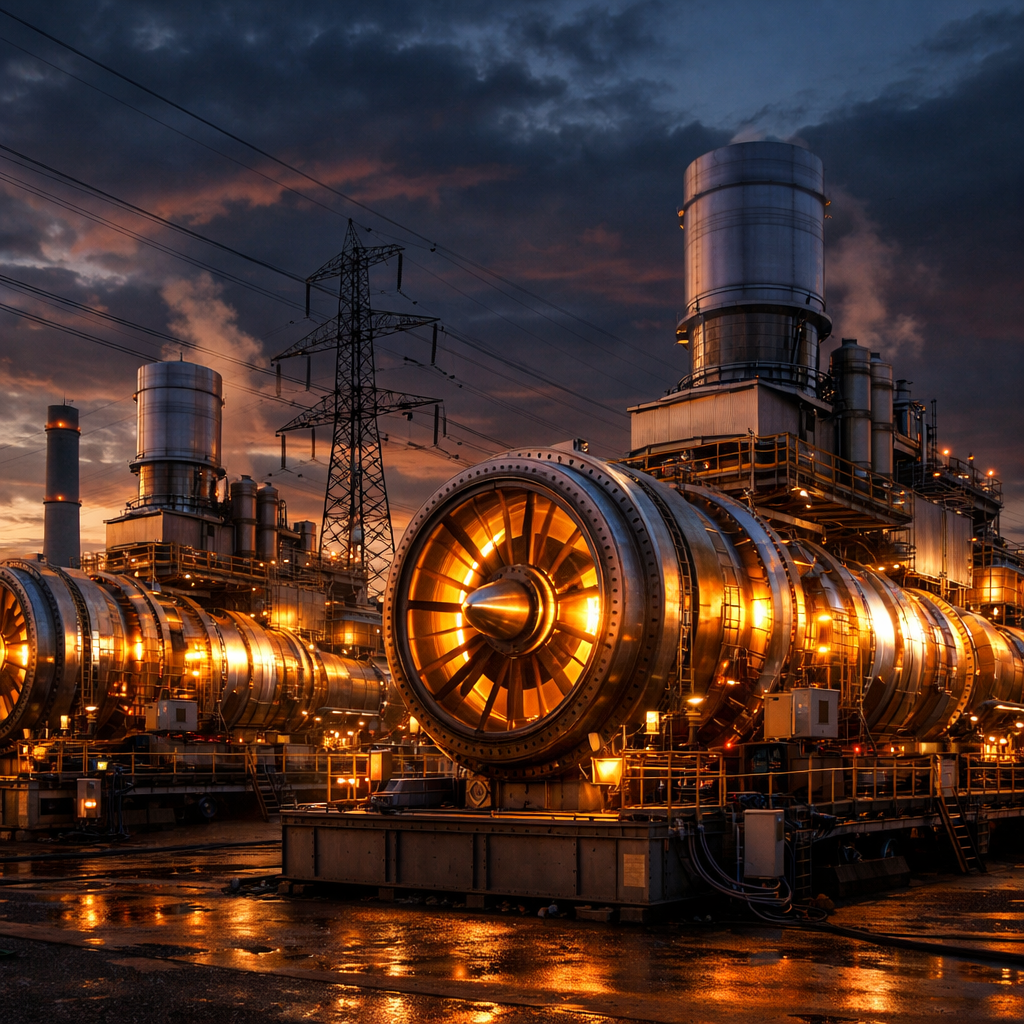
Facing a growing power crunch, AI startup Anthropic is investing $3.4 billion in natural gas turbines. The company is purchasing units from Caterpillar—generators originally ordered by supplier OnePWR—with the capacity to generate up to 1.7 gigawatts of electricity. This marks a major shift for a firm that has mostly avoided owning infrastructure.
Historically, Anthropic has leaned on rented computing capacity. In its S-1 filing earlier this year, the startup disclosed paying $1.25 billion monthly through May 2029 to use computing power from xAI, a SpaceX subsidiary. In that same filing, the company said it expected to strike similar rental deals in the future.
But as demand for AI compute grows, power supply uncertainty is becoming a pressing issue. Natural gas turbine lead times stretch into the early 2030s, while connecting to utility-grade electrical grids is bogged down by long wait times. It appears Anthropic is treating this move as a safeguard against growing power scarcity.
Why the Switch to Owning Power Infrastructure?
The turbines Anthropic is acquiring were initially ordered by OnePWR years ago, but financial troubles left the supplier unable to complete the purchase. Anthropic, which had intended to buy from OnePWR, ended up going directly to Caterpillar. That suggests the company is keen to insulate itself from competitors snapping up critical capacity.
The move puts Anthropic in league with other Big Tech firms that are following a similar path. Google, Amazon, Microsoft, and Meta have all announced plans to build large natural gas–fueled power plants on their campuses rather than relying on the public grid. These companies argue that owning power infrastructure helps ensure reliability. But it also increases exposure to volatile fuel prices and environmental scrutiny.
Broader Impacts and Risks
This trend is giving U.S. fracking operations a boost, since extracting natural gas is essential for fueling these turbines. Projections indicate that if the ongoing buildouts continue, U.S. data centers could end up consuming more natural gas annually than Germany and Japan combined by 2035.
However, dependence on gas comes with trade-offs. Prices are expected to surge in some regions—possibly tripling by the end of the decade. For companies like Anthropic, steep fuel costs or maintenance and operational burdens could turn a strategic investment into a liability.
Anthropic has hinted that this turbine purchase is likely a last-resort strategy, borne out of necessity more than preference. With compute demand growing rapidly and power uncertainty rising, owning its own generators might offer the control the company needs to scale safely.
What this means, why it matters: Anthropic’s commitment to physical power infrastructure signals a broader inflection point for the AI industry, where energy is becoming as strategic as algorithms or models. Investors, regulators, and competitors should watch whether this trend solidifies—even at steep environmental and economic cost. As power becomes a chokepoint, the companies that can build or secure reliable energy sources could define who wins in AI’s next chapter.