Uber has officially launched its new parking reservation service across 15 major U.S. cities, integrating the assets acquired through its February purchase of the parking app SpotHero. The tightly-and-long rumored service lets drivers reserve and prepay for parking spots—including surface lots, garages, and valet—throughout cities like Los Angeles, New York City, Chicago, Seattle, and more. It’s part of Uber’s broader push to become a one-stop platform for commuting.
How Uber Parking Works
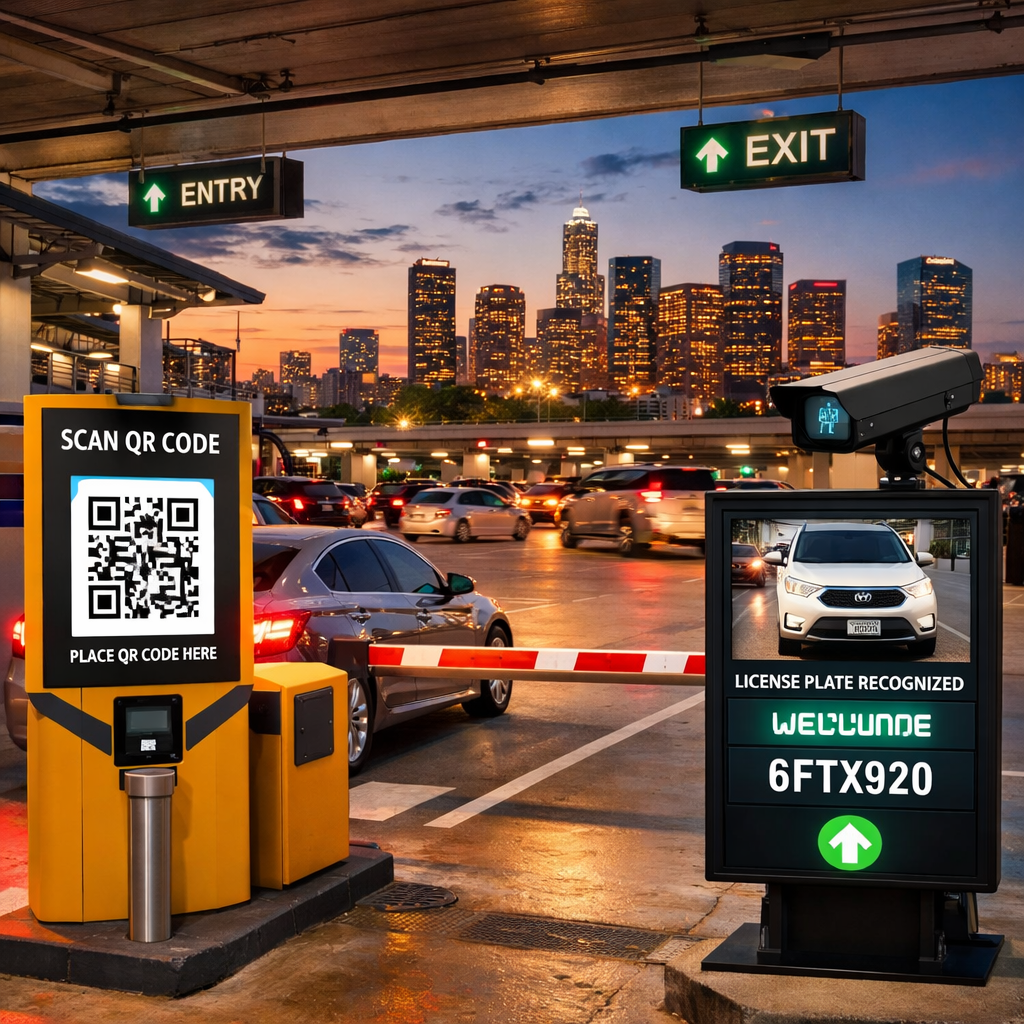
Within the Uber app, users can now search for parking by entering a destination, selecting dates and times, and viewing options overlaid on an interactive map. Filters let people choose between self-parking, valet, garages, or lots. Prices are shown upfront. Once a spot is booked via Uber Wallet, entry is handled via QR codes or license plate recognition. Importantly, there’s no penalty for cancellations made before the start of the reservation. Uber One subscription members get additional perks, like earning 10% back in credits on eligible parking reservations—which can apply toward Uber rides or Uber Eats orders. As of late September, Uber One had over 55 million members.
Why This Matters: From SpotHero to Robotaxis
Uber’s SpotHero acquisition gives it access to a vast parking network—roughly 13,000 garages, lots, and valet locations across more than 400 U.S. cities. The parking offering targets commuters who still drive themselves, but Uber is also setting its sights higher: using these locations as staging or waiting zones for autonomous vehicle fleets. By placing robotaxis or AVs in nearby parking when demand is low, Uber aims to reduce “deadheading” (vehicles driving empty) and ease congestion on city streets.
This move ties into Uber’s broader strategy. The company has been layering services—rides, food delivery, grocery, micromobility, transit partnerships—to become an ecosystem for urban mobility. The parking service complements that by filling a gap often faced by drivers, especially commuters, while setting the foundation for the autonomous future Uber is pursuing. Uber CEO Dara Khosrowshahi has emphasized commuters as a priority, and this new feature allows users to mix ride-hailing, parking, and even options like commuter passes in a more integrated way.
Uber’s foray into curated parking in its home app dovetails with global trends: mobility providers branching into infrastructure control to smooth the edges of their services. By handling parking, Uber captures revenue Uber didn’t control before, and builds logistical capacity that could give it an edge when robotaxis and AVs scale up.
Even so, several variables remain: how well Uber can scale this service beyond the 15 launch cities, whether rates prove competitive, and how local regulations may affect deploying AVs into waiting or staging lots. Also, customer experience in entering lots via QR or license plate ID will have to be smooth to gain trust and repeat use.
What this means: Uber isn’t just expanding vertically—it’s beginning to horizontally extend its grip over key real-world infrastructure related to vehicle usage. By moving into parking, it’s not just grabbing another revenue stream, but anchoring its transportation ecosystem in tangible real estate. Observers should watch how this new service performs in user adoption and whether its AV partnerships start using those parking assets—if that happens, it could reshape how we think about car ownership, empty rides, and city traffic flows.