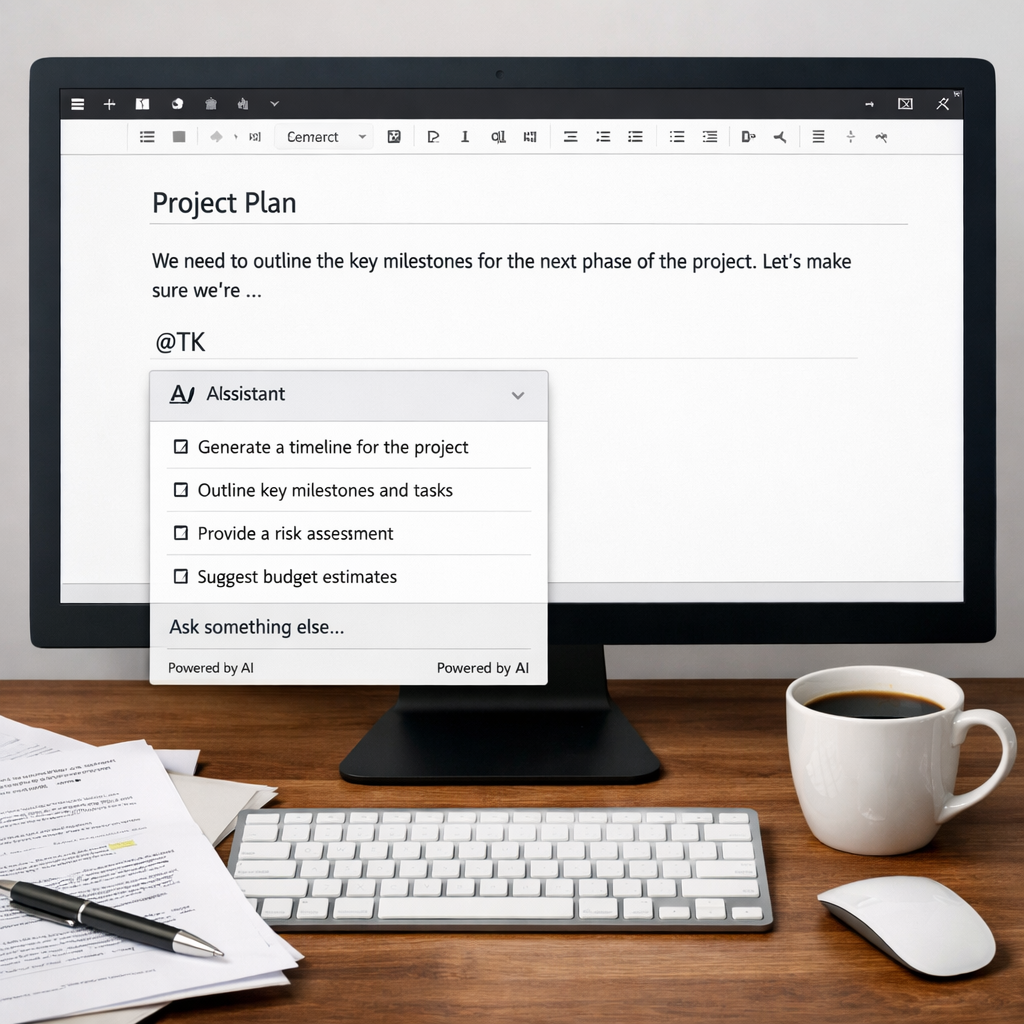
Medium has rolled out its newest app, TK, designed to integrate artificial intelligence directly into the writing process. Officially launching today, TK allows writers to prompt assistance right inside the editor using “@TK” and a request—eliminating the need for switching tabs or managing separate apps when doing research or drafting content. The tool can draw from a user’s previously saved ideas, address factual queries, and offer suggestions aligned with Medium’s publication standards.
How TK Works
The name “TK” is borrowed from journalism tradition, where “TK” stands in for “to come”—a placeholder used when information is yet to be added. In this app, that placeholder becomes an actual helper. Users can type “@TK” followed by prompts like “how many days are in June” or “suggest headline for this draft,” and TK will generate answers or feedback directly in the editor. The assistant also supports skills tailored for editorial polish and headline coaching, aiming to match each writer’s tone and intent.
Beyond answering questions, TK can access earlier writing that had been stored while developing ideas. It also proposes writing prompts, helps organize drafts, and includes an optional feature to connect with external AI tools like Claude or a personal AI agent via TK’s MCP server. These integrations allow the app to learn user preferences, remember ongoing projects, and provide more context-aware feedback.
Publishing Transparency & Access
Medium acknowledges concerns over AI’s role in content creation—specifically regarding originality, quality, and credit. To address these, TK lets authors publish notes that explain where AI was used, including details about prompts and source materials. This transparency is intended to help readers trace the origins and influences behind each piece of writing.
At launch, TK is a web app with plans for a desktop version later. It supports importing and exporting in Markdown format, though it isn’t a full Markdown editor. The collaborative nature of the tool means writing isn’t encrypted, but access controls allow writers to set permissions for who can view or edit their work. TK will be free for anyone with a Medium account.
This rollout comes amid broader debates in publishing and literature about using AI to write—not just edit or proofread—and whether AI-generated content should be judged, awarded, or published differently. While some authors have lost book deals over alleged AI use, even literary awards are facing scrutiny. Medium takes a position that AI doesn’t diminish the value of writing; it believes instead that AI amplifies human thought, using the written word as its foundation.
Today’s release of TK marks a significant step in how writers interact with AI, embedding assistance into every stage of their creative process rather than keeping it separate or behind the scenes.
Why it matters: As AI reshapes content creation, tools like TK that combine editorial feedback, creativity prompts, and transparency could redefine author-reader trust. For writers, this could mean a shift toward more interactive, AI-enhanced workflows. What to watch: how TK’s openness around provenance stands up in real use, whether it gains acceptance among professional writers, and how it influences industry standards for AI attribution.