Apple has zeroed in on the root cause of the iPhone Duo’s hinge problems—and it’s not what many feared. Instead of an engineering or design fault, the source of the issue appears to be low-quality materials supplied for a specific hinge component, sourced from two separate vendors.
The iPhone Duo’s hinge has been under fire since launch. Users and teardown testers noticed that the display screen frequently fails at the center crease—the exact spot where two halves of a folding phone meet—and many assumed the fault was in the hinge design itself.
Material, Not Mechanics
New evidence from leaks, including posts by a Chinese insider shared via Ice Universe, reveals the hinge failures are linked to subpar materials used for a component inside the hinge mechanism. Two suppliers supplied the same component, and at least one batch of these appears to be defective. Part numbers or serial numbers for certain units can identify affected devices.
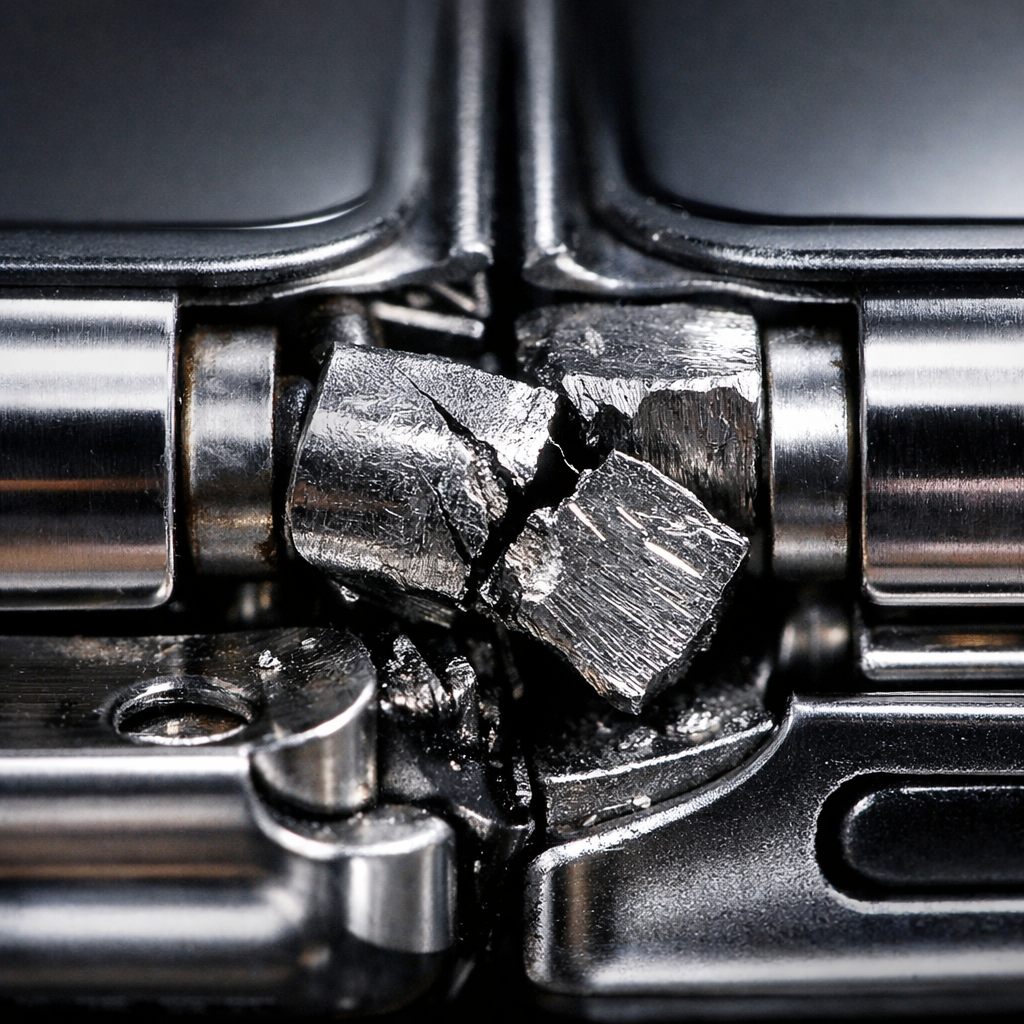
A YouTuber’s forensic teardown confirmed that one of the hinge components had sheared completely, causing the screen failure. Such catastrophic failure points to material fatigue or structural weakness, not design miscalculations per se.
Design Still Intact—With Fixes Needed
While an official statement from one of the hinge makers denied responsibility, the material evidence suggests otherwise. The geometry and mechanics of the hinge still appear sound—the failure is happening because some supplied parts don’t match the required material strength.
Apple now has a tool to trace defected devices via serial numbers, but it’s unclear if any recall or free replacement program is in the works.
This problem is embarrassing for Apple, especially since the Duo represents the company’s highest-profile device launch this year. Uncovering the issue early helps—but so does transparency with users. Many defects were flagged in teardowns and social media reports, all pointing to that central crease issue in varying units.
What this means: The issue doesn’t seem to be fundamental to the Duo’s foldable architecture or hinge design. Instead, it’s a quality control breakdown. A flawed component—hopefully in limited batches—has undermined performance where precision materials are vital.
Going forward, Apple’s reputation hinges (literally and figuratively) on how it handles these material failures. Will it issue a recall for affected serials, update suppliers, or improve QA processes? For users who’ve experienced hinge failures, proof of serial-based identification may offer a path to resolution—but much depends on Apple’s response.
Why it matters: The foldable phone market prizes durability. A hinge failure—not a design misstep—means Apple can still preserve its engineering stamp, but faces pressure to ensure supplier material integrity. How the company fixes this could set precedents for foldable phone standards across the industry.