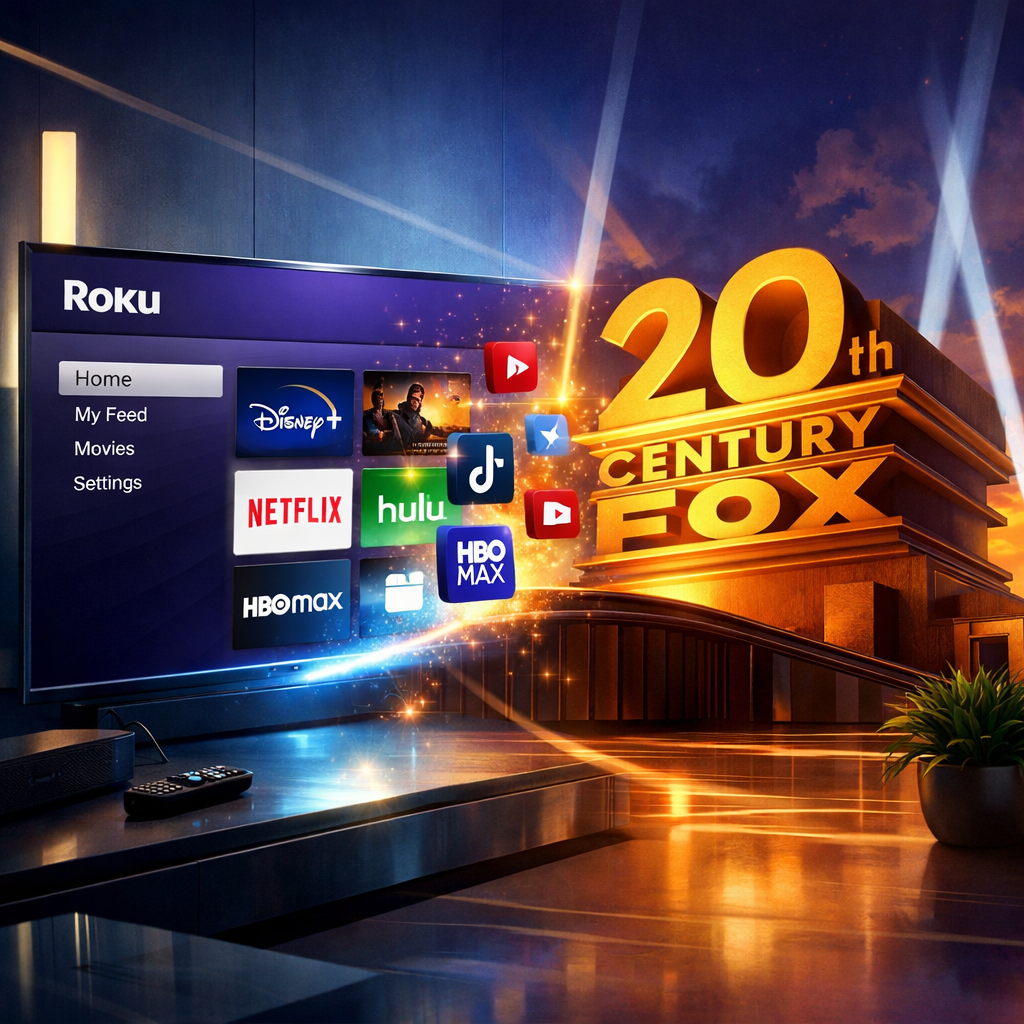
Fox has officially wrapped up its $22 billion acquisition of Roku, marking a defining moment in media and streaming. With this move, Fox takes full ownership of the company founded in 2002, gaining access to a reach that spans over 100 million U.S. households, as well as major new levers in connected TV advertising and content distribution.
Initially announced in June, the deal was expected to close in the first half of 2027. It instead came together ahead of schedule, wrapping up formally as of November 6, 2026. The Department of Justice had asked for additional data as part of its antitrust review, but Fox and Roku were able to provide what was required, and regulatory clearance came through in time for the early close.
Under Fox’s ownership, Roku will continue to operate with the same vision it was founded on—offering people a better way to watch TV—though now with broader resources. Roku’s founder emphasized that innovation and product development will persist, now backed by Fox’s deeper pockets. From Fox’s perspective, the acquisition offers a huge leap in streaming strategy: Roku’s footprint boosts Fox’s advertising targeting in the growing connected TV market while reducing dependence on legacy television distribution channels.
What This Means for the Industry
Fox now gains what it describes as the third-largest audience among U.S. television companies. For Roku, the deal heralds a shift in scale; previously peer to ecosystem giants, it now sits as a platform backed directly by a major media owner. Roku’s hardware and media platform will be integrated into Fox’s content strategy, giving Fox both the pipe (distribution via Roku’s streaming devices and OS) and the content to monetize across ad-supported streaming.
Connected TV (CTV) advertising has been one of the fastest-growing verticals in ad tech. By owning both Roku and a major content network, Fox seeks to control more of the value chain—from hardware to the user experience to the ad inventory. This is significant in a market where traditional pay-TV subscriptions continue to decline and streaming viewership becomes increasingly fragmented by device.
Challenges Ahead
Despite the win, Fox now inherits challenges that come with running a streaming platform. Keeping up product innovation on the streaming OS side, ensuring ad targeting works in a privacy-focused world, and integrating Roku’s culture and engineering with Fox’s media operation will all matter. The cost and complexity of doing this while competing with tech giants like Amazon, Apple, Google, and Netflix are nontrivial.
What’s more, how audiences and advertisers respond to the combined entity will likely decide whether the deal pays off. In such consolidations, managing perceived bias, balancing content diversity, and maintaining platform neutrality will be something to watch.
What to Watch: Fox’s ability to deliver a seamless transition at Roku without alienating existing users. How its advertising business evolves using Roku’s data and reach. And whether this sets off more consolidation in the connected-TV space, as media companies chase scale and direct-to-consumer distribution.
This deal reflects where media is heading: platform owners increasingly control both distribution and content. For consumers, that could mean more pressure to choose devices or platforms that carry the content they want—and more of the backend logic shaping what shows are recommended or promoted being driven by who owns the pipes as much as by who makes the shows.