Just two weeks after the iPhone Duo hit stores, Apple has begun reaching out to customers with a survey to collect detailed feedback on several of the phone’s most discussed design choices.
What Apple Is Asking Users
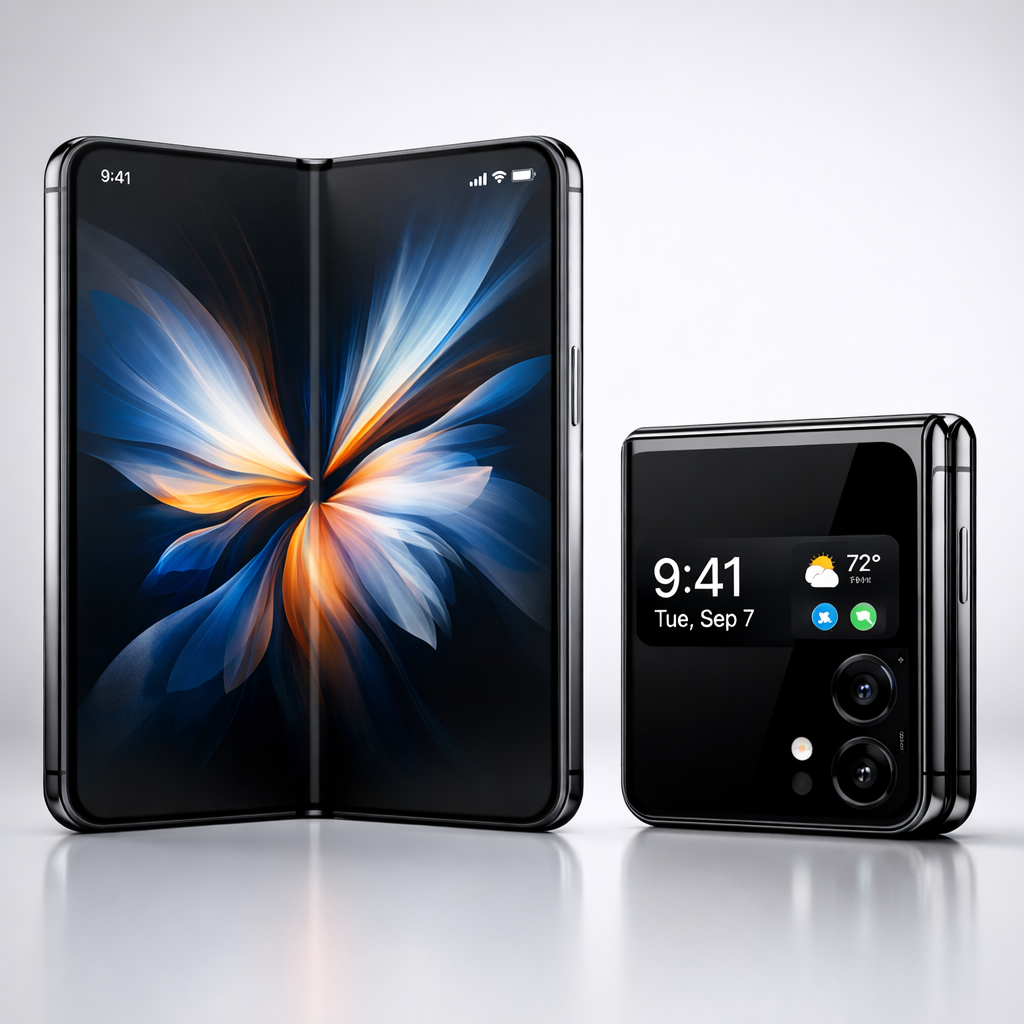
The survey poses questions about why users purchased the Duo now—choices range from wanting to try Apple’s first foldable, to making a spontaneous buy, to expecting handset prices to keep rising. Buyers are also asked about display size preferences when the Duo is folded shut, how obvious the crease in the fold is, whether the under-display camera distracts from the screen, and how satisfied people are with the camera’s image quality. The final survey item allows owners to suggest what they’d change or add to the Duo.
Some of these design elements are familiar flashpoints: the Duo’s outer display measures 5.4 inches—about the size of the former iPhone mini line—and the under-display camera offers a 4-megapixel resolution, which has been one of the most recurring criticisms in early reviews. However, the survey omits some of the more vocal concerns customers have shared so far: there are no questions about Touch ID, how well apps—especially ones not optimized for the foldable screen—perform, or the display cracks reported by several users, including around the hinge area.
Why Apple Might Be Checking In Now
Gathering customer feedback shortly after launch isn’t unusual for Apple. It provides a chance to assess how well the product is meeting expectations—and where compromises may be seen as deal-breakers. The display crease, for example, is an inherent physical feature in most foldables, but perceptions vary widely. Meanwhile, the under-screen camera is a novel approach that trades off clarity for seamless display real estate.
Many buyers seem curious or cautious: the outer display’s compact size could appeal to those who dislike large phones, but it may also frustrate long-time fans of standard screen dimensions. The 4MP selfie camera resolution may be one of those compromises users are less willing to accept, especially given that camera quality tends to be a key battleground among premium phones. Not including questions about hinge durability or cracks could indicate Apple is aware of these issues but may be reserving those for separate follow-ups or internal investigations.
Feedback at this stage may inform future updates—whether through software tweaks, component adjustments, or design revisions. What’s clear is Apple is keen to understand which of the Duo’s trade-offs are acceptable, and which may need to be addressed soon.
Ultimately, this survey offers insight into how Apple balances innovation with customer expectations. The choices the company makes next will shape not just the current Duo experience, but the trajectory of its folding-device strategy going forward.