Wonder, a five-year-old food-delivery startup, has quietly filed for a confidential IPO, positioning itself to move beyond the delivery-app routine and become a broader food tech player. Founded in 2018 by entrepreneur Marc Lore—known for leading Jet.com and Diapers.com—the company has been steadily expanding its scope, aiming for more control over how food is prepared, ordered, and consumed. The IPO filing reflects those ambitions.
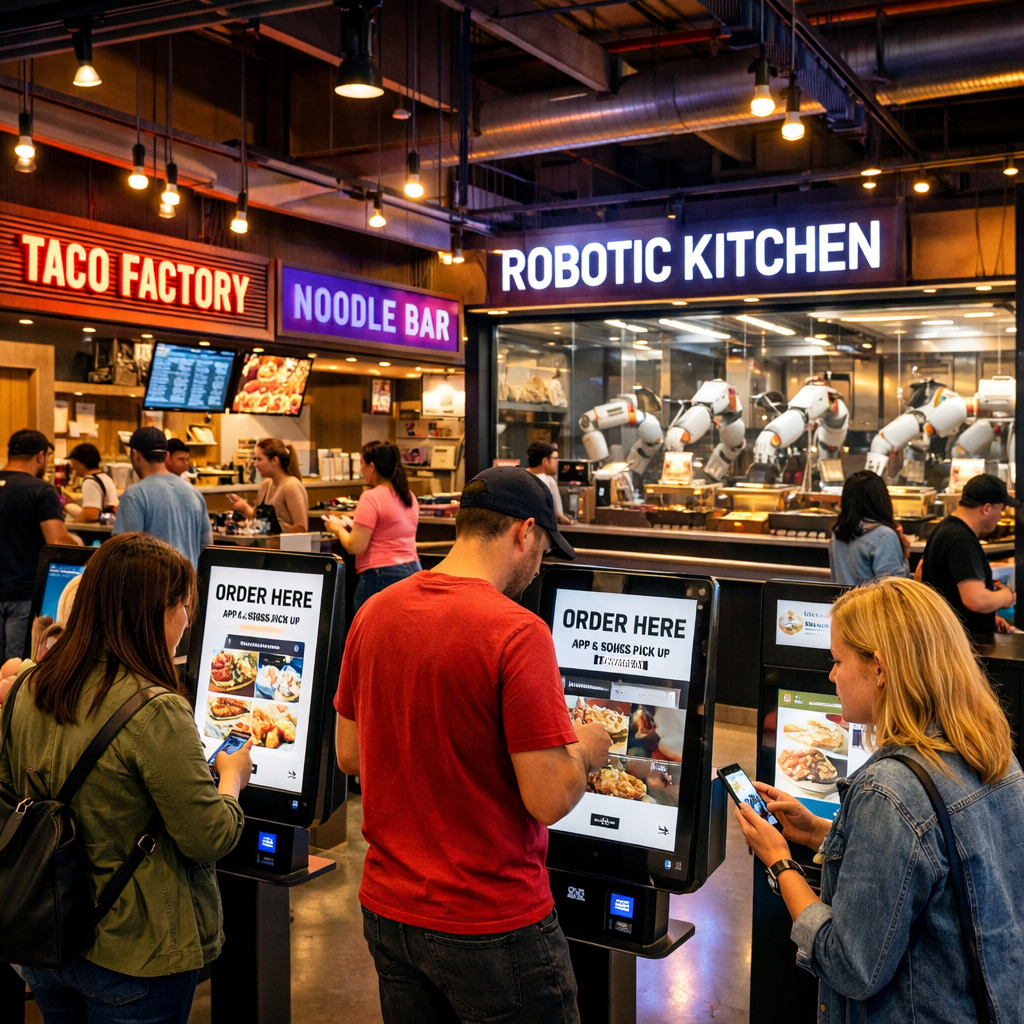
Unlike many startups that started simply as delivery services, Wonder operates food hall–style locations where customers can order from multiple restaurant brands through a single platform. This model includes dine-in, pickup, and delivery. The firm handles meal prep in its own kitchens rather than leaving everything to partner restaurants, giving Wonder more control over consistency and speed.
Recent Funding and Growth Moves
Earlier this summer, Wonder completed a major funding round, raising more than $650 million in capital that placed its valuation at about $9 billion. Backers include big-name investors such as Accel, GV, AllianceBernstein, and ARK Invest. Building on that capital base, the company has made several acquisitions in recent months. It has acquired meal-kit service Blue Apron, delivery platform Grubhub, media producer Tastemade, and kitchen robotics firm Spyce. The Spyce deal in particular gives Wonder tools to automate parts of its food preparation process.
On top of M&A, Wonder is betting big on geographic expansion. It has laid out plans to open over 100 locations in Texas by the end of 2027. This regional push is supported by a $425 million partnership with DoorDash focused on expanding its campus dining business, which already serves 450 colleges, universities, and similar venues.
Challenges Ahead
Despite its rapid scaling and diversified lineup of services and acquisitions, Wonder will face steep competition. The food delivery sector is crowded, with giants like DoorDash and Uber Eats already well-entrenched. For Wonder, going public not only means the pressure to meet earnings guidance, but also to prove its model—covering dine-in, delivery, meal kits, robotics, brand development—can generate sustainable profits.
The IPO filing doesn’t yet include details such as how many shares will be offered or at what price. Still, this step reflects both investor eagerness and Wonder’s readiness to answer larger questions about its long-term viability.
Analytical angle: Wonder’s IPO move signals a tectonic shift in how food delivery startups are trying to own more of the value chain—from branding and content to kitchen automation. If successful, Wonder could represent the next evolution in “delivery as a service,” moving toward a vertically integrated food empire. The real test will be whether all these disparate pieces—acquisitions, robotics, campus deals—synergize or become costly distractions. Investors will be watching Wonder’s ability to scale Texas ops, manage labor costs, and prove that operating food halls and robotics isn’t just vision, but real profit.