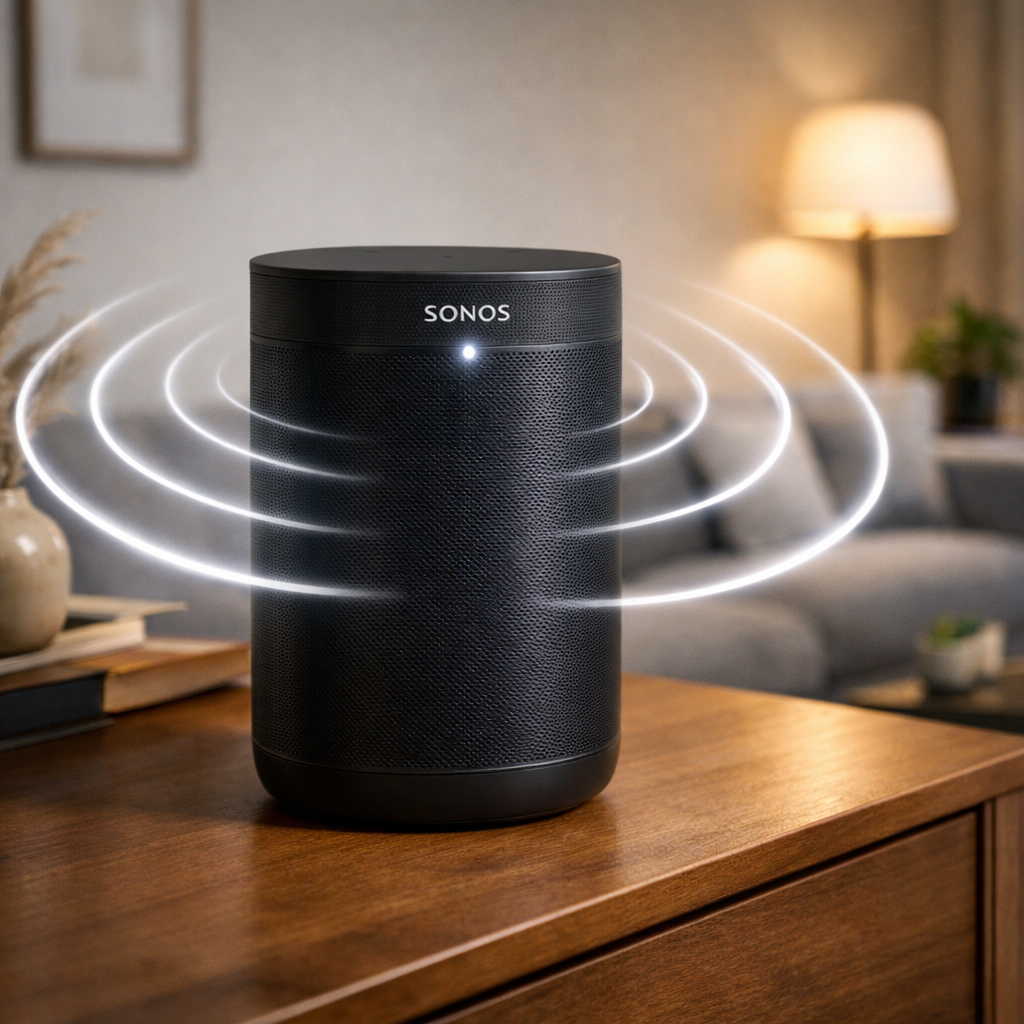
Sonos is launching its new Sonos 27voice update with a tightly controlled beta, aiming to prevent the chaos that followed its app overhaul two years ago. The new version introduces AI-powered natural-language voice control, letting users interact with their Sonos devices using conversational requests like “Hey Sonos.” Key features include music commands, grouping speakers, and general knowledge queries.
Back in 2024, Sonos caused widespread frustration when it released a full redesign of its app to support its first headphones. The update removed beloved features, broke compatibility with older Sonos speakers, and disrupted accessibility tools. The backlash was so severe that the CEO was eventually replaced. Sonos’ new rollout is clearly a response to that debacle, with more incremental testing and explicit mechanisms to collect feedback.
What Makes Sonos 27voice Different
The update will phase in gradually. Instead of a broad public launch, the company is first inviting a limited group of US users to join a beta. Access isn’t guaranteed. Once a user is approved, the “Hey Sonos” wake word activates listening mode, indicated by a brighter status light and lowered volume if audio is already playing. A tone confirms understanding. Users can issue commands like “Group all my speakers and find a playlist for winding down,” or data-type questions like “How many teaspoons are in a cup?”
How to Try Out the New System
Access is currently limited to customers in the United States, and Sonos is capping spots for early testers. To apply, open the Sonos app on an iPhone, go to Settings, and look for a “Join Early Access for Sonos 27voice” tile. Follow on-screen instructions to request participation. Once on the list, users will see a tile saying “You’re on the list,” which will later change to “Set up Sonos 27voice” if the access is granted, with setup instructions starting from the coming Friday.
The company emphasizes the importance of feedback from this beta group before anything wider is released, suggesting a full launch is expected next year. This step reflects a clear strategy shift: from sweeping redesigns to cautious iteration, rooted in real user experience.
Analysis: What this means is Sonos is trying to learn from past missteps. By limiting early access and focusing on usability, it hopes to avoid the backlash that its 2024 app redraw faced. For owners of older speakers who felt neglected before, this could signal a more thoughtful future of updates. What to watch: how many users this beta-test can satisfy, how well voice recognition holds up in real homes, and whether the planned launch next year succeeds without dropping features or disrupting older hardware.