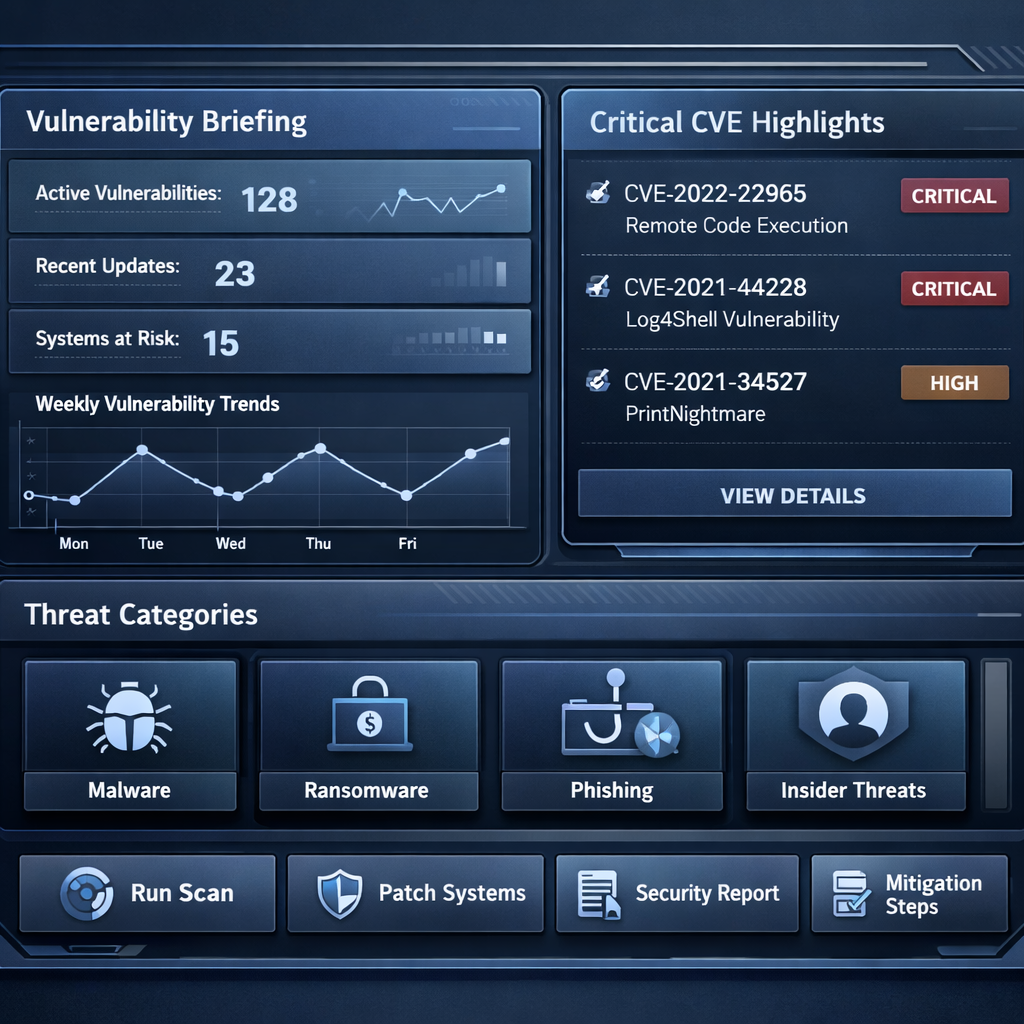
Cloudflare has introduced a new service named Zero Wire, a public vulnerability intelligence feed that simplifies how security teams follow critical CVEs, keep up with active exploits, and locate available security fixes. Officially announced on November 3, 2026, Zero Wire is integrated within the security section of Cloudflare Radar. The platform delivers digestible briefings combining technical evidence, guidance from vendors, and clear action items. It’s available to anyone — you don’t need to be a Cloudflare customer to use it.
A common struggle for defenders has been the fragmented nature of vulnerability advisory information when serious threats emerge. Zero Wire addresses this by linking research on vulnerabilities with responses organizations can actually deploy. Its coverage isn’t universal: it focuses on internet-facing software such as web apps, runtimes, libraries, and services — particularly where real-world exploitation is possible.
How Zero Wire Works
Each briefing illuminates the severity of the issue, where and how it shows up in deployments, and whether there’s already evidence of exploitation. Key parts include impact summaries, affected environment checklists, and detailed remediation guidance — even if Cloudflare itself hasn’t rolled out a specific protection. Entries are grouped into two categories: “Needs attention,” for vulnerabilities that require immediate assessment (e.g. active threats or evolving guidance), and “Reference,” for issues whose mitigation advice is stable but may not yet be fully addressed everywhere.
Searchability and tracking are major features. Users can look up CVEs or issue names, follow tags tied to technologies, and see when advisory or exploitation details recently changed. The platform may group related CVEs when clarity benefits the response process.
From Intelligence to Action
Zero Wire briefings go beyond alerting: they guide teams to identify which deployments are vulnerable, check software versions, communicate with hosting providers if needed, and apply vendor patches or mitigations. For additional support, there’s a ready-to-use AI agent prompt that helps organizations conduct a read-only assessment of exposure, safeguards, and outstanding risks. This prompt, however, doesn’t scan or alter any systems automatically.
Cloudflare emphasizes that visibility into suspicious network traffic is just one piece of the data. Charts showing web application firewall (WAF) hits, for example, may show attempts, not confirmed breaches. Absence of evidence in Cloudflare’s network doesn’t prove safety elsewhere. Moreover, filtering or blocking malicious requests via WAF is viewed strictly as a stopgap—not a substitute for applying software-level fixes. Action must still follow vendor remediation instructions.
Cloudflare also links zero wire content to external bodies like CISA’s Known Exploited Vulnerabilities Catalog, helping threat teams align priorities. Historical issues, like PHP runtime vulnerabilities, are used as examples to illustrate why identifying component ownership (runtime vs. plugin, etc.) is crucial in assessing risk and applying correct fixes.
The “Needs attention” section hosts briefings with rising urgency, while “Reference” entries are retained once guidance firms up. Even when marked as “Reference,” organizations are encouraged to check whether their systems have already been patched or mitigated — especially by reviewing the last-reviewed date.
Zero Wire avoids offering specific indicators of compromise (IoCs) like SHA hashes, attacker IPs, or domains at launch. Where it does share related telemetry—for example, HTTP request patterns matching WAF rules—it’s to show observed activity, not proof of compromise.
What this means: Zero Wire could shift how enterprises prioritize vulnerability management. By combining exploitation data and vendor fixes with risk assessments in one centralized feed, defenders are likely to spot high-risk CVEs faster and respond with more confidence. Keep an eye on how broad its coverage becomes, how timely the briefings are, and whether organizations using it reduce mean time to patch—or whether the distinction between advisory and reference becomes murky over time.