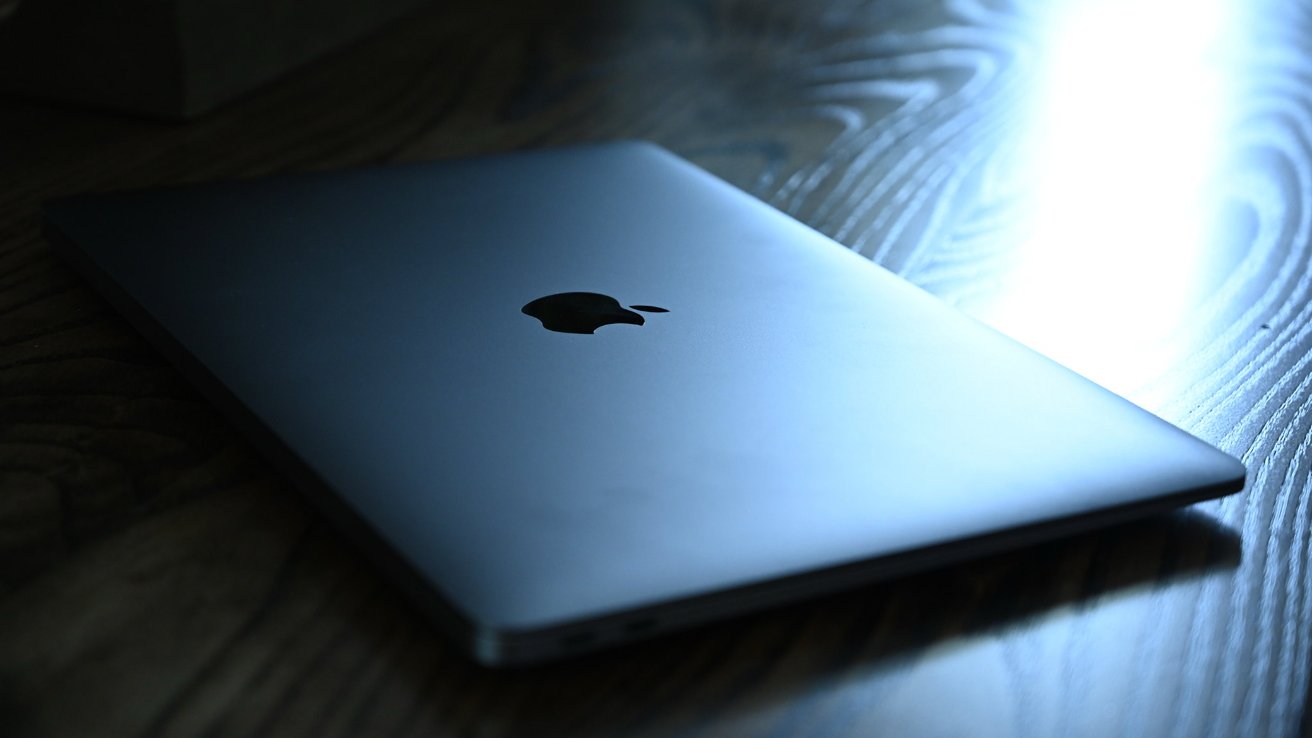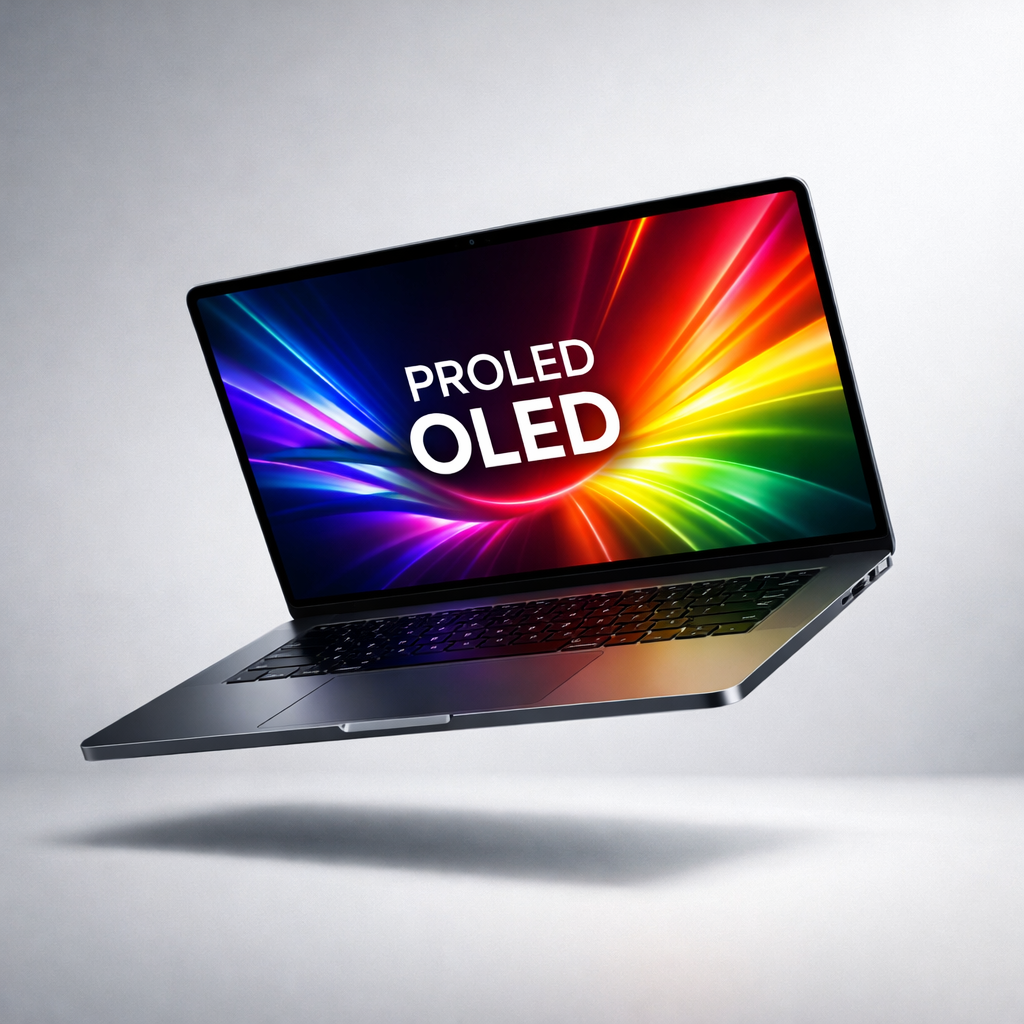
Apple’s freshly unveiled MacBook Pro with PROLED XDR brings a standout screen and lighter build, but the latest refresh doesn’t feel compelling enough for many current owners to rush into buying. After five years of minimal change since the M1 Pro/M1 Max line, this version offers solid improvements—but not enough to upset the status quo.
Design and Display Enhancements
The new MacBook Pro models shed considerable weight: the 14-inch variant is around 0.5 pounds lighter, and the 16-inch version drops about 0.7 pounds. They’re also a bit thinner than their predecessors. These upgrades make a difference for portability—especially when commuting or traveling.
However, aside from the upgraded OLED display (PROLED XDR), most design elements carry over. The keyboard, trackpad, speakers, port layout, and general chassis shape remain almost identical to the older models. Previous major MacBook Pro redesigns introduced more dramatic changes; this generation feels more like a display-focused refresh wrapped in a familiar frame.
Why It Might Not Be Worth It Yet
Cost is a big sticking point. The new models are significantly more expensive than the mini-LED versions they replace—pricing is about $400 higher—with prior hikes already pushing mini-LED options $300 above their pre-increase pricing. For users who already own M4 Pro machines, the upgraded chips aren’t compelling enough; with M7 chips expected out next year, this feels like a mid-cycle upgrade.
Touch support is another factor. While Apple has enabled touch capabilities—such as for the iOS simulator—usage cases beyond those remain limited. For now, many users don’t see touch as essential.
There’s also skepticism about how much is truly gained from the OLED display if current machines already offer bright, crisp visuals—say, a 1000 nit display on an M4 Pro. Without exceptional improvements or a big shift in workflow, the jump may not feel justified.
Who Should Consider Upgrading Now
If you’re using one of the older MacBooks without OLED or have been eager for a more portable 16-inch machine, the lighter weight and the new PROLED XDR screen could be compelling reasons to upgrade now. But for those already on M4 Pro models or expecting the latest chip innovations, waiting until the M7 generation makes more sense.
The new MacBook Pro with PROLED XDR has its perks—most notably in display quality and weight—but many of its enhancements feel incremental rather than transformative. For now, patience looks like a better investment. What to look for next: real design rethinks, more powerful chips, and more meaningful use cases for touch.