After more than two weeks of pre-orders, the HomePod mini 2 is officially arriving in stores and being delivered to customers—and it brings a number of upgrades that signal Apple’s push toward smarter, more connected home audio. Here’s what’s actually different with the new model, and what’s staying the same.
Release Timeline & Pricing
The HomePod mini 2 is set to begin shipping and be available in Apple Stores on October 30, 2026. It’s priced at $149 in the U.S.That’s a steep jump from the original model’s launch price—but consistent with the $129 price the older version sold for after its mid-2026 increase.
Hardware & Connectivity Upgrades
Inside, the mini 2 is powered by Apple’s S10 chip (originally introduced with the Apple Watch Series 10), replacing the S5 chip used in the first version. Apple says this enables “advanced computational audio,” though it hasn’t confirmed whether actual sound fidelity has improved. The speaker also gains support for Wi-Fi 6E, a major jump from Wi-Fi 4 in the original model, which should help with faster and more stable wireless performance.
Features: What’s New, What’s Delayed
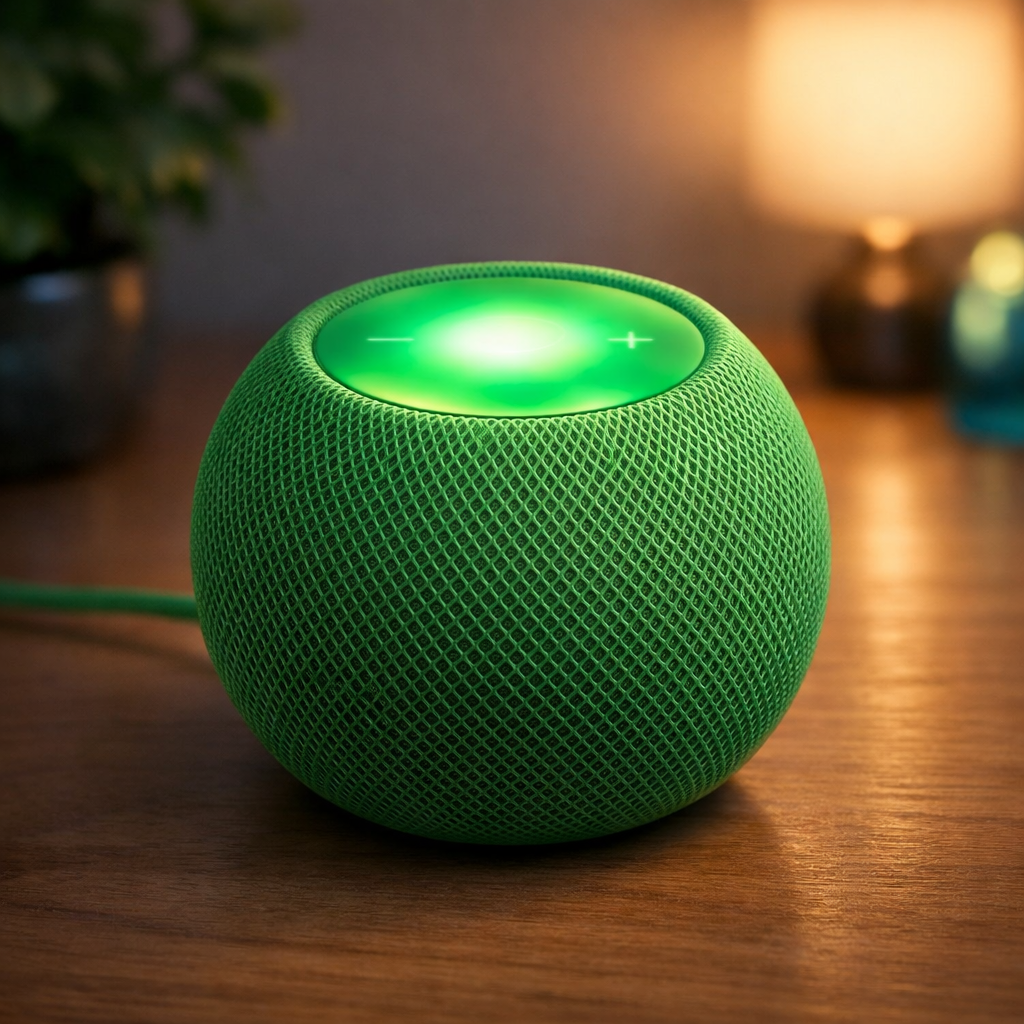
One headline addition is “Sound Glow”—a light effect across the top of the HomePod mini 2 that pulses in sync with music. Apple is also extending this glowing top effect via a software update to both the original HomePod mini and the full-size HomePod 2, so the visual upgrade isn’t exclusive to the new unit.
Another important change: the number of Siri microphones has dropped from four to three. Meanwhile, the much-talked-about Siri AI feature (powered by Apple Intelligence) is part of the roadmap—but it won’t be available at launch. Apple says it will roll out in a future software update.
Smart Home & Audio System Integrations
The HomePod mini 2 integrates more deeply with the updated Apple TV 4K, allowing users to connect up to four HomePod speakers—mini 2s or full-size HomePod 2 units—in front and rear setups for a surround sound experience. If users mix sizes, the front pair must match each other and the rear pair must match, but it does virtualize a center-channel effect. Also new is support for setting the mini 2 (or full HomePod 2) as the default speaker output on Macs that have Wi-Fi 6E or later—which requires updating to HomePod software version 27.2 via Apple’s Home app.
Design, Colors & Availability
The design stays broadly similar to the original, but Apple is introducing fresh color options: green and pink join blue, midnight, and white. The speaker’s shape and general appearance look familiar, apart from the glowing top feature.
Trade-Offs & What Remains
Though there are big upgrades in chip and connectivity, sound improvements haven’t been clearly quantified. Apple hasn’t confirmed specific enhancements to speaker drivers, acoustic tuning, or overall audio performance. Also, the delay of Siri AI to a future update means early adopters won’t get the full feature set out of the box.
Overall, the HomePod mini 2 represents a meaningful evolutionary step rather than a radical redesign. For users who want better smart home integration, new visuals, and upgraded chip architecture, it delivers. For audiophiles expecting dramatic sound changes or instant Siri AI, some patience will be rewarded down the road.