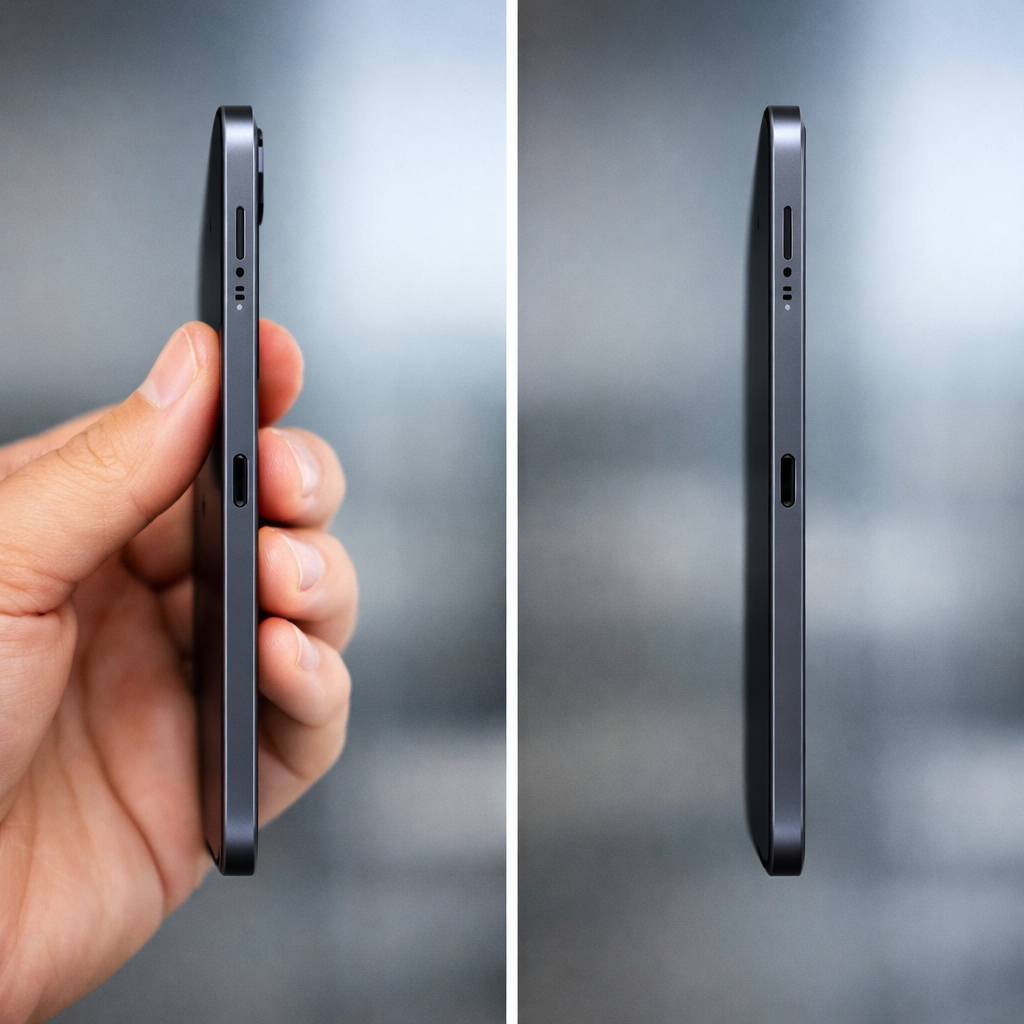
Apple has quietly modified promotional images of the iPad mini in South Korea after concerns arose that one of the global images might display an offensive hand gesture. The global version shows a hand holding the device by grasping its edge with thumb and forefinger, but in the South Korean version, the hand has been removed.
The imagery in question features a palm-up hand with thumb and forefinger pinching the thin side of the device. While that pose is used in many international regions to showcase the iPad mini’s slim profile, in South Korea it has provoked concern because some interpret it as mocking male genital size. The gesture has become controversial online, with past media in the country interpreting it as a symbol of misandry.
Cultural Pushback and Precedent
This isn’t the first time Apple has altered imagery for South Korea to avoid controversy. A similar edit was made for iPhone Air visuals, where fingers were omitted in the Korean version, even though the original image persists in other markets. Apple appears to be proactively making these changes rather than waiting for backlash, aiming to balance consistent global branding with sensitivity to cultural norms.
The gesture of concern has previously sparked debate in 2023 when a promotional video for a popular game featured a similar hand position. That instance drew widespread criticism, accusations of hidden messaging, and ultimately led to public apologies and removal of the material. It seems this episode has contributed to increased alertness around visual design choices in Korean promotions.
Why Context Matters for Global Brands
Visual content that seems innocuous in many regions can carry unintended meanings elsewhere. For Apple, whose marketing spans dozens of countries with distinct cultural sensibilities, small details such as hand poses or gestures can trigger outsized reactions. The company’s decision to use a modified image in South Korea underscores how sensitive these issues have become, especially in the age of social media.
Ultimately, the original intention behind the hand gesture was seemingly benign—just a design device to highlight the iPad mini’s thinness. But in certain cultural contexts, it may be read very differently. Adjusting the South Korean marketing materials allows Apple to maintain its product messaging while avoiding unnecessary offense.
This move shows that even global iconography must be carefully tailored. What is acceptable or even clever in one place may misfire in another. For international brands, this raises questions about how far imagery should be adapted before diluting brand identity. Observers will be watching to see how Apple navigates cultural boundaries in future campaigns.