Apple is unveiling its long-awaited touchscreen MacBook Pro lineup today, and it brings no shortage of firsts and refinements. Set to launch at the Los Angeles “Pro and Tell” event, these 14-inch and 16-inch models aren’t just more expensive—they’re a leap forward in design, display, and usability. Below’s everything to expect.
What’s New
OLED display.The new MacBook Pro models replace mini-LED panels with OLED, delivering true blacks, richer colors, and improved HDR performance. Samsung Display is said to be the exclusive supplier, with its 8.6-generation OLED line already prepped for mass production. Users should see noticeable contrast enhancements and energy efficiency gains.
Touchscreen input.For the first time, Apple is enabling direct touch input on a MacBook Pro screen—a marked shift from its long-held aversion to touchscreen Mac hardware. Touch will complement, not replace, the tried-and-true trackpad and keyboard, with macOS Golden Gate updated to support gestures like pull-to-refresh across apps.
Hinge reinforcement.To address concerns over display wobble during touch interaction, Apple has reinforced the hinge and display assembly. This should help stabilize the screen when tapped, improving overall usability.
Lighter, trimmed design.Alongside the display upgrade, the updated MacBook Pro is thinner and lighter. While it won’t be a dramatic redesign, users can anticipate slimmer bezels, a reworked cooling system, and a lighter frame.
Dynamic Island replaces the notch.Apple is retiring the traditional notch on these models. In its place will be a Dynamic Island much like on recent iPhones: interactive, context-sensitive, and designed to shrink the intrusion into the menu bar.
Additional Details: Chips, Name & Price
These models will continue using the current M5 Pro and M5 Max chips. There were rumors about “MacBook Ultra” branding, but the “Pro and Tell” event suggests Apple is keeping the Pro name. The new models are expected to sit above the existing mini-LED MacBook Pros, which will remain available for those not upgrading to OLED or touch.
Pricing is climbing. The 14-inch OLED touch MacBook Pro with M5 Pro is expected to start around $2,899—roughly $400 more than the previous SDL-LED model. The 16-inch version might begin at $3,399 or more. Pre-orders are anticipated to open today at 10:10 a.m. Pacific, with availability possibly around November 6.
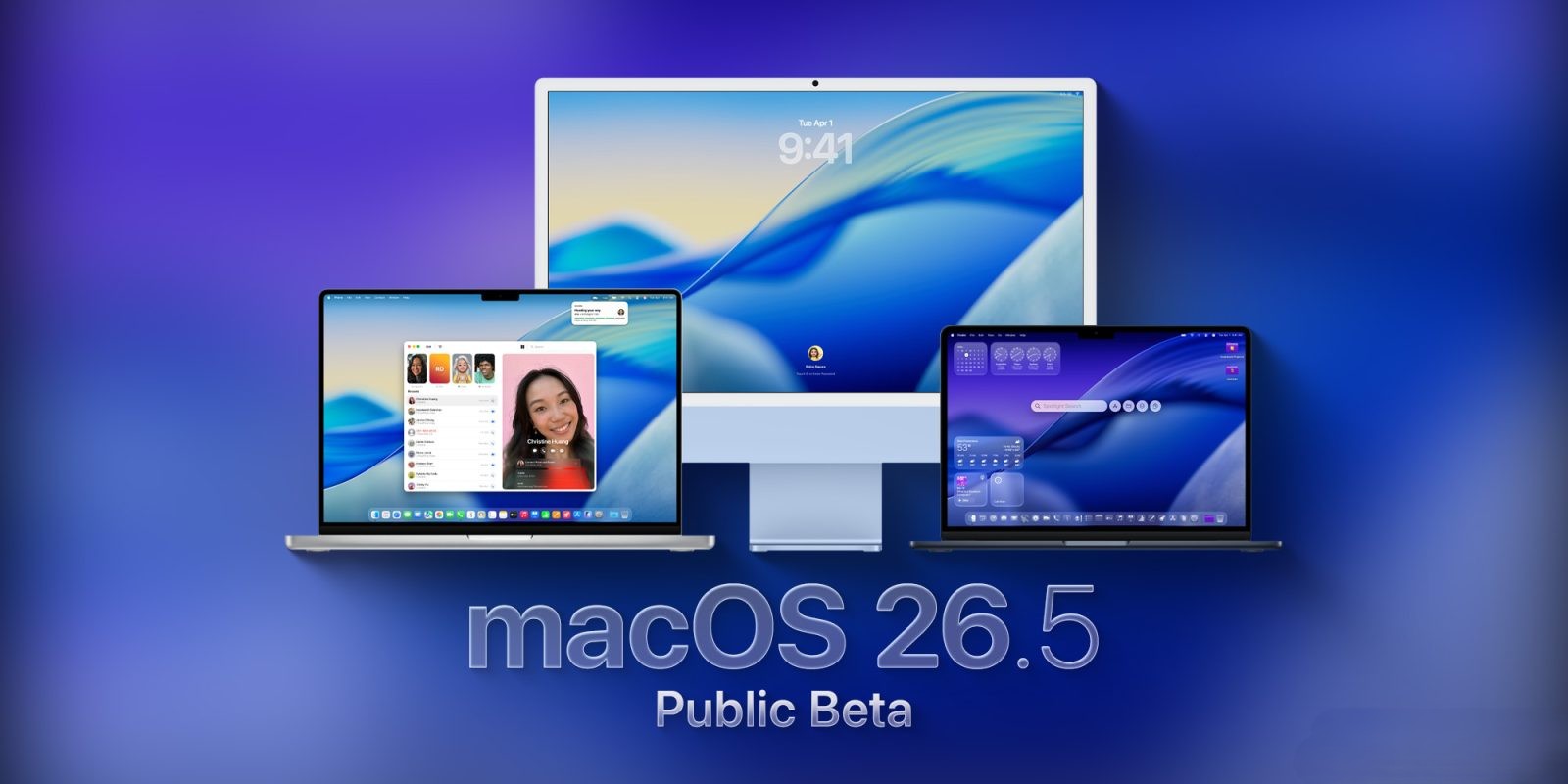
macOS Golden Gate itself is being tuned for touch. In examples shown, controls in the Menu Bar and Dock adapt visually depending on whether you interact via touch or trackpad, and elements under the finger may expand or change layout to improve usability when touched directly.
Why It Matters
This launch represents one of Apple’s most meaningful hardware pivots in years. By embracing OLED and touch, Apple’s signaling a shift toward more versatile interactions on its pro laptops. Reinforcing the hinge and keeping the Pro name suggest the company wants to retain legacy fans, while offering enough innovation to appeal to new buyers. With price hikes, the question is whether the value proposition aligns—especially for creatives or power users who demand precision.
What to watch for
When reviews begin, keep an eye on how the OLED panels hold up for brightness in daylight, whether touch latency feels natural, how stable the hinge is under frequent touching, and whether macOS’s touch enhancements feel polished—or tacked on. If done well, this could finally make touch feel like a core MacBook Pro feature rather than a star in a marketing spec sheet.