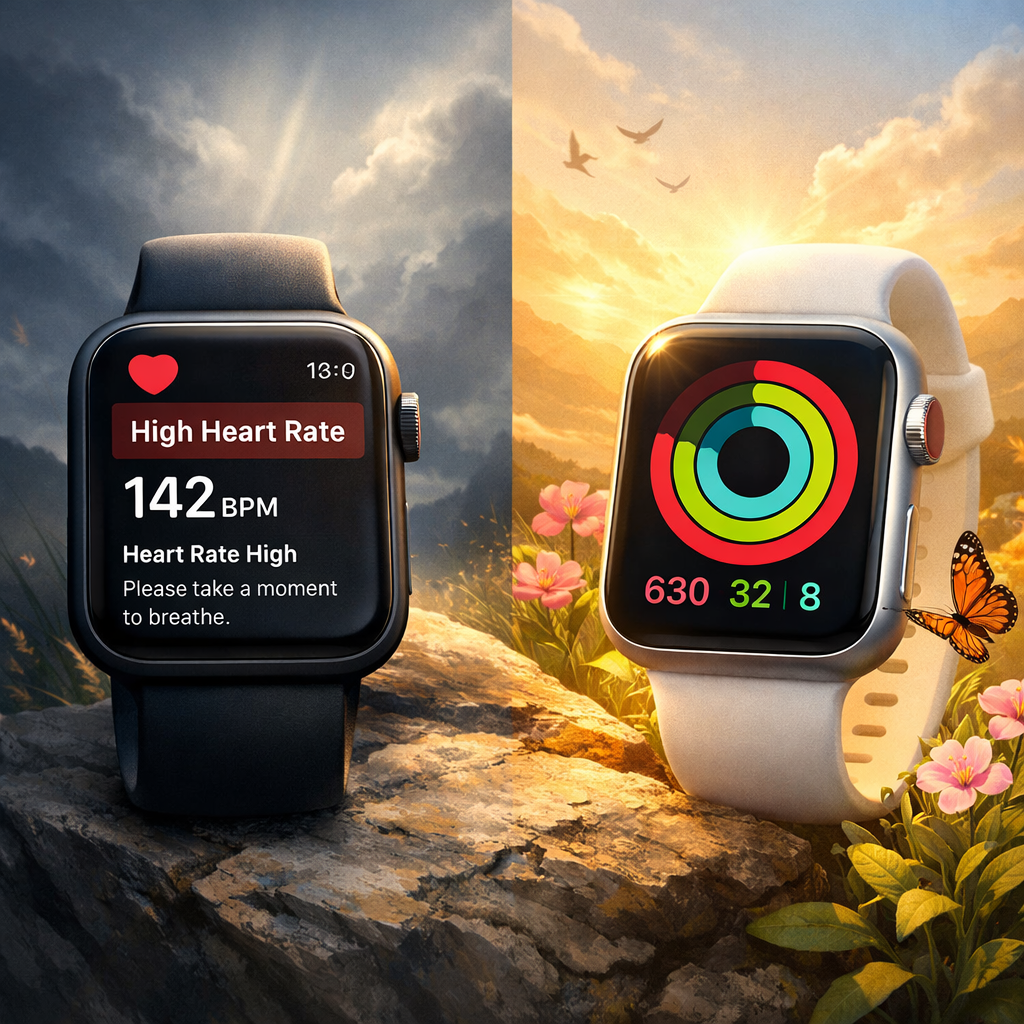
Apple has dropped two new entries in its “True Apple Watch Story” video series, spotlighting the wearable’s health and fitness impact in real lives. One story shares how the device helped one woman survive a nearly fatal infection, while another treats us to a major weight-loss transformation powered by its fitness tracking tools. These narratives reinforce Apple’s push to not just sell hardware, but build a reputation around prevention, wellness, and life-changing alerts.
The Alerts That Can Change Everything
One of the latest videos features Morgan, who credits her Apple Watch with alerting her to an unusually high heart rate. What she initially thought was mild discomfort turned out to be a kidney infection that had progressed into septic shock. Without the Watch’s warning, she believes she might not have received medical help in time.
From 340 Pounds to Daily Movement
The second video follows Josh, who began his weight-loss journey from around 340 pounds. He used the Apple Watch’s Activity Rings—which measure standing, moving, and exercising—as his guide out of stagnation. It’s not a polished transformation movie, but a story of small, consistent changes that added up: daily walks, ring closures, and setting achievable goals.
These aren’t Apple’s first lifeline moments. The series joins past videos like the alerts for atrial fibrillation, rare cancer diagnoses, and heart emergencies. What’s different now is how storytelling is being leveraged as a core strategy—not just in marketing slogans but in real-life testimonials that emphasize what the Apple Watch does beyond telling time.
Why this matters: health- and safety-focused wearables are pushing past features like step counting or music control. Alerts for irregular heart rhythms, high heart rate, safety features—and seeing them actually work—fuel user trust in a crowded market.
What to watch:
- Which health alerts become standard across all Apple Watch models—will older models get all features?
- How Apple ensures accuracy and minimizes false alarms in real-world use.
- Whether these stories lead to regulatory attention or healthcare partnerships, especially when watches trigger life-saving interventions.
These two stories underscore something deeper than health tracking: they show how tech is increasingly integral to everyday safety. The wearables story isn’t about luxury or novelty—it’s medical, it’s personal, and it’s evolving rapidly.


