Apple is expected to introduce a new iteration of its MacBook Pro lineup tomorrow, featuring major changes including touch-enabled OLED displays, slimmer bezels, and updated chips.
What the Rumors Say
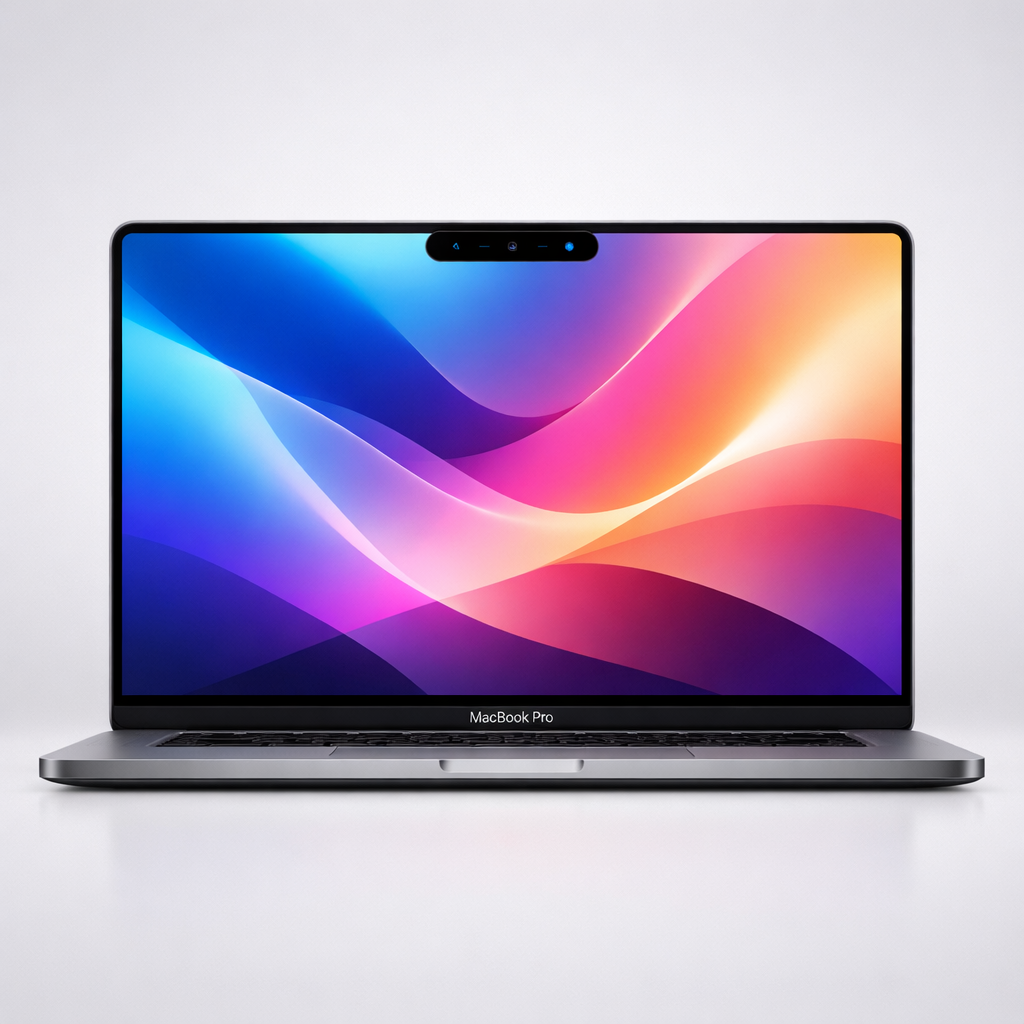
According to current reports, Apple will launch 14-inch and 16-inch MacBook Pro models that replace the traditional Retina displays with OLED panels that support touch input. These new screens are said to have slimmer bezels, offering a more immersive viewing experience. Instead of the notch introduced in earlier Pros, the upcoming models are rumored to feature a Dynamic Island along the top of the display.
Under the hood, the next MacBook Pros are expected to launch with Apple’s new M5 Pro and M5 Max chips. Reports suggest the redesign will make the laptops lighter and slightly thinner than the existing MacBook Pro models.
Timing and Branding
Apple plans a “Pro and tell” event in Los Angeles, kicking off at 10 a.m. Pacific Time tomorrow. The name suggests a presentation focused squarely on professional users while marking the reveal of these major hardware updates.
Though prior speculation hinted at a rebranding toward “MacBook Ultra” for this refreshed line, Apple appears to be retaining the traditional MacBook Pro name. The shift to a touchscreen OLED display has long been a rumored evolution for the MacBook, and this expected unveiling would bring that vision to reality under the well-known Pro branding.
Why It Matters
For years, MacBook models have resisted touchscreen support while rivals in the laptop market largely embraced it in hybrid or clamshell designs. An OLED, touch-enabled Pro lineup could transform how Mac users interact with their computers—a move toward more tactile, iPad-style input while retaining macOS workflows. Slimmer bezels and a lighter frame will also help the MacBook Pro stay competitive in portability and design innovation.
Adding Dynamic Island in place of a notch further standardizes that design element across Apple’s product range, potentially harmonizing the user experience among macOS and iOS—especially in terms of notifications and multitasking gestures.
The inclusion of M5 Pro and M5 Max chips suggests serious performance gains—these chips are expected to deliver faster processing and better efficiency, crucial for creative pros, developers, and power users who rely on sustained performance.
What to Watch
- Real touch responsiveness and how well macOS adapts to touch input.
- Battery life with the switch to OLED—often brighter displays can impact runtime.
- Pricing and how much the technology premium might push the cost up.
- Color accuracy and calibration—essential for design, video editing, and photography professionals.
This unveiling could mark one of Apple’s biggest MacBook Pro upgrades in years, even if the core brand name remains. Stay tuned as these touch-enabled OLED Pros could redefine what users expect from a professional Apple laptop.