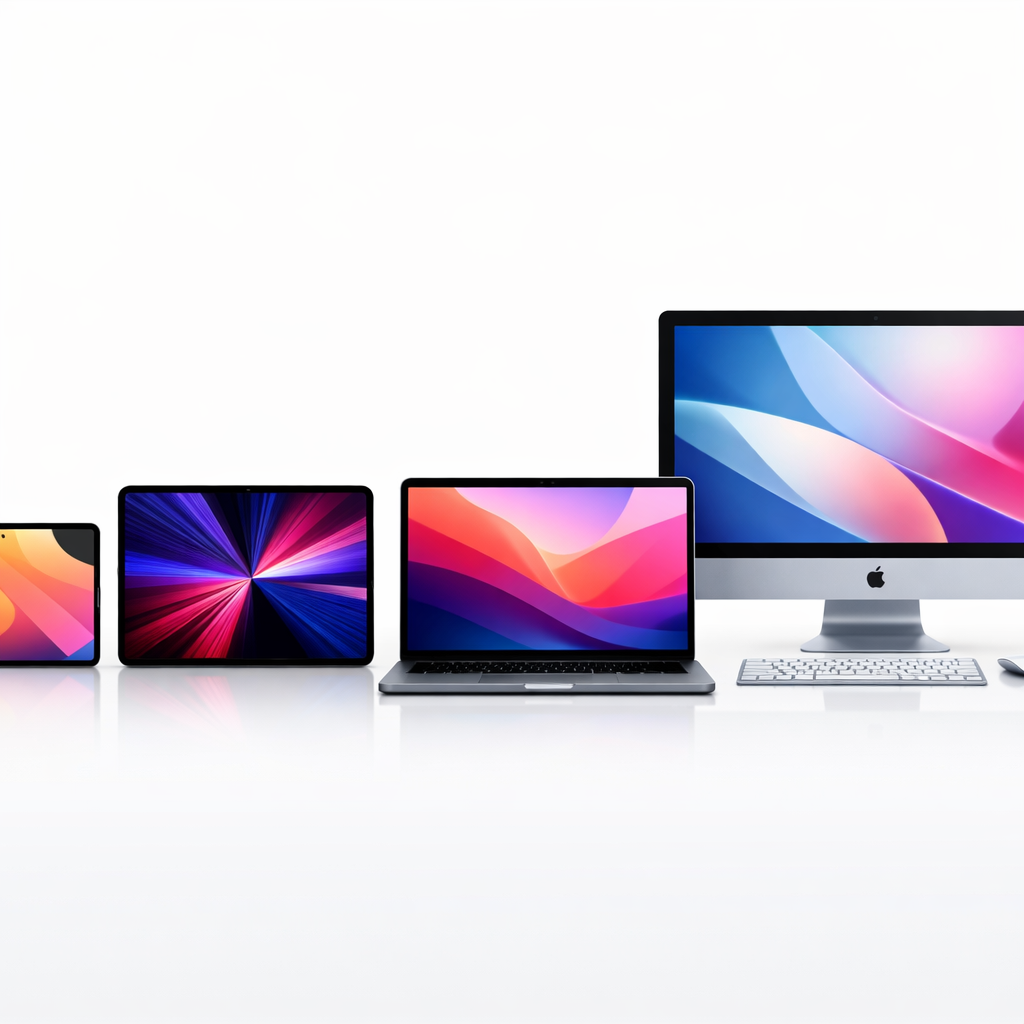
Apple has raised its trade-in ceiling values for nearly every iPad and Mac model in the U.S., effective now. These updates follow the unveiling of a new iPad mini, and while the Apple Watch and iPhone trade-in maximums remain untouched since September, the tables have shifted significantly in the Mac lineup.
Kid-Sized & Flagship Tablets Get a Boost
Across the board, iPads have gained modest increases. The standard iPad and the iPad mini saw $20 bumps. The iPad Air climbed by $15, while the pro-level iPad Pro model gained $10. The new highest trade-in values now land at $915 for iPad Pro; $525 for iPad Air; $340 for iPad mini; and $300 for the entry-level iPad. These shifts come after Apple’s announcement of the latest iPad mini.
Big Gains for Macs
Mac trade-in values jumped more sharply, especially for higher-end machines. The Mac Pro’s maximum increased from $2,195 to $2,560. The Mac Studio saw a $240 rise, while the MacBook Pro and Air increased by $120 and $90, respectively. Smaller gains were seen for the Mac mini ($25) and the iMac ($55). The iMac Pro remained static, with its cap holding steady at $340.
These changes wrap up a pattern of rising valuations this year. Notably, the MacBook Pro’s top trade-in value has more than doubled since May, from $690 to the new $1,435 max. The MacBook Air likewise climbed markedly during that same period.
It’s important to note that all listed figures represent maximum trade-in estimates. The final credit offered depends heavily on the device’s condition, its model year, and specific configuration. Apple allows that trade-in credit to be used toward a qualifying new purchase or converted into an Apple Gift Card.
Why this matters: Rising trade-in values mean older iPads and Macs are suddenly worth more, which could make upgrades more appealing. It also suggests Apple believes in strong resale demand for its hardware. Keep an eye on whether these increases hint at upcoming product refreshes—or are simply a response to changing market trends and consumer expectations.