Apple is on track to refresh two key Mac models this week, with both the 24-inch iMac and entry-level 14-inch MacBook Pro expected to adopt the M6 chip, which was first introduced in the Mac mini earlier this year. The updates are anticipated as part of a “Pro and Tell” media experience scheduled for Wednesday, October 28, in Los Angeles. Neither model is expected to receive major design changes; the improvements will focus squarely on performance and internal upgrades.
M6 Chip: From Mac mini to MacBook and iMac
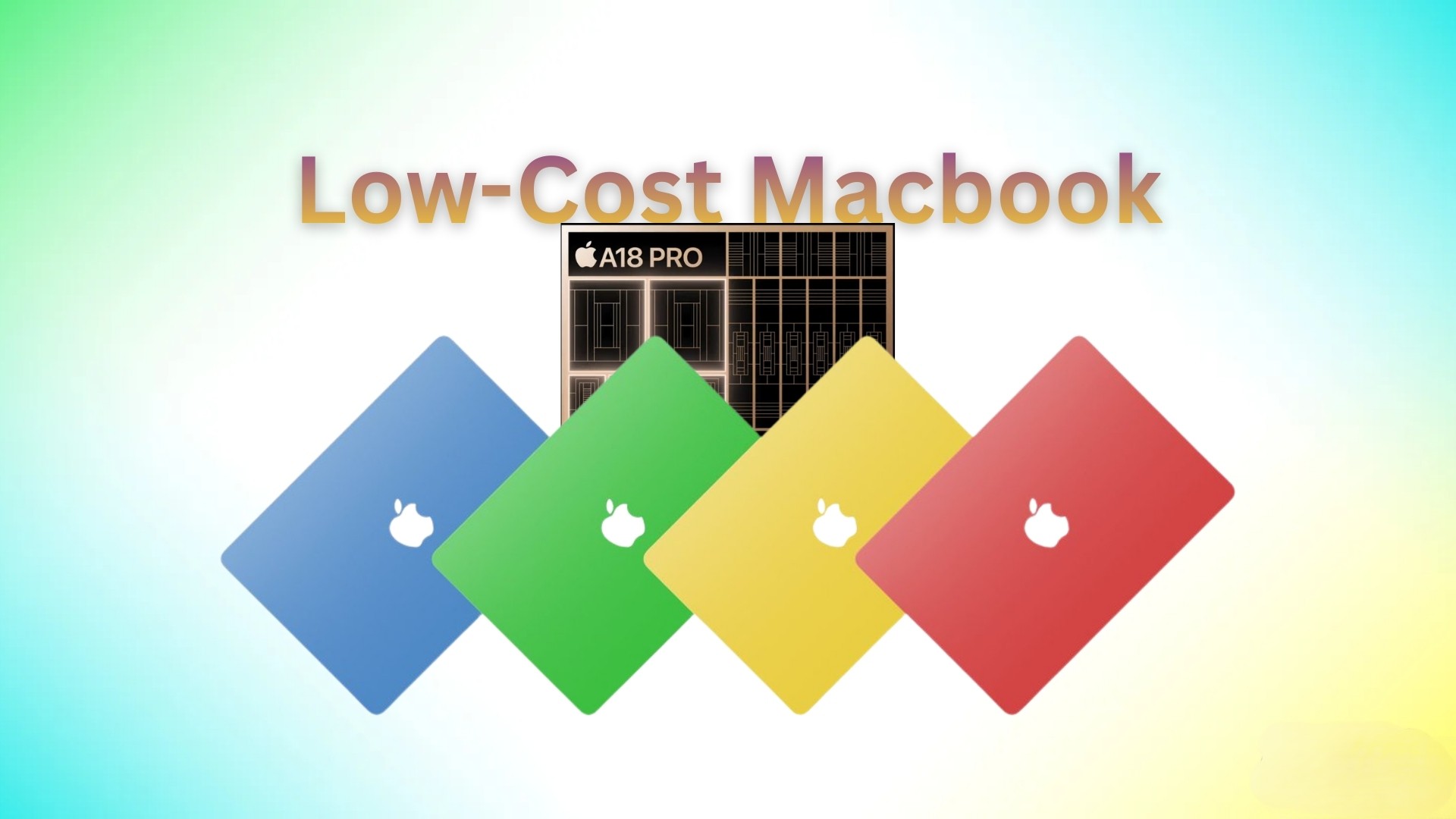
The M6 chip made its debut in the Mac mini in August 2026, bringing substantial gains: up to four times faster AI performance, double the graphics and storage speed, and roughly 40 percent improvement in CPU performance over its predecessor. The chip includes Neural Accelerators housed in the GPU cores, a dual 16-core Neural Engine, and offers memory bandwidth up to 170GB/s, with unified memory running between 16 and 32GB. These specs give a benchmark for the performance boost the upcoming iMac and 14-inch MacBook Pro are likely to deliver. (In contrast, the iMac last received a refresh in October 2024.)
What to Expect: No Design Overhaul, Just Silicon
The rumors suggest Apple isn’t planning major aesthetic changes for these updates. The 24-inch iMac will reportedly retain its current design, while the base 14-inch MacBook Pro will simply swap out its existing chip for the M6, without altering its display or chassis. Meanwhile, premium 14-inch and 16-inch MacBook Pros—expected to ship with OLED touchscreens, Dynamic Island cutouts, lighter bodies, and subtle design tweaks—would continue using the higher-end M5 Pro and M5 Max chips. Those premium models are part of what’s expected at the same event, but they won’t get the M6 silicon. Mac users can expect the new basic models to offer sharper performance, particularly in machine learning, graphics, and prolonged workloads, thanks to the M6’s efficient architecture.
Apple’s “Pro and Tell” event appears calibrated as a media experience rather than a full keynote. The announcements for the iMac and base MacBook Pro are likely to come via press release in the morning of October 28, followed by hands-on time for select media. This format mirrors other recent launches, signifying a possible shift in how Apple chooses to roll out certain products. The updated Macs may begin to ship soon after the event.
As for macOS, these hardware updates dovetail with advancements in macOS 27 “Golden Gate,” which is receiving touch-friendly features and other updates that align with the touchscreen OLED MacBook Pros being introduced alongside the basic M6-equipped models. Apple appears to be keeping touchscreen capabilities on the premium models, leaving the base 14-inch Pro untouched by those changes.
On pricing and availability, nothing official has been confirmed yet. Analysts expect the M6 base models to slot in at prices similar to the existing entry 14-inch MacBook Pro and 24-inch iMac, possibly with modest price adjustments to reflect the new chip. Premium OLED touchscreen, lighter MacBook Pros with higher-end chips will likely carry a noticeable premium.
This rumored update is part of a broader pattern. Apple is building momentum with a faster release cadence under its new leadership, pushing multiple product lines forward simultaneously. From the Mac mini upgrade in August to the impending iMac and MacBook refreshes, the M-series chip roadmap is clearly accelerating.
Looking ahead, what matters for users is whether these M6 upgrades deliver real improvements in day-to-day workflows—especially in AI, graphics, and power efficiency. If they do, Apple will strengthen its position against PC rivals in performance per watt and long-term support. Whether this broader chip strategy trickles down beyond the Pro line—to MacBook Air or lower-cost machines—will be vital to watch for.