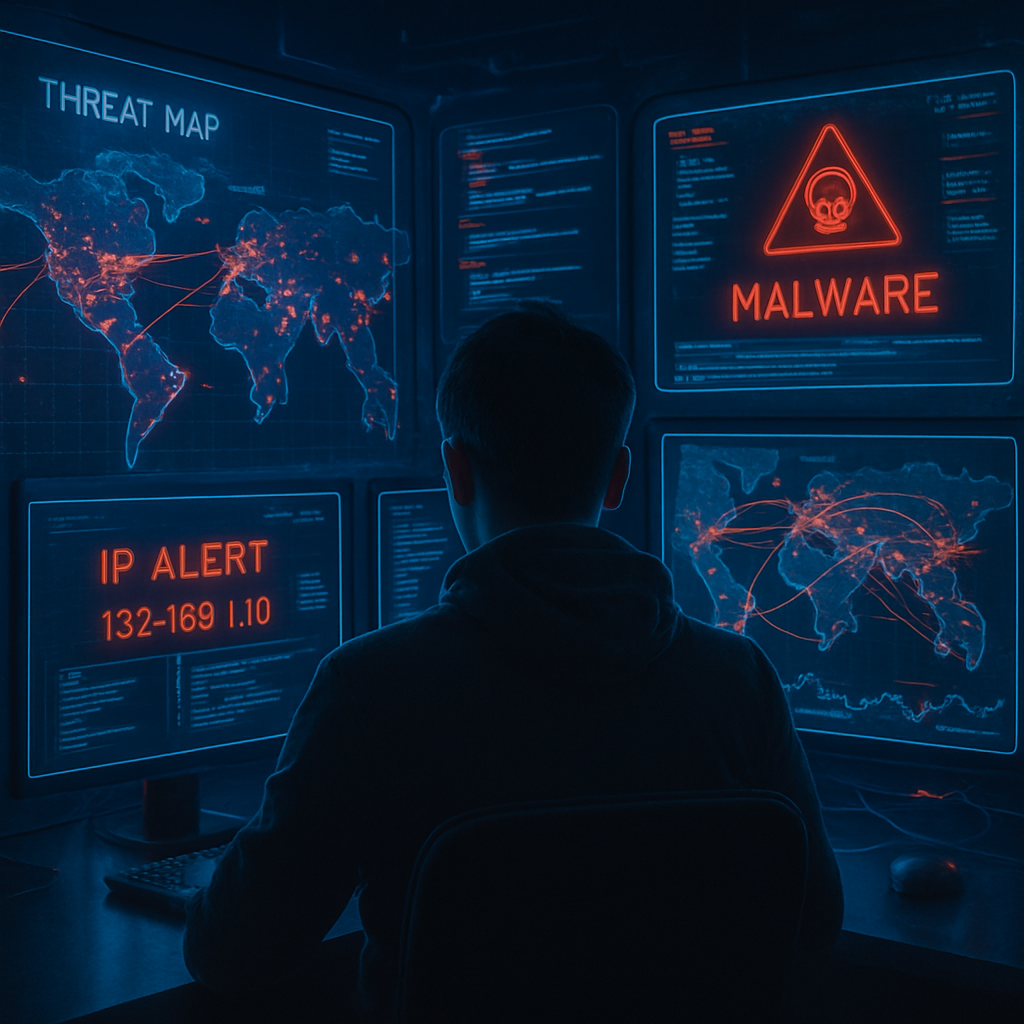
Security Operations Center (SOC) teams in the US are facing a wake-up call: internal monitoring alone no longer cuts it. With criminal threats increasingly spreading across borders and supply chains, SOC analysts need threat intelligence that shows what’s happening outside their own networks. Here’s how top-tier threat intelligence is easing SOC workflows and helping analysts stay ahead.
Why Broad Threat Visibility Matters in 2026
Internal systems—on-prem sandboxes, firewalls, SIEMs—do a solid job of catching threats within your own corporate walls. But many attacks today originate elsewhere, across continents or through third-party vendors, before they hit your perimeter. American SOCs are learning that relying solely on what you’ve seen leaves you blind to campaigns already underway outside your environment. To defend effectively, you need intel from global investigations—not just your own logs.
Three Ways High-Quality Intel Makes Analysts’ Lives Easier
1. Automating Indicator Checks
Each alert often comes with suspicious IPs, domains, or files—potential indicators of compromise (IOCs). Manually verifying each one is slow and inefficient, especially when threats repeat across regions. The best threat feeds deliver up-to-date IOCs from worldwide SOC teams, integrating seamlessly via APIs or protocols like STIX/TAXII into SIEMs. In fact, in sandbox data, nearly 30% of malicious IOCs had already appeared in threat feeds before analysts flagged them—meaning many alerts could’ve been auto-detected. This frees analysts to spend time on deeper investigations rather than routine verifications.
2. Unified Threat Lookup and Context
Flipping between dashboards or tools to assess an IOC wastes energy and introduces risk of oversight. One strong threat intelligence lookup tool collates reputation, related malware families, incident history, and global contextual data in one view. Backed by contributions from hundreds of thousands of security pros around the world, this kind of lookup surfaces connections—whether between threat actors, attack vectors like SVG smuggling, or emerging campaigns—that your environment might never have seen firsthand.
3. Keeping Detection Rules Current and Prioritized
Attack environments evolve fast. Rule logic that worked last month may miss today’s threats. Threat intelligence helps threat-hunting and detection engineering teams identify which new indicators or infrastructure shifts are actually relevant. That means SOCs can update detection rules based on what’s showing up in real investigations, covering gaps ahead of time rather than reacting after breach or incident. Real-world data supports more precise tuning of rules and hunting queries, reducing blind spots.
Seamless visibility, rich context, and adaptive detection—the three pillars through which serious threat intelligence delivers value. For US SOC analysts, the difference is noticeable: fewer false positives, faster validation, and more energy spent on danger that truly matters.
What this means going forward is clear: threat analysts can’t keep operating in silos. To defend against sophisticated attackers, SOC teams must adopt intelligence solutions that stretch beyond internal borders. The brightest approaches tie detection tooling to global insight. Expect providers that build richer feeds, streamline IOC lookup, and empower SOCs to write better rules. Your next win will likely come not just from locking down your perimeter, but from understanding what’s already been smashed elsewhere—so you can stop it earlier where it counts.