China’s smartphone market suffered a steep decline in the third quarter of 2026, according to new figures from IDC. Shipments dropped 15.4% year over year, totaling around 57.9 million units, marking another consecutive quarter of negative growth. Component cost inflation and rising retail prices are squeezing both manufacturers and consumers alike.
Huawei Seizes the Lead, Apple Shrinks But Gains Share
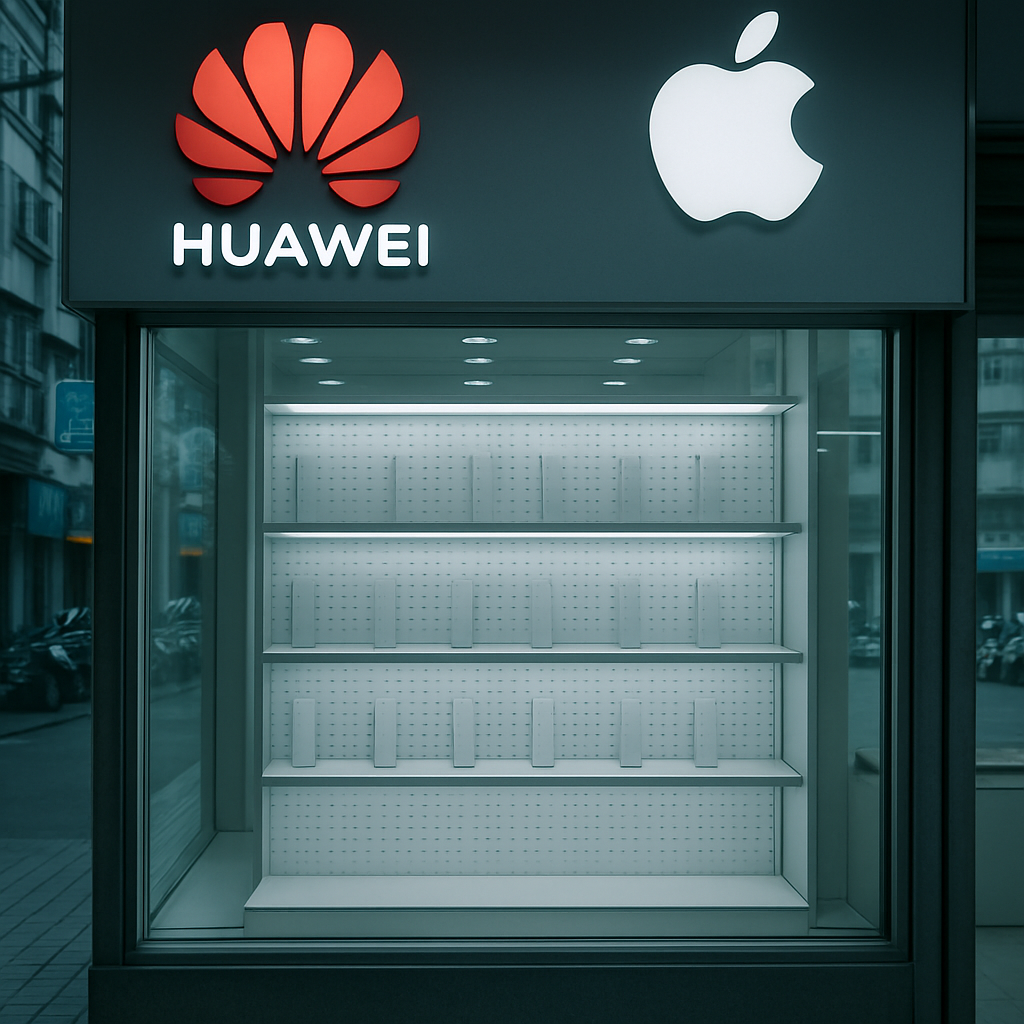
Amid this contraction, Huawei emerged as the sole major brand that posted double-digit year-over-year growth. It shipped approximately 12.2 million devices, boosting its market share to about 21.1%, up from 15.2% in the same quarter last year. Apple followed in second at 17.8% market share—up from 15.8%—despite its own shipment decline of roughly 4.3%. Apple also saw a 15.1% drop from the previous quarter.
Android Brands Weigh Under Pressure
Among the other premier Android manufacturers, all recorded double-digit annual shipping losses. OPPO’s shipments plunged about 17.6%, vivo’s dropped around 24.9%, and Xiaomi fell approximately 20.4% compared to Q3 2025. Honor was the only major brand to post a shipment gain on a quarter-over-quarter basis, signaling a potential rebound.
Smaller names took some of the hardest hits. Wiko’s shipments collapsed by roughly 74% year over year, while ZTE and Samsung also endured steep declines.
IDC cites elevated memory and component costs, coupled with consequent price increases, as key factors. These cost pressures stretch replacement cycles as consumers delay upgrades. IDC expects this dynamic to persist through much of 2027, with little relief in pricing or overall volumes.
Huawei’s performance, the report suggests, is linked to its broad lineup and cautious pricing strategy. Apple, while praised for positive market reception to new models, saw its shipment decline amplified by having fewer device variants this cycle.
For context, these figures come at a time when China’s smartphone sales are hitting their lowest third-quarter levels since around 2013. Earlier quarters in 2026 showed smaller declines, but the drop in Q3 is noticeably steeper.
Analytical angle:The Q3 statistics aren’t just about volume loss—they reveal how cost resilience and product strategy now define winners. Huawei’s ability to deliver variety and absorb price pressures gives it an edge. Apple’s strength lies in premium loyalty, but fewer models may be limiting its reach in a shrinking market. Android rivals with narrower portfolios and aggressive pricing face steep headwinds as buyers push out upgrade cycles. The next few quarters will test whether the premium tier can sustain itself, or whether we’ll see more aggressive consolidation or realignment among brands struggling with margin and supply chain stress.