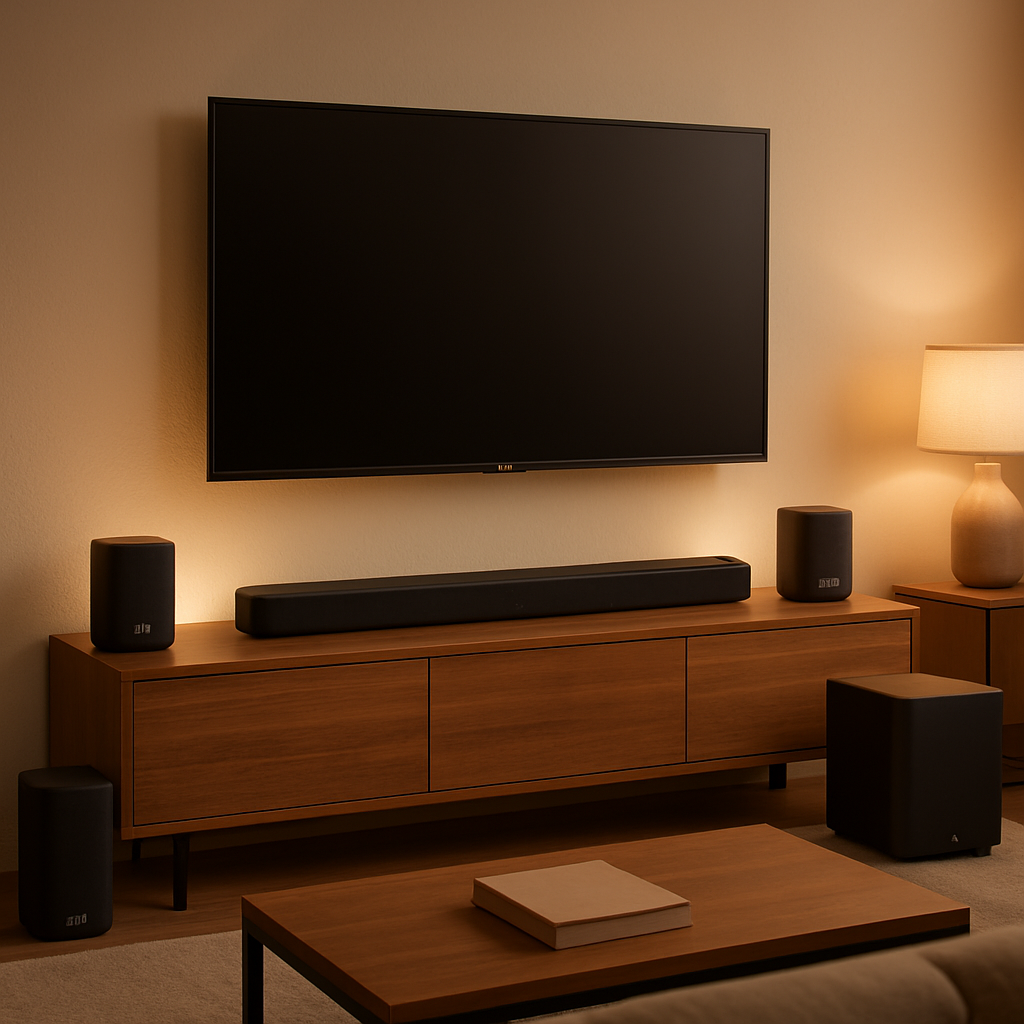
Apple’s newest four-HomePod surround sound setup with Apple TV 4K promises immersive audio, but it’s pricey. Between the required hardware and matching speaker pairs, costs can run between $1,200 and nearly $1,700 for full-size HomePods. For those whose primary goal is surround sound—rather than deep integration into Apple’s ecosystem—there are several superior and much more affordable alternatives. Four wireless rear speakers aren’t always necessary for a solid experience.
What Apple’s system actually costs
The setup mandates a fourth-generation Apple TV 4K, plus four compatible speakers. Two full-size HomePods cost around $698; two HomePod mini 2 units add another $298. Add in the $299 Apple TV 4K and you’re paying at least $1,295 before tax. Four minis come to about $895, while four full-size HomePods push the price toward $1,700. Any alternative under $1,100, or ideally under $800 including the Apple TV, starts to look compelling. Also worth noting: only matching front and rear pairs work, and only full-size HomePods or HomePod minis 2 are supported. The system automatically calibrates timing and levels based on this setup.
Five alternative systems that deliver more value
Here are several surround systems that include proper rear speakers and in many cases height channels or upward-firing speakers—all for significantly less than Apple’s top setup, without sacrificing much in performance.
- LG S80TR: A 5.1.3-channel soundbar with two wireless rear speakers and a subwoofer. It supports Dolby Atmos, DTS:X, HDMI eARC, AirPlay 2, and has upward-firing drivers for overhead effects. Around $599.99, or roughly $898.99 total with the Apple TV 4K.
- JBL Bar 700MK2: This 7.1-channel system includes detachable battery-powered rear speakers (play for up to ~10 hours), a 10-inch wireless subwoofer, and a powerful soundbar. Includes HDMI eARC, AirPlay 2, immersive formats like Dolby Atmos, and onboard sound calibration. Previously $899.95, now discounted to roughly $549.95. Full rig with Apple TV 4K comes in around $849.
- LG S90TR: Offers seven speakers and three height channels—again with wireless rears and a subwoofer. Supports the same immersive formats and streaming standards. With price around $799.99, the bundled system with Apple TV 4K comes to about $1,099.
- Sonos Surround Set with Ray: A more modular setup—Ray soundbar plus two Era 100 speakers for rear channels. Best for smaller rooms, supports AirPlay 2, and includes Sonos’ room tuning tools. Lacks a dedicated subwoofer and Atmos support; connects over optical audio rather than HDMI. The bundle costs about $622 alone, or about $921 with the Apple TV 4K.
- Amazon Fire TV Soundbar Plus: Offers full 5.1 channels with wireless rear speakers and a subwoofer for under $500—$489.99 list. It covers Atmos and DTS:X, includes a center channel and various audio modes. The rears and sub require power outlets; it lacks AirPlay support but has Bluetooth. With Apple TV 4K, it totals around $789.
All these options include physical rear speakers—only their formats, height-effects, and subwoofer design vary. Surround sound from Apple TV travels via HDMI ARC/eARC or optical out, depending on which system. Most of them support AirPlay 2, except the Amazon bar (Bluetooth only).
Weighing HomePods vs alternatives
Apple’s all-HomePod setup offers extra perks beyond surround sound: independent Siri on each speaker, seamless Apple Home integration, and wireless audio control via Apple TV. But unless those are priorities, the value proposition tilts heavily toward third-party systems. They offer similar or better channel counts, immersive audio formats, and more control over layout—often at half or less of Apple’s cost.
For example, owning an Apple TV 4K already makes adding an under-$800 soundbar or 5.1 system a smarter buy than investing in four matching HomePods. And for anyone who doesn’t need Apple Home automation, losing Siri may be a small trade-off.
Bottom line: If your goal is just strong surround sound without breaking the bank, these alternatives are all worthwhile. Let’s be realistic—unless you’re buying into the full Apple smart home plan, a cheaper, well-spec’d system will typically offer more bang for your buck.