In the macOS 27 update, Apple quietly introduced a feature that promises to ease one of the biggest headaches for IT teams: collecting diagnostic logs remotely for AppleCare support cases. Until now, troubleshooting machine issues meant asking users to run sysdiagnose, export logs manually, or physically retrieving the device—time-consuming processes made worse for remote or hybrid teams.
Log Collection Without the Back-and-Forth
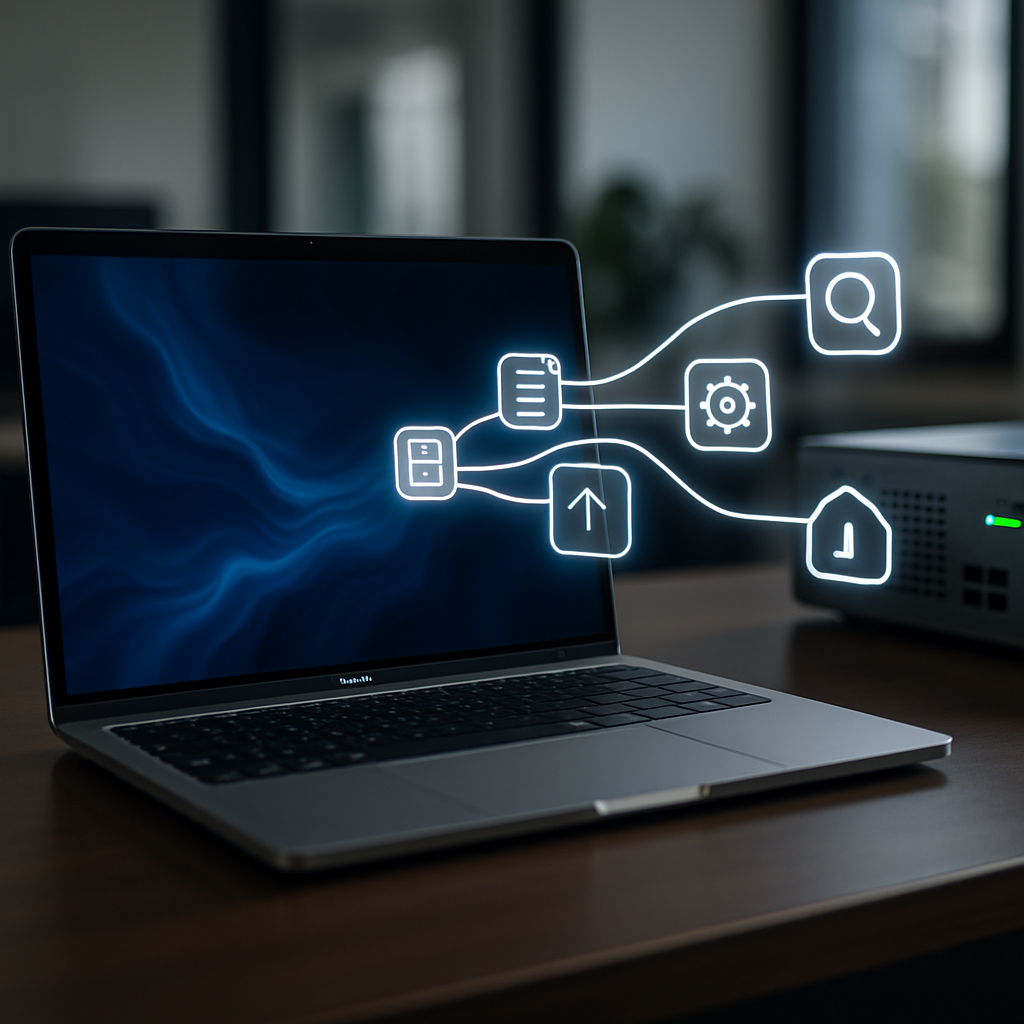
Two new device management commands—TriggerEnhancedLogCollection and its cancel counterpart—change the game. When an AppleCare case starts, Apple issues a token. Admins send that token via their mobile device management (MDM) tool to prompt the affected device to collect logs and upload them directly to Apple, automatically attaching them to the support ticket. Throughout, the MDM and device report statuses like “started,” “in progress,” “waiting on user,” or “finished,” making it clearer when Apple has the data needed to investigate.
Interactive & Non-Interactive Modes—What You Get
The enhanced log collection can operate in either interactive or non-interactive mode, depending on context. On iOS, when a device has no passcode or accounts (e.g. kiosk or point-of-sale use cases), non-interactive mode lets the process run entirely in the background without user interaction. In scenarios like tvOS or Shared iPad setups, non-interactive collection is always available. macOS differs: it forces an interactive mode, prompting the user to consent to both collection and upload. While not hands-free, it’s a major step over previous methods that demanded manual steps and in-depth user guidance.
Remote work, travel, or split-site setups have exposed the flaws of traditional log retrieval. When a device crashes or symptoms manifest late, the system state might have reset by the time support teams obtain logs—making root causes hard to trace. With the new trigger-plus-token approach, admins can send a log request immediately from their console; the device handles the work, and Apple gets the needed information fast.
This new remote log collection is part of Apple’s broader effort in macOS 27 (plus matching updates in iOS, iPadOS, and tvOS) to improve enterprise support capabilities. Enhancements to declarative management play a role too: admins can now see statuses more transparently, helping reduce the visibility gap between users and support teams.
What to note: this new system requires valid AppleCare cases with a token, plus an MDM setup that supports the commands. On macOS devices, users must agree to initiate upload—but the simplified workflow still dramatically cuts down wait times and manual friction.
Signs that this update, while behind the scenes, could become a major quality-of-life win for IT are strong. As remote-first policies endure, tools that streamline diagnostics without burdening end users will matter more than ever. The real test will be in adoption—how quickly MDM vendors implement support, and how consistently the interactive mode plays out in the field. Still, for organizations juggling many Macs and diverse work locations, this update could be a defining improvement.