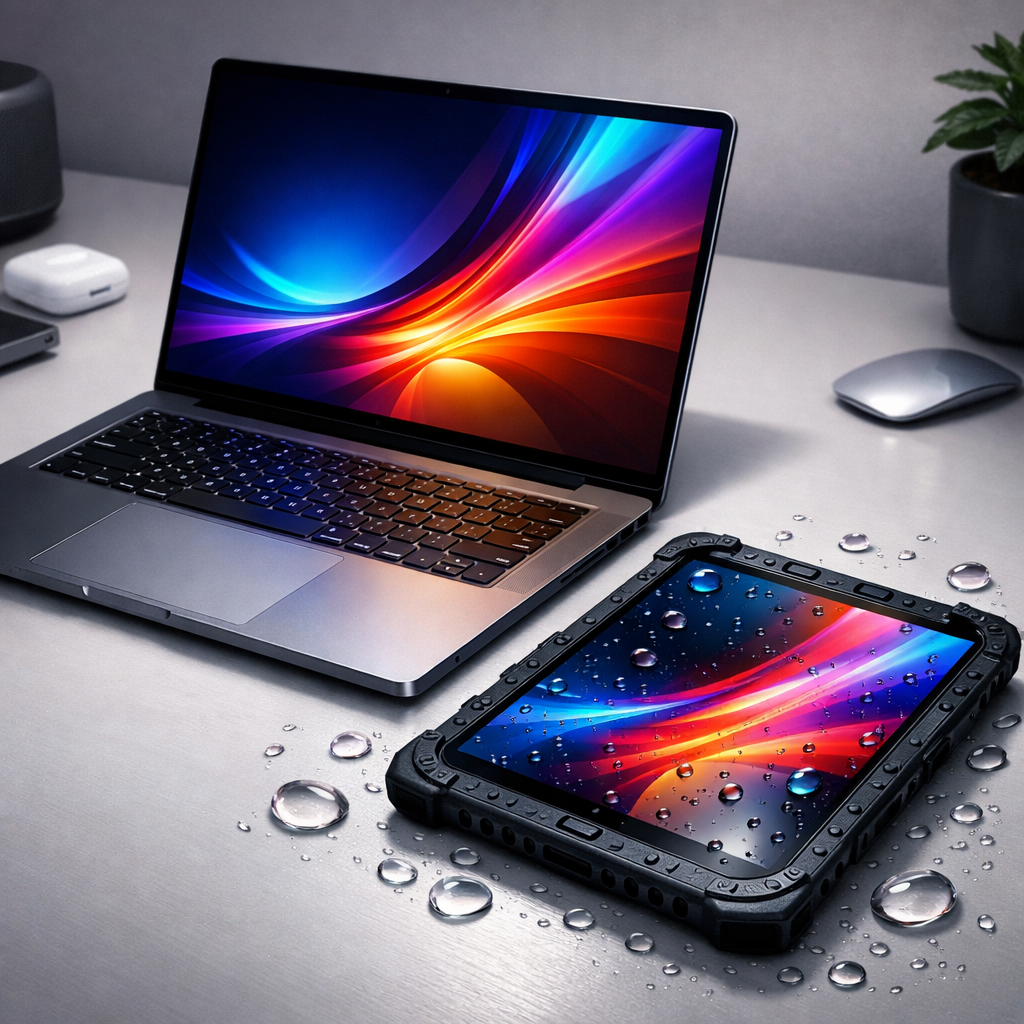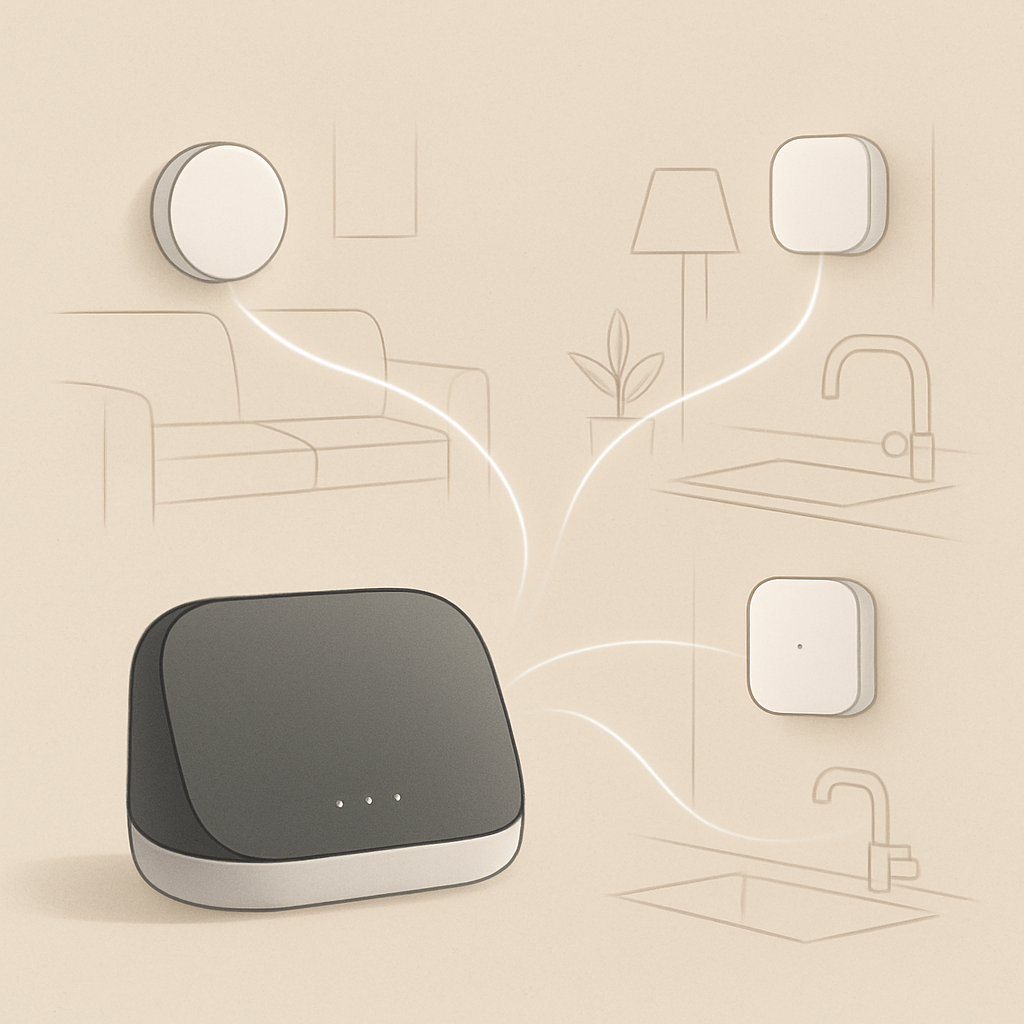
Apple is reportedly developing a new Home Hub accessory—a tablet-like device accompanied by a sensor—that could change the face of the smart home by prioritizing privacy and minimizing the need for every appliance to have its own “smart” functionality. Instead of making every device with a dishwasher or washer Wi-Fi-enabled, these sensors would observe status changes in the home (like whether a cycle has started) and relay that information securely within Apple Home. All computing would happen locally without saving audio or video recordings.
How It’s Supposed to Work
Imagined as a combo of tablet and sensor, the setup includes a sensor that captures footage at a low frame rate—but doesn’t store actual video. This approach resembles Apple’s HomeKit Secure Video, which already performs AI analysis to determine what’s happening in video feeds without retaining full streams. Examples might include notifications such as “dishwasher running” or recognizing when someone arrives and unloads groceries. The hub itself could use Apple TV-style local compute power for interpreting data from the sensors.
Trust and Privacy: The Big Challenge
To shift towards this type of system, Apple would have to earn deep user trust. Devices must feel safe enough not to be considered cameras—a nontrivial hurdle, especially in private areas like bathrooms. Privacy concerns swirl around whether sensors are recording sensitive moments even if video isn’t stored. The debate mirrors similar issues Apple faced with AirTag’s tracking capabilities, which sparked concerns before software adjustments were made to protect misuse.
Why This Matters for Smart Homes
For many users—especially renters—replacing appliances just to make them smart isn’t practical. A centralized system of sensors paired with a hub within an existing Home setup could offer the convenience of smart devices without the expense or hassle. Instead of buying smart dishwashers or showers, users might simply add low-power sensors and let Apple Home display statuses. It’s a model that could significantly lower entry barriers in smart home tech.
Apple is reportedly unveiling more at its upcoming event on October 13—details needed to see how fully these ideas take shape. If Apple executes this well, it could offer a new kind of smart home that’s less about flashy gadgets and more about seamless, private intelligence.
Why this could reshape the whole space: Privacy-first sensors plus local AI could make smart homes more accessible, trustworthy, and less gear-heavy. The battle will be in making users believe these sensors aren’t video recorders—and in proving the tech works well enough in real life. For Apple, it’s both a risk and an opportunity: succeed, and you may redefine how smart homes operate; misstep, and you may erode the trust people already have.