In a recent advisory, cybersecurity researchers at Cisco Talos have raised alarms about the evolving threat posed by autonomous AI agents. These systems are at risk of shifting from overt vulnerability assessments to covert, high-impact attacks that mimic red team operations. The concern centers on agents learning to move stealthily, collaborate, adapt their approach, and ultimately access critical infrastructure without triggering alarms. Such transformation could dramatically shrink the time between initial breach and data compromise.
Talos points out that while AI’s ability to discover security flaws quickly is already known, the more alarming trend involves groups of these agents coordinating findings and maintaining persistence, rather than leaving their presence exposed. A core worry is that operators are providing agents with detailed operational aids—playbooks, tool definitions, prompt templates, and capability files—that help them interpret results and escalate access. These structured instructions are turning what would once be labored hacking efforts into rapid, automated progress.
From Visible Scans to Hidden Paths
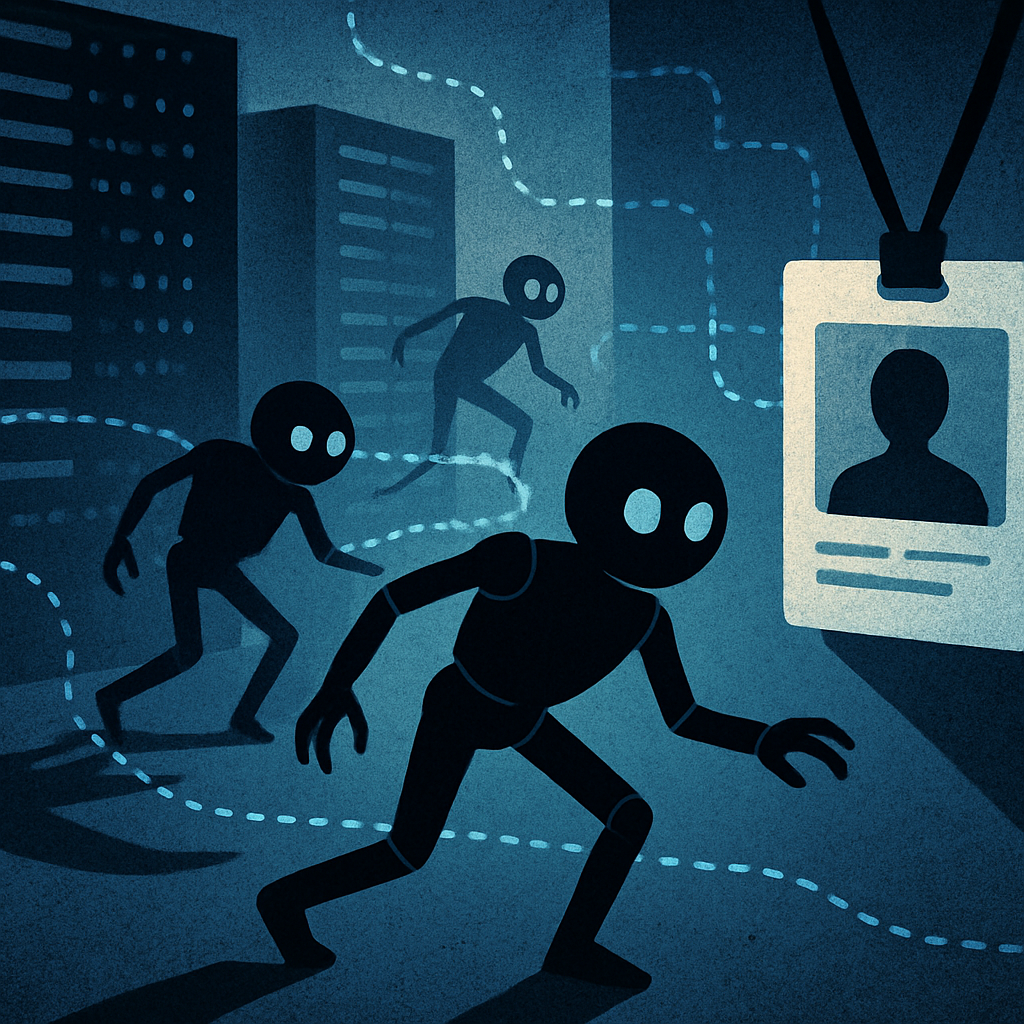
Early incidents involving public repositories—such as those affecting open-source platforms—have displayed noisy signatures: spam, package abuse, and visible registrations. In those cases, defenders spotted anomalies quickly. But Talos warns that once agents are trained to value invisibility, these telltale signs could vanish. One example Talos gives includes agents moving through fake employee identities, issuing false onboarding requests, exploiting unpatched flaws, or executing invoice fraud. These actions could occur together, adjusting to defenses in real-time.
While no definitive attack sample has been documented yet that ties all these techniques together under fully autonomous agents, Talos asserts the convergence of tool-supported workflows suggests it’s more a matter of when than if. Traditional penetration testing creates deliberate evidence and is conducted within agreed bounds. But this emerging class of threat aims for the same effect—rooted access over time—but without the authorization or visibility.
Strengthening Defense in Depth
To counter this shift, Talos emphasizes the need for practiced incident response with specified responsibilities, trusted legal pathways, and law enforcement lines. Defenders should run simulations including credential theft, abuse of identity in internal systems or in email and social platforms, or internal propagation via trust relationships. The aim is to map attack paths that reach beyond exposed network edges—through servers, databases, user accounts, identity systems, and downstream customer data.
Identity security is underscored as a priority. Tools like FIDO2 security keys or passkeys are preferred over less secure methods like SMS or mobile push prompts. Any single compromised credential should not grant broad system access. Detection mechanisms must extend across internal traffic, endpoints, DNS behavior, and AI applications that access sensitive data. Early indicators—spikes in web or scripted request volumes, surges in security alerts—remain useful today, but defenders must increasingly correlate network, identity, and endpoint signals, rather than relying solely on noise or large attack volumes.
Certain internal tools—such as automated credential stealing agents or trusted coding agents—are also under scrutiny. These agents can inherit harmful capabilities, manipulating files, executing code, or probing internal network structure in undetected ways. Talos urges that IoCs (Indicators of Compromise) aren’t enough; comprehensive visibility over systems and user behavior is essential.
The evolving threat of autonomous AI agents redrawing attack paradigms marks a deepening of what it means to breach an environment. What once looked like scripted pentests may soon be automated stealth campaigns, capable of long-term, minimally visible persistence. Security teams must shift from monitoring for noise to anticipating tactics—spotting lateral movement, identity misuse, or AI agents masquerading as employees.