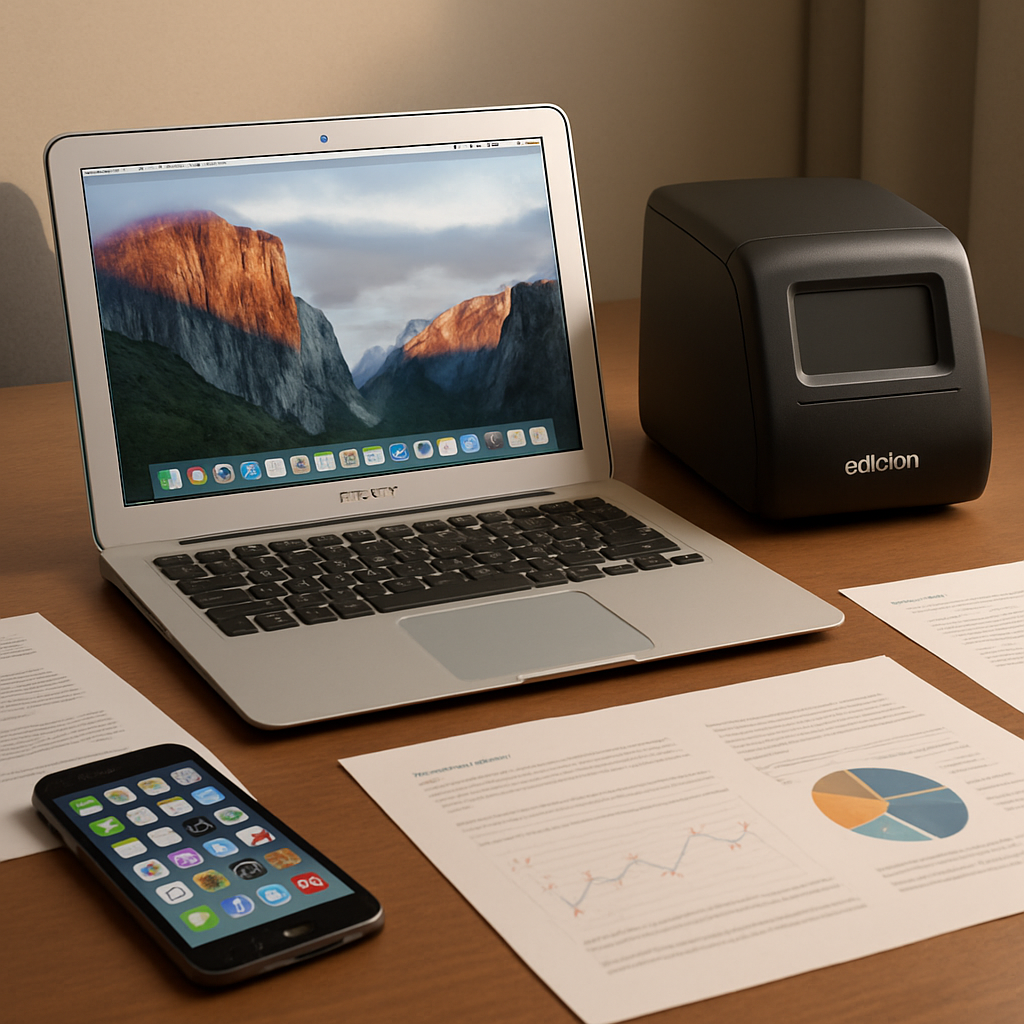
Over 1,000 internal emails, documents, texts, and other exhibits from the United States v. Elizabeth Holmes trial have been turned into a hands-on digital experience. Engineer Bo Lau of Extend built an interactive website that recreates what it might have felt like to be inside Elizabeth Holmes’ office during Theranos’ height.
The simulator, set in 2016, recreates authentic hardware—think MacBook running OS X El Capitan, iPhones with home buttons, and even the Theranos Edison device. Users can click through Holmes’ laptop and mobile screens, scroll real documents, view emails and architectural slide decks, and even operate the Edison machine—all sourced directly from legal exhibits made public during the trial.
More Than Just a Gimmick
While built with tongue partly in cheek, the project serves a clear utility: it transforms a sprawling set of trial documents into something far more browsable than thousands of PDFs scattered across court websites. It’s a way to explore one of the most notorious collapses in biotech without fighting through piles of files.
At the same time, Lau is using the site to promote a watch-party for the upcoming Elizabeth Holmes documentary You Can See Everything, co-organized by Nathan Fielder. The tool also showcases Extend, Lau’s company, which claims to specialize in parsing, extracting, and cleaning highly complex documents. If Navigate-this Holmes simulator is any clue, Extend might be setting a high bar for document workflow tools in the B2B SaaS space.
Why It Resonates
Theranos’ demise has become shorthand for startup hype gone wrong, and the trial revealed grim details about promises made vs. what could actually be delivered. The documents laid bare how internal messaging, slide decks, and failed prototypes lined up—or didn’t—with public statements. These materials have already fueled narrative accounts; this simulator lets people poke around them firsthand.
This kind of immersive archive raises questions about how we consume high-profile legal and corporate drama. Rather than reading summaries or Green-Room recreations, this tool lets you roam Holmes’ desk. It’s not just for the curious or the macabre: for journalists, researchers, and anyone studying tech ethics, regulation, or biotech due diligence, this could be invaluable.
What it means: This project exemplifies how documentary evidence can be reimagined into interactive media, making dense trial transcripts and exhibits accessible. It also underscores a growing demand for tools that turn data and documents into more intuitive experiences. The Holmes desk simulator isn’t just entertainment—it could reshape expectations for how legal and corporate histories are presented and consumed.