On September 1, John Ternus officially took the reins as Apple’s CEO, stepping into shoes shaped by Tim Cook—Cook remains executive chairman. The timing, just ahead of Apple’s debut of the iPhone Duo, was intentional. During a recent interview at Apple’s U.K. headquarters, Cook reflected on the transition and the strategies that drove its timing and approach.
The Vision Behind the Transition
Cook revealed that planning for John’s ascent didn’t begin overnight—it was a multi-year process aimed at ensuring the shift would serve Apple’s best interests. He emphasized that the goal was a model transition; one that sets a standard others could learn from. The idea was to let Ternus build momentum—not in isolation but riding on a product cycle that would make an immediate impact.
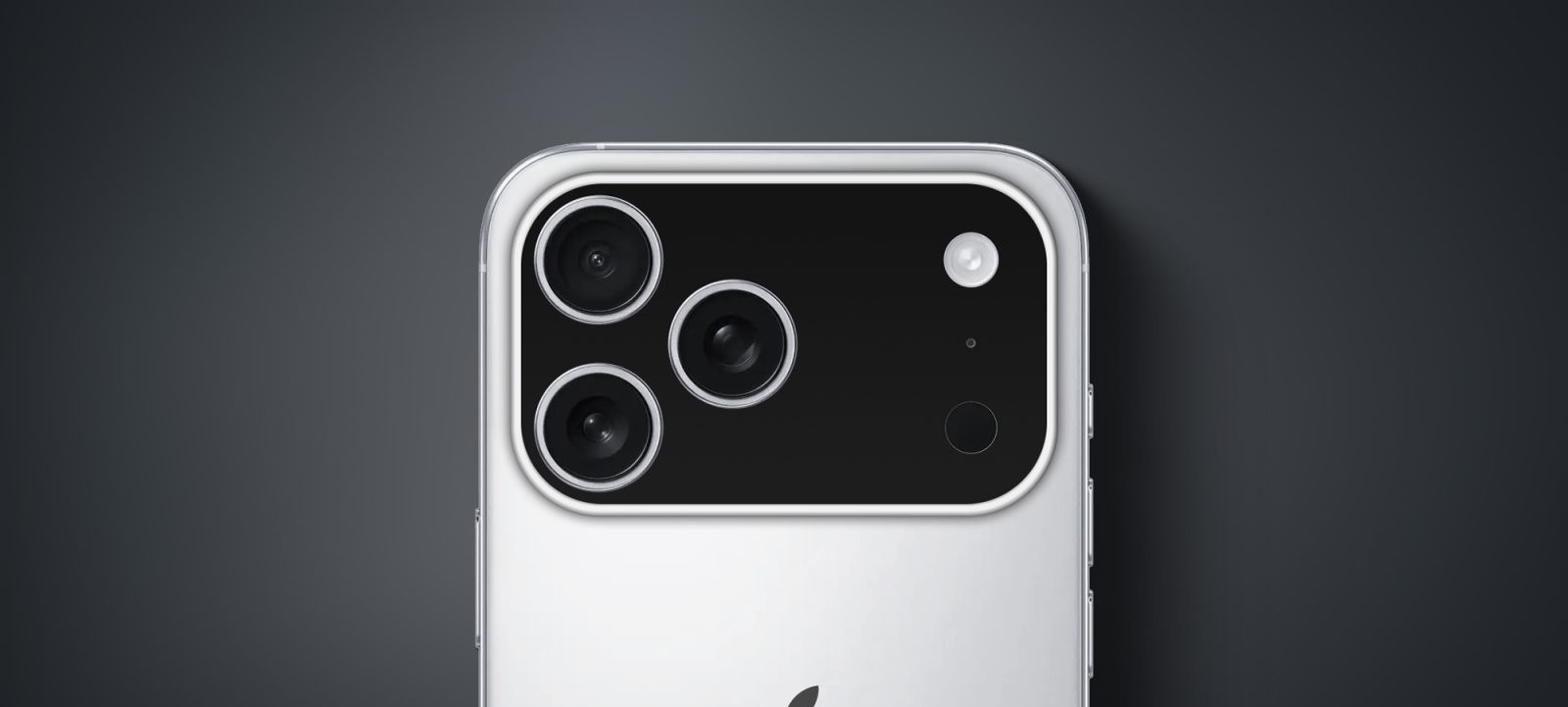
He chose September 1 because it aligned with the big product roadmap. Just eight days later, the iPhone Duo was unveiled—a move meant to give Ternus visible momentum the moment he stepped into his new role. Cook said the upcoming cycle felt “unbelievably great,” suggesting that iPhone Duo’s arrival could anchor confidence around the change in leadership and set a tone for what’s coming.
Advice for the New Leader
Taking over from Cook meant filling major shoes. But Cook insisted the old formulas—like mimicking what he or Steve Jobs did—wouldn’t work for Ternus. Instead, he encouraged his successor to make the role his own and focus efforts where he could contribute most. Cook drew parallels with his own relationship with Jobs: that advice to define a unique version of leadership isn’t new, but necessary. Apple’s strengths, he implied, lie in aligning those individual strengths with the company’s overarching goals.
Cook also touched on other recent Apple developments, including a creative education program with The King’s Trust in the U.K., designed to help young creators establish careers in the creative industries. He said it was important not only to contribute resources, but to share Apple’s creative culture through mentorship.
Another highlight: the new Apple Music Hall within Apple’s Battersea building. Cook described it as “uniquely Apple,” stressing its meticulous design around spatial audio and performance. Whether for rising stars or established artists, the space is meant to be emblematic of Apple’s attention to detail—and its dedication to live performance.
This leadership handoff comes at a pivotal time for Apple. Ternus inherits not just a title, but expectations: sustaining innovation, steering the iPhone Duo through its launch, and continuing development in hardware engineering where he has long held expertise. Cook’s message is clear: the success of this transition depends less on replicating his path than it does on seizing forward momentum.
What this means: Apple’s leadership evolution—Cook’s move to executive chairman and Ternus stepping in as CEO—was far from reactive. It was carefully synchronized with product cycles that will define Apple’s near future, especially the iPhone Duo. With advice to be original rather than derivative, and with an infrastructure in place that values craftsmanship, design, and product momentum, Apple is signaling a shift that honors its past without being bound by it. The real story now is whether Ternus can sustain this alignment, delivering on both expectations and the strategic vision Cook has laid out.