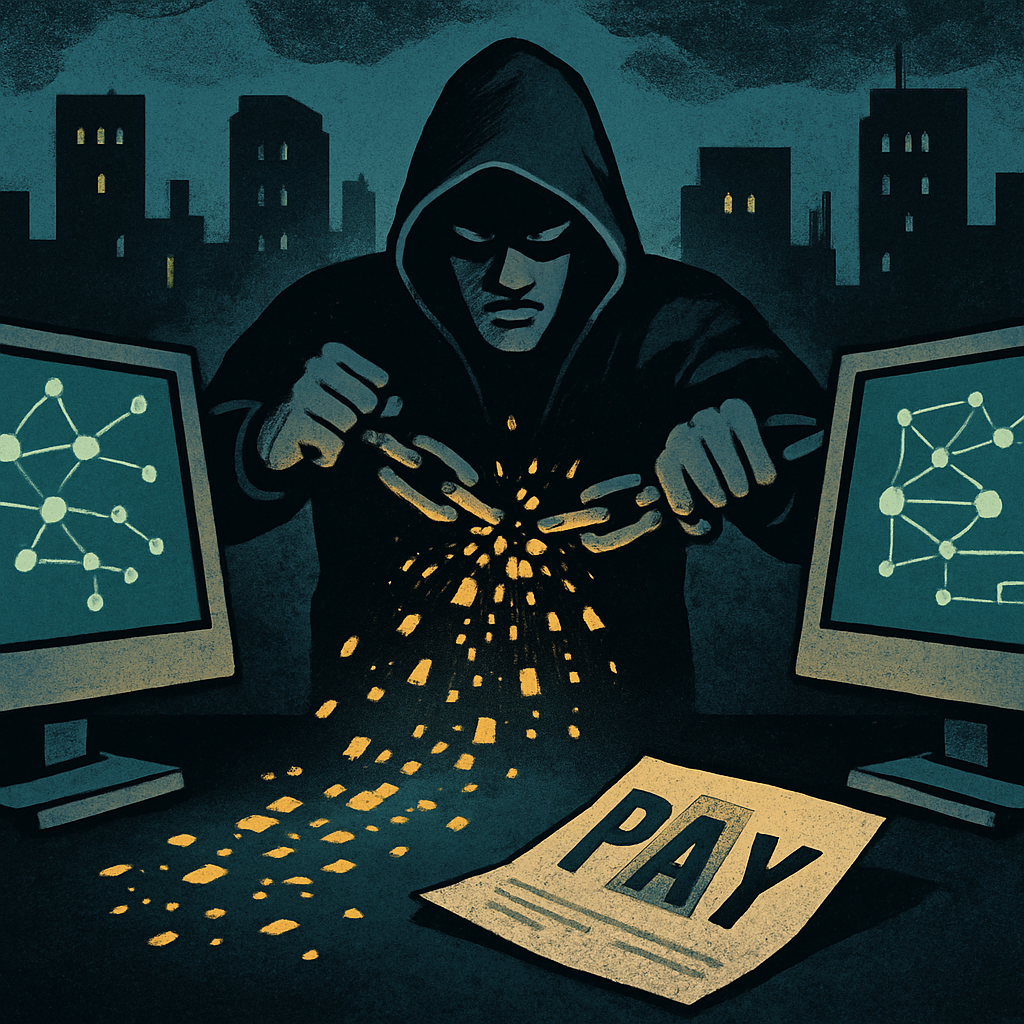
In a startling turn of events among ransomware affiliates, an individual known as “Azazel” broke both the law and gang protocols by stealing from victims and evading their own ransomware organization. The case has sent ripples through the criminal ecosystem, highlighting how internal dissent can destabilize even illicit networks.
What happened
Azazel, operating under the Banner of the Gentlemen ransomware collective, allegedly hacked two dozen victims across six countries. Rather than funnel stolen data and extortion payments through the standard channels of the group, the affiliate launched their own independent leak site called Leakned. There, victim data was published and extortion proceeds were collected—all without involving the parent ransomware operation.
This double betrayal—a betrayal of the ransomware syndicate plus a violation against the very people the affiliate victimized—marks a rare instance of intra-criminal conflict. Typically, ransomware-as-a-service (RaaS) affiliates are bound by contract, distributed profits, and shared promotional responsibilities. Azazel did away with all of that.
Why this matters
First, the incident exposes fractures within the dark underworld of cybercrime. Affiliates are trusted to execute payloads, steal data, and manage extortion. When one acts independently, it creates mistrust—collaborations can break down and operations can splinter.
Second, the move exposes victims to even greater risk. With an affiliate bypassing the parent gang’s infrastructure, tracking and holding parties accountable becomes harder. Money trails cloud, identities of perpetrators blur, and remediation becomes messier.
Broader context
RaaS models have long relied on a simple binary: affiliates deliver; operators manage infrastructure and brand. But Azazel’s revolt reveals the potential for deviations. Previous cases have shown affiliates leaking data ahead of ransom collection, but usually in coordination or under oversight. Azazel’s solo leap shows how decentralized and volatile this ecosystem can be.
This betrayal joins a series of recent stories showcasing sloppy security—not just among victims, but among attackers themselves. Exposed post-exploitation tooling on live servers, weak session cookie designs, and malicious developer package compromises illustrate both the sophistication and the recurring oversights within cyberthreat tactics.
Azazel’s actions also suggest that motivations for such internal ruptures often center not only on greed but on control: brand, revenue, and prominence. By using their own leak platform, this affiliate asserted independence, creating potential competition with the ransomware gang both financially and reputationally.
Looking ahead, defenders and law enforcement should watch for ripple effects: higher tension between RaaS actors might lead to more betrayals, internal leaks, or splinter groups. This flux can offer windows for disruption—but also portends more unpredictable attacks, as actors shift into freelance or rogue modes.