Tensorlake, a TypeScript SDK for applications, sandboxes, and cloud services under the Tensorlake umbrella, was recently found to be compromised in a supply chain attack linked to the Shai-Hulud / ChainDrop malware cluster. The breach surfaced with the release of version 0.5.144, which was later removed from the npm registry once the issue was uncovered.
What Went Wrong
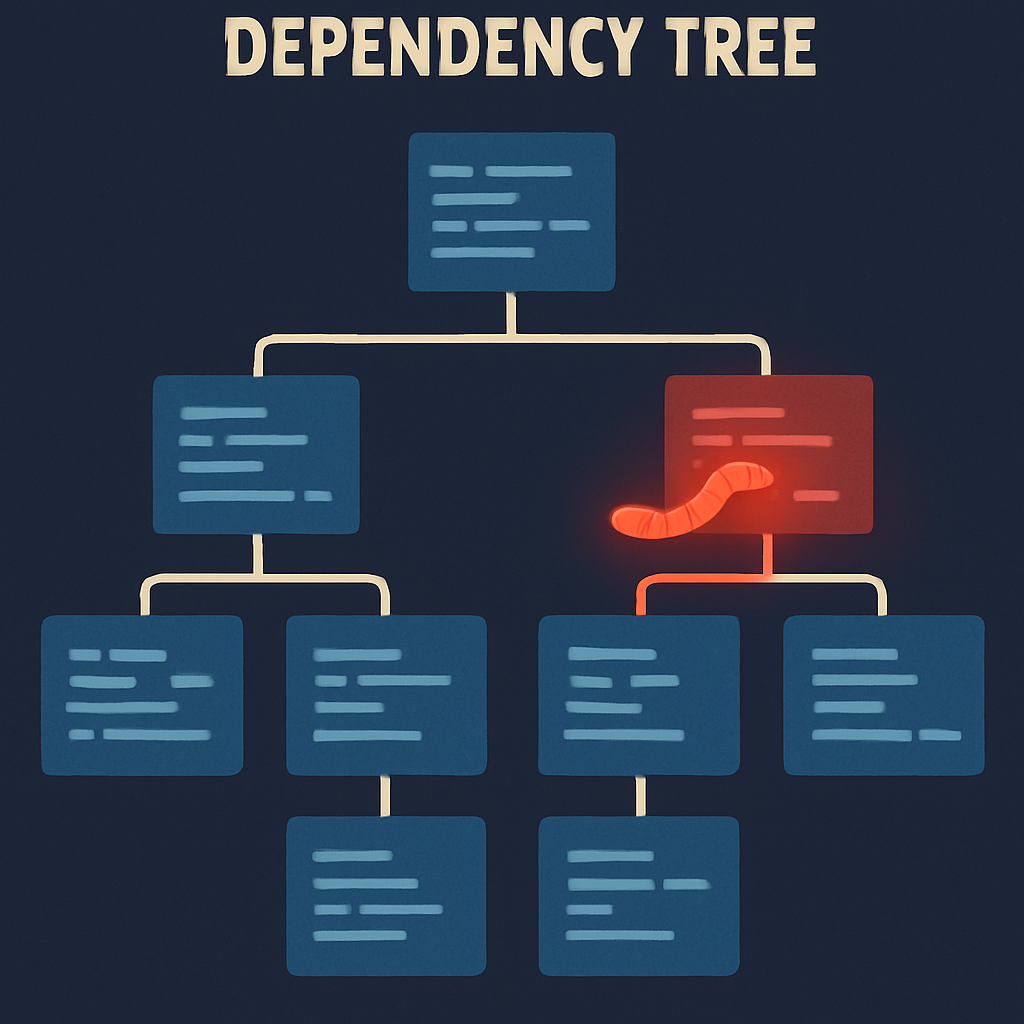
The malicious version 0.5.144 embeds obfuscated malware that executes a multi-stage attack. First, a preinstall hook ships a script called setup.mjs, while an obfuscated loader triggers a self-propagating credential-stealing worm (“Math_Symbol.js”) via the Bun runtime. This payload is engineered to harvest secrets from a wide range of sources: local files, CI/CD pipelines, Kubernetes, HashiCorp Vault, SSH keys and even .env files. It also drops a binary called HackBrowserData, exfiltrates collected credentials, maintains persistence, and executes code fetched from remote sources.
A deeper look reveals additional danger: settings files for Claude agents and VS Code are planted in repos it can access, meaning the worm reactivates when projects are reopened in those environments. It also enumerates packages associated with the victim’s npm account, fabricates Sigstore provenance data, and republishes compromised versions—all under the guise of legitimate package updates.
Command & Control and Risk Escalation
The malware uses an Ethereum smart contract to resolve its command-and-control (C2) endpoint. If that fails, GitHub acts as a fallback host for staging encrypted stolen data in a public repo labeled “Shai-Hulud: Here We Go Again.” Moreover, there’s a “hostage token” component: it monitors a stolen GitHub token, and if revoked, executes attacker-supplied PowerShell code—potentially destructive—via an Invoke-Expression call.
Investigators traced the first rogue commit to October 7, 2026, at 01:20 UTC, when malicious code was pushed to the main branch of the Tensorlake repository under the name of a maintainer. The following day, the release workflow published version 0.5.144 to npm. Once the compromised package was live, users who installed it were put at risk of full credential exposure and persistent backdoor installation.
This isn’t the first time ChainDrop has been involved in such attacks. Earlier waves in August 2026 saw hundreds of npm packages, including Keyv and Cacheable, hit by similar Mini Shai-Hulud worms. The latest incident underlines a trend: threat actors are increasingly targeting tools and infrastructure that support AI agents and cloud services.
If you used Tensorlake recently, particularly version 0.5.144, you should uninstall it immediately, rotate all credentials and tokens, and assume any secrets accessible to the process may have been compromised.
The rise of these attacks solidifies a harsh reality in modern development environments: trust in open-source dependencies is precarious. As AI agents and cloud orchestration tools become more integrated into enterprise workflows, attackers are moving toward supply chain vectors to stealthily harvest vaults of credentials. What to watch next: stronger vetting of package ownership, more stringent provenance tools like Sigstore, and ecosystem-wide alerts for malicious agent and SDK vulnerabilities.